
Eve Babitz Books in Order
Browse Eve Babitz books in order, with quick summaries, reading guidance, and background on her Los Angeles writing, from early classics to later collections.
Last updated:
As an Amazon Associate, we earn from qualifying purchases (at no extra cost to you).
Eve Babitz books in publication order
9 books
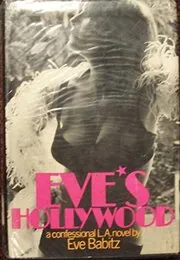
Eve's Hollywood
by Eve Babitz
1974
In linked vignettes and memoir-like essays, Babitz maps her Los Angeles, from Hollywood High to the Chateau Marmont. The book mixes gossip, hunger, beauty, and heartbreak into a vivid portrait of the city she knew best.
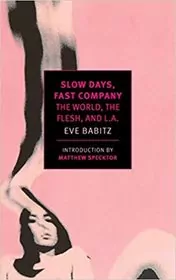
Slow Days, Fast Company
by Eve Babitz
1977
Across ten loose, sun-soaked pieces, Babitz wanders through 1970s Southern California, from Hollywood parties to Palm Springs weekends. The result is part love letter, part social sketchbook, and all about the mood of the place.
Recommended by
1 person Tavi Gevinson recommended this book
Tavi Gevinson
"She understands how fame can seem like a catch-all solution to feeling unloved, much like Prince Charming, much like God." - Tavi Gevinson
Tavi Gevinson's recommendation of this book
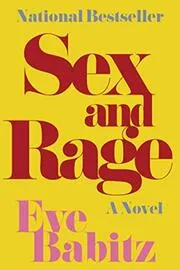
Sex & Rage
by Eve Babitz
1979
Jacaranda Leven drifts through Los Angeles glamour, bad choices, and an on-again relationship before heading to New York to try writing and work. It’s a hazy, sharp coming-of-age novel about pleasure, aimlessness, and self-definition.
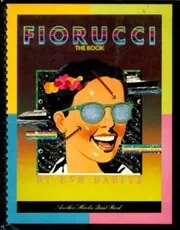
Fiorucci, The Book
by Eve Babitz
1980
Babitz takes on the Fiorucci phenomenon in a playful, image-rich exploration of late 1970s fashion culture. Part survey, part insider riff, it captures the brand’s flash, style, and pop energy.
L.A. Woman
by Eve Babitz
1982
Through Sophie, a young Jim Morrison groupie, and Lola, a glamorous German emigre from old Hollywood, Babitz tracks two eras of Los Angeles life. Their stories turn the city itself into the real lead.

Black Swans
by Eve Babitz
1993
These nine stories look back on Los Angeles in the 1980s and early 1990s, with more middle-aged weariness than Babitz’s earlier work. Love affairs, sobriety, dance lessons, and changing scenes give the book its bite.
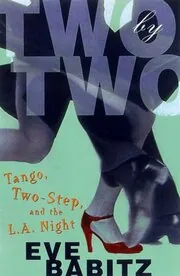
Two By Two
by Eve Babitz
1999
Babitz spends two years roaming Los Angeles dance floors, learning tango, swing, salsa, and more while sketching teachers, clubs, and dance obsessives. It’s a lively memoir of movement, flirtation, and the city after dark.
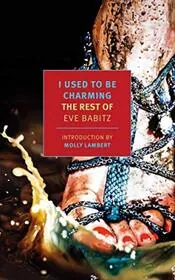
I Used to Be Charming
by Eve Babitz
2019
This collection brings together Babitz’s essays, profiles, reviews, and travel pieces from 1975 to 1997. It also includes her long Fiorucci piece and the title essay about the burn accident that changed her life.

Too L.A.: Letters Never Sent
by Eve Babitz
2026
This posthumous collection gathers Babitz’s frank, funny letters to friends, lovers, and fellow artists. Read together, they feel like an alternate autobiography, full of Los Angeles scenes, sharp opinions, and the voice that made her books so alive.
Where to start with Eve Babitz
If you want the classic entry point: Eve's Hollywood → Slow Days, Fast Company
If you want dreamy Los Angeles fiction: Sex & Rage → L.A. Woman → Black Swans
If you want essays and journalism: I Used to Be Charming → Too L.A.: Letters Never Sent
If you want fashion and nightlife nonfiction: Fiorucci, The Book → Two By Two
Eve Babitz collections, short stories, and related book types
Collections
Non-Fiction
Standalone Eve Babitz books
Author bio
Eve Babitz was born in Hollywood, California, on May 13, 1943, and grew up in Los Angeles in a family where music, art, and conversation were part of daily life. Her father, Sol Babitz, was a violinist and musicologist. Her mother, Mae Babitz, was an artist. Igor Stravinsky was her godfather, and the house was full of musicians, writers, and friends from the city’s bohemian circles. She attended Hollywood High, later spent some time at Los Angeles City College, and kept Los Angeles at the center of her imagination for the rest of her life.
Los Angeles was never just a backdrop for her.
Before she was known as an author, Babitz worked as an artist and moved easily through the city’s music and art scenes. In the late 1960s she designed album covers for acts including Buffalo Springfield, the Byrds, and Linda Ronstadt. She also became part of California lore through the famous photograph of her playing chess nude with Marcel Duchamp. In 1972, after years around musicians, painters, and magazines, she started writing seriously.
Her first book, Eve's Hollywood, arrived in 1974 and made clear that she was not interested in a neat, official memoir. Instead she wrote in vivid scenes, half social history, half personal myth, always alert to beauty, appetite, boredom, class, and weather. She liked forms that let fact and fiction lean against each other. The book moves through Hollywood High, family memories, parties, crushes, meals, and street corners, and readers still love how alive it feels. Even when she sounds casual, she is paying close attention.
Then came Slow Days, Fast Company, one of the books that best shows what she could do. In ten loose, sunlit sketches, she writes about movie stars, bad romances, Palm Springs weekends, Orange County, and long afternoons in Southern California. Readers often come to Babitz for the pleasure of the voice, but they stay because she can make a dinner, a drive, or a passing conversation say something real about a whole city.
She cared about glamour, but she was never only writing about glamour.
Her fiction kept playing with drift, desire, and reinvention. Sex & Rage follows Jacaranda, a dreamy young woman moving between Los Angeles and New York, trying to turn aimlessness into a life. L.A. Woman braids together Sophie and Lola, women from different eras, to show how the city changes and stays itself at the same time. Later, Black Swans brought a slightly older, tougher perspective, with stories about love affairs, sobriety, dance, and the quiet panic that comes with time passing.
Babitz was also a working journalist for years. She wrote for magazines and newspapers including Rolling Stone, Vogue, Esquire, and Ms. Her pieces ranged from celebrity profiles to reflections on health crazes, friends, lovers, and the local rituals of eating, dressing, and going out. That side of her shows up in I Used to Be Charming, a collection of essays and profiles, and in books like Fiorucci, The Book and Two By Two, which turn fashion and nightlife into something close to social reporting.
A fire in 1997 left her with severe burns and changed her life. After that, she lived much more privately. In the last part of her life, her books were reissued and found a new generation of readers.
She died in Los Angeles on December 17, 2021. What lasts is the way her books make the city feel specific and inhabited, full of sunlight, hunger, style, foolishness, luck, and people trying to invent themselves before the night runs out.



Edited by
Software engineer whose passion for tracking book recommendations from podcasts inspired the creation of MRB.
Lead investor at 3one4 Capital whose startup expertise and love for books helped shape MRB and its growth.
Comments
Did we miss something? Have feedback?
Help us improve this page by sharing your thoughts