
Erskine Caldwell Books in Order
Find Erskine Caldwell books in order, with short summaries and guides to the author's series that help you choose where to start and what to read next.
Last updated: 41 new books added
As an Amazon Associate, we earn from qualifying purchases (at no extra cost to you).
Erskine Caldwell books in publication order
41 books
The Bastard
by Erskine Caldwell
1929
Gene Morgan grows up on society’s margins, the son of a prostitute and an unknown father. Violence follows him through drifting journeys and precarious jobs, until falling in love offers an uncertain possibility of changing his life.
Tobacco Road
by Erskine Caldwell
1932
The impoverished Lester family struggles to survive as the Great Depression destroys the support around them. Their life as Georgia sharecroppers becomes increasingly fractured, revealing the effects of deprivation, social violence, and desperation on people already living at the margins.
God's Little Acre
by Erskine Caldwell
1933
Poor farmer Ty Ty Walden tears apart his land searching for gold he believes will rescue his family. His children pursue their own hopes through money, desire, and violence, exposing the destructive fantasies sustaining their Depression-era Southern household.
Journeyman
by Erskine Caldwell
1935
An itinerant preacher arrives in a Georgia community and quickly exploits its residents’ weaknesses. As Semon Dye gambles, drinks, and manipulates those around him, a turbulent revival exposes the uneasy relationship between religious fervor, hypocrisy, and human desire.
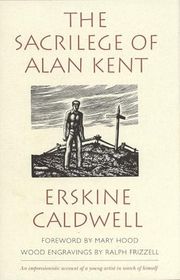
The Sacrilege of Alan Kent
by Erskine Caldwell
1936
Through a sequence of brief episodes, Alan Kent grows from childhood into a wandering young man and eventually an artist. His struggle against a harsh, indifferent world forms a fragmented, partly autobiographical exploration of experience and creative identity.
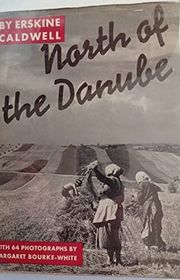
North Of The Danube
by Erskine Caldwell
1939
Caldwell’s account of life in Czechoslovakia before the Nazi invasion accompanies Margaret Bourke-White’s photographs. Their collaboration portrays people in Bohemia, Moravia, Slovakia and Ruthenia, recording everyday circumstances during a period of increasing political danger.
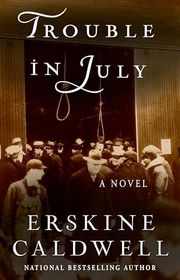
Trouble in July
by Erskine Caldwell
1940
A false accusation against a Black man ignites mob violence in a Southern county. Following those who participate, those who watch, and the endangered victim, the novel examines racism, collective responsibility, and a justice system unwilling to protect the innocent.
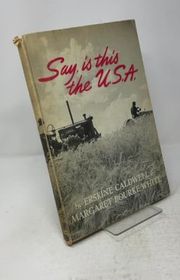
Say, Is This the U.S.A
by Erskine Caldwell
1941
Caldwell’s text and Margaret Bourke-White’s photographs present a portrait of American life in the years after the Depression. Their documentary collaboration brings ordinary people and their surroundings into view through paired written observations and images.
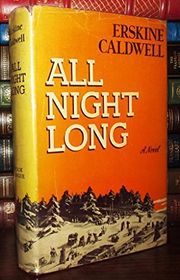
All Night Long
by Erskine Caldwell
1942
Russian guerrillas fight along the central front between White Russia and Great Russia during wartime. The novel follows their struggle against the enemy, depicting a conflict fought outside conventional formations and the harsh circumstances confronting those who continue resisting.
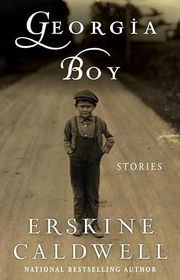
Georgia Boy
by Erskine Caldwell
1943
Young William Stroop narrates fourteen linked stories about his struggling Southern family. His father’s schemes, his mother’s efforts to hold the household together, and their relationships with neighbors and a farmhand reveal the humor and hardship of rural life.
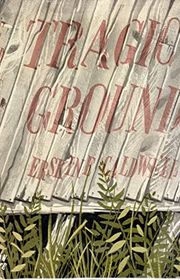
Tragic Ground
by Erskine Caldwell
1944
After wartime employment disappears, Spence Douthit and his family remain stranded in a settlement beside a closed industrial plant. His longing for home competes with inertia, while his daughter Libby struggles to reach beyond the poverty surrounding them.
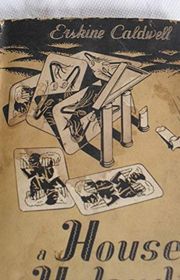
A House in the Uplands
by Erskine Caldwell
1946
Grady and Lucyanne Dunbar’s marriage deteriorates alongside their Southern household’s declining fortunes. Drinking, gambling and Grady’s relationship with a young Black woman bring personal conflicts into collision with the racial and economic hierarchies sustaining their way of life.

The Sure Hand of God
by Erskine Caldwell
1947
Molly Bowser is determined that her daughter Lily will secure the respectable, financially stable marriage she herself lacks. Her relentless search for a suitable man becomes a campaign shaped by maternal ambition, desire, and the fear of repeating her own disappointments.
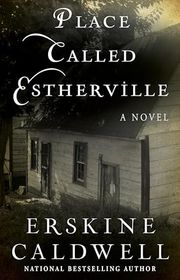
Place Called Estherville
by Erskine Caldwell
1949
Siblings Ganus and Kathyanne arrive in a Southern town hoping to find work and begin again. Their mixed-race identities expose them to brutality and prejudice, turning the search for ordinary security into a confrontation with the community’s entrenched racism.
Episode in Palmetto
by Erskine Caldwell
1950
A young schoolteacher’s arrival unsettles the small Southern town of Palmetto. As men compete for her attention, she must navigate a community whose desires, prejudices and limited choices threaten to determine the course of her life.
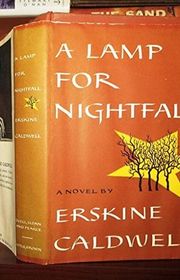
A Lamp for Nightfall
by Erskine Caldwell
1952
Maine farmer Thede Emerson is determined to keep his family’s homestead alive as neighbouring farms disappear. His harshness and obsession with preserving the property instead alienate his children, whose unhappiness draws them into a dangerous emotional dependence.
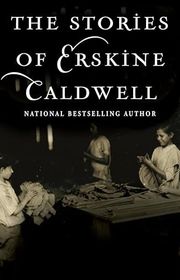
The Stories of Erskine Caldwell
by Erskine Caldwell
1953
Nearly one hundred stories portray lives shaped by poverty, prejudice, desire, and social change in the American South. Erskine Caldwell combines biting satire with intimate portraits of people confronting hardship, exposing cruelty alongside moments of humor and hope.
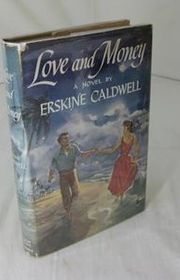
Love and Money
by Erskine Caldwell
1954
A successful writer becomes involved with a beautiful woman whose restlessness disrupts his carefully established life. As his desire for her takes increasing precedence, the relationship threatens the career on which his prosperity and sense of accomplishment depend.
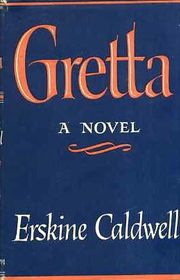
Gretta
by Erskine Caldwell
1955
Gretta longs for the security and affection of marriage, but finds herself repeatedly drawn into relationships with other men. Her conflicting desires undermine the happiness she seeks and expose the painful distance between emotional need and self-destructive behaviour.
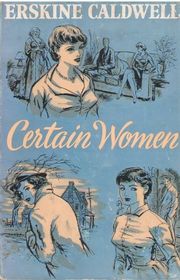
Certain Women
by Erskine Caldwell
1957
Seven women in the Southern town of Claremore navigate desire, marriage, and precarious relationships. Among them is Vicki, a former prostitute whose new life with a filling-station owner is threatened by a persistent admirer from her past.
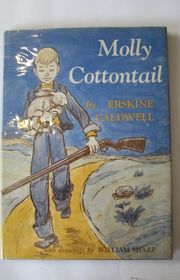
Molly Cottontail
by Erskine Caldwell
1959
Johnny prefers catching rabbits and squirrels to killing them like other boys do. This children’s book follows a youngster whose interest in wild animals is centered on keeping them as pets.
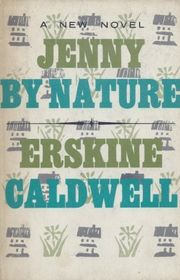
Jenny by Nature
by Erskine Caldwell
1961
Jenny embraces love and life despite scandal and personal tragedy. Following a woman whose generosity of feeling continues beyond retirement, the novel explores her resilience and determination to remain open to experience rather than surrender to hardship or disapproval.
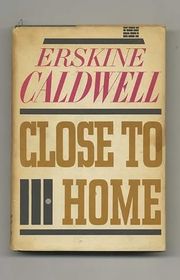
Close To Home
by Erskine Caldwell
1962
Native Hunnicutt marries a wealthy widow for comfort while continuing his secret relationship with her Black maid. When the affair is discovered, private jealousy draws on the racial prejudice and unequal justice governing their Southern town.

The Last Night of Summer
by Erskine Caldwell
1963
On a stifling Louisiana evening, Brooks Ingraham arranges a secret meeting with his young secretary instead of going home to his wife. What begins as a chance for affection draws several lives toward violence as thunderstorms gather.
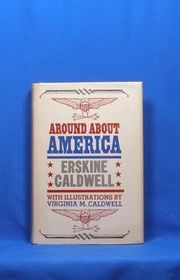
Around About America
by Erskine Caldwell
1964
Travelling across the United States with his wife, Caldwell records encounters with people and places beyond the major cities. His observations combine regional customs and everyday eccentricities with reflections on poverty, racial tensions and the country’s changing character.

The Deer at Our House
by Erskine Caldwell
1966
While Tommy and Vivi play outside, a curious fawn emerges from the woods and wanders into their mother’s flower garden. Their unexpected visitor becomes part of a story about considerate behaviour and learning to live alongside others.

Miss Mamma Aimee
by Erskine Caldwell
1967
A recently widowed mother brings a visiting evangelist into her household and encourages her daughters to seduce him. When their attempts fail, her own intervention exposes suppressed desires and turns the family’s volatile relationships toward increasingly disturbing conflict.
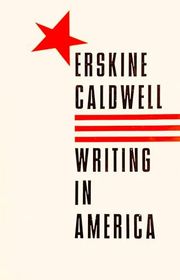
Writing in America
by Erskine Caldwell
1967
Caldwell reflects on the craft of writing in this collection of essays. His observations include the place of censorship in American life and the distinctions he draws between obscenity, social convention, and pornography in literature.
Summertime Island
by Erskine Caldwell
1968
Visiting his uncle Guthrie in Tennessee, young Steve joins a fishing trip with racist neighbor Troy and Black schoolteacher Duke. What promises to be an idyllic island excursion becomes an encounter with prejudice, brutality, and uncomfortable lessons.
The Weather Shelter
by Erskine Caldwell
1969
Pony breeder Grover Danford secretly watches over the son whom Tennessee’s racial laws prevented him from acknowledging. When the boy becomes entangled in a scandal involving a white woman, Grover must confront dangers rooted in the town’s prejudices.
The Earnshaw Neighbourhood
by Erskine Caldwell
1971
Newly widowed Medora remarries after only seven weeks, provoking outrage and gossip in her community. Rumors that she secured her new husband with extravagant gifts expose the neighbors’ judgments about money, mourning, desire, and a woman’s freedom to begin again.
Annette
by Erskine Caldwell
1973
Annette hopes marriage to her childhood sweetheart will provide the love and security missing from her family life. As loss and a second marriage unsettle her, childhood fears return and intensify her longing to escape.
Afternoons in Mid-America
by Erskine Caldwell
1976
Erskine Caldwell travels through the American Midwest, following a childhood fascination with the country west of the Mississippi. Encounters from Arkansas to the Dakotas and Oklahoma explore local voices, everyday lives, and the relationship between observation and folklore.
Erskine Caldwell
by Erskine Caldwell
1999
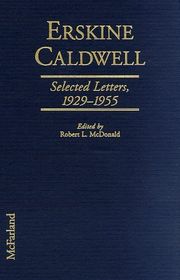
More than 150 letters, notes, telegrams and postcards trace Caldwell’s life during the height of his literary career. Annotated correspondence illuminates his relationships with editors and fellow writers, his ambitions and the controversies surrounding his work.
Call It Experience
by Erskine Caldwell
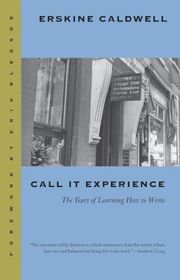
Erskine Caldwell recalls his first thirty years as a writer, including odd jobs, travel, rejection, and the search for his own voice. Encounters with editors and fellow authors illuminate the working habits and determination behind his fiction.
Deep South
by Erskine Caldwell
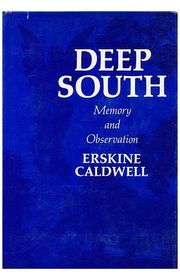
Drawing on childhood travels with his minister father, Erskine Caldwell returns to the South to examine its religious life. Memories, interviews, and observations reveal how faith and tradition respond to the social upheavals of the 1960s.
Gulf Coast Stories
by Erskine Caldwell
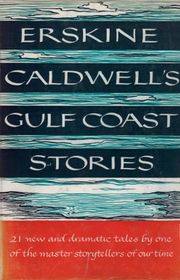
Twenty-one stories explore love, military life and the everyday encounters of people along the Gulf Coast. Comic situations and personal tragedies unfold through conversations that reveal the desires, disappointments and conflicting expectations shaping the characters’ lives.
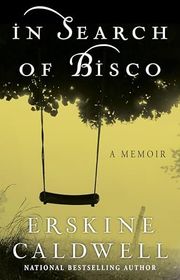
In Search of Bisco
by Erskine Caldwell
Decades after leaving his Southern childhood behind, Erskine Caldwell sets out to find Bisco, a Black friend separated from him by segregation. His journey through the region reveals racial attitudes and the tensions surrounding the civil rights movement.

This Very Earth
by Erskine Caldwell
Chism Crockett and his family struggle with the desires and tensions that divide their household. His daughters’ wayward lives become central to a portrait of family relationships in which private choices expose the fragility of their shared home.
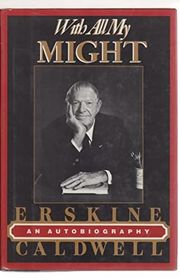
With All My Might
by Erskine Caldwell
Erskine Caldwell recounts the varied jobs, relationships, and struggles that shaped his life as a writer. From early work and wartime reporting to marriage and literary controversy, he traces the persistence behind a long and frequently contested career.
You Have Seen Their Faces
by Erskine Caldwell
Erskine Caldwell and photographer Margaret Bourke-White document sharecroppers’ lives across the Depression-era South. Images and commentary portray rural poverty, racial division, and an exploitative tenant system, bringing the conditions of overlooked communities into public view.
Standalone Erskine Caldwell books











Edited by
Software engineer whose passion for tracking book recommendations from podcasts inspired the creation of MRB.
Lead investor at 3one4 Capital whose startup expertise and love for books helped shape MRB and its growth.
Comments
Spotted a missing book, a wrong order or a mistake? Tell us and we'll fix this page.
We're a reading guide, not the author or publisher, so we can't send books or pass on messages.