
Elie Wiesel Books in Order
Browse Elie Wiesel books in order, with short summaries, series notes, memoir guides, and simple advice on where to start reading.
Last updated:
As an Amazon Associate, we earn from qualifying purchases (at no extra cost to you).
Elie Wiesel books in publication order
47 books
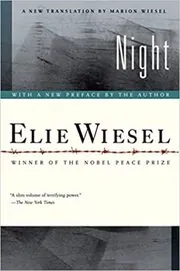
Night
by Elie Wiesel
1956
Wiesel's memoir follows his teenage self from Sighet to Auschwitz and Buchenwald alongside his father. In stark, unsentimental prose, it records the destruction of family, faith, and ordinary human life.
Recommended by
1 person Oprah Winfrey recommended this book
Oprah Winfrey
"Required reading for all of humanity." - Oprah Winfrey
Oprah Winfrey's recommendation of this book
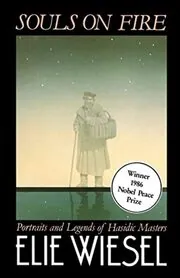
Souls on Fire
by Elie Wiesel
1958
Wiesel retells the lives and legends of Hasidic masters with special attention to joy, ecstasy, and spiritual struggle. The book is alive with storytelling, but it never loses sight of pain and doubt.
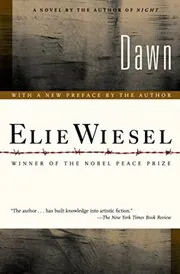
Dawn
by Elie Wiesel
1960
Elisha, a Holocaust survivor in British-controlled Palestine, is ordered to execute a captured British officer at dawn. One long night of waiting becomes a tense meditation on violence, revenge, and moral compromise.
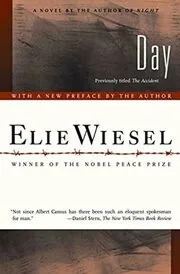
Day
by Elie Wiesel
1961
A Holocaust survivor in New York steps into the path of a taxi and lies between life and death. From that accident, Wiesel builds a spare novel about survivor's guilt, love, and the struggle to choose life.
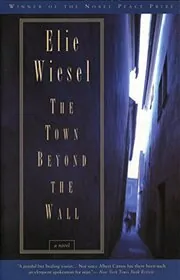
The Town Beyond the Wall
by Elie Wiesel
1962
A concentration camp survivor returns behind the Iron Curtain to the town of his birth, determined to face those who watched and did nothing. Instead he is arrested, and the journey turns into a fierce moral confrontation.
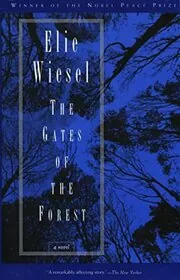
The Gates of the Forest
by Elie Wiesel
1964
Gregor, the lone survivor of his family, hides from the Nazis in forests, villages, and resistance circles. His wartime journey becomes a searching novel about fear, friendship, betrayal, and God's absence.
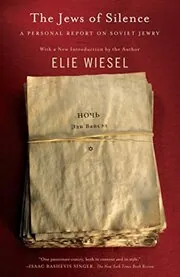
Jews of Silence
by Elie Wiesel
1966
After visiting the Soviet Union in 1965, Wiesel reports on Jewish life behind the Iron Curtain. The book is both witness and warning, aimed at oppression in the USSR and indifference elsewhere.
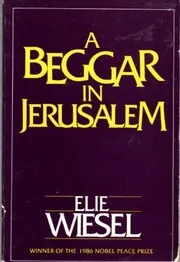
A Beggar in Jerusalem
by Elie Wiesel
1968
Set just after the Six-Day War, this novel follows a Holocaust survivor through the newly reunited city of Jerusalem. Beggars, madmen, and sacred places draw him into a spiritual confrontation with history and memory.
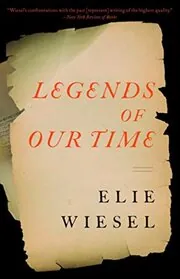
Legends of Our Time
by Elie Wiesel
1968
Stories, sketches, and memoir pieces drawn from Sighet, the camps, postwar Europe, and early adulthood. Wiesel remembers teachers, mystics, and survivors while testing what memory can still carry.
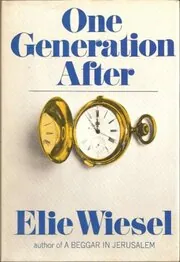
One Generation After
by Elie Wiesel
1970
Part essay collection, part story cycle, this book returns again and again to Holocaust memory and Jewish survival. Wiesel writes about testimony, silence, Israel, and what the next generation owes the dead.
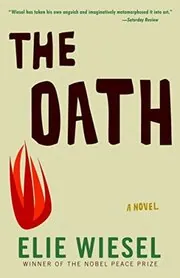
The Oath
by Elie Wiesel
1970
After a Christian boy disappears, a Jewish town is accused and pushed toward catastrophe. One man's false confession and a community's oath of silence shape this haunting novel about memory, loyalty, and terror.
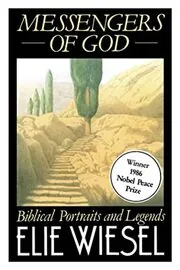
Messengers of God
by Elie Wiesel
1975
Wiesel revisits major biblical figures not as distant icons but as deeply human strugglers. These portraits use scripture and legend to explore justice, doubt, leadership, and suffering.

Zalman Madness God
by Elie Wiesel
1975
Set in a post-Stalin Soviet synagogue, this play follows a rabbi and his community under religious persecution. Wiesel turns waiting, prayer, and one man's outcry into a drama about silence and resistance.
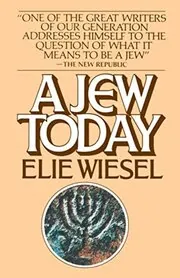
A Jew Today
by Elie Wiesel
1977
This essay collection asks what Jewish identity means after the Holocaust and amid modern politics. Wiesel writes about Israel, Soviet antisemitism, media, memory, and the responsibilities that come with belonging.
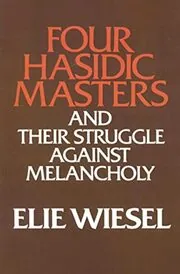
Four Hasidic Masters
by Elie Wiesel
1978
Wiesel profiles four major Hasidic leaders and their struggle against sorrow, doubt, and spiritual exhaustion. Biography, legend, and reflection come together in a book about joy as resistance.

The Trial of God
by Elie Wiesel
1979
After a massacre in seventeenth-century Shamgorod, three traveling actors are forced to stage a trial with God as the defendant. Wiesel uses the play to ask where justice and faith can survive after atrocity.
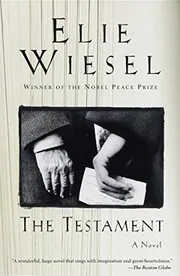
The Testament
by Elie Wiesel
1980
Executed in Stalin's anti-Jewish terror, Paltiel Kossover leaves behind a written testament for his son. Through that record, Wiesel follows a life shaped by revolution, idealism, betrayal, and return.
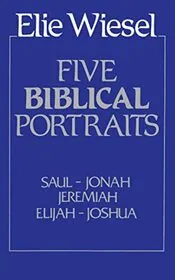
Five Biblical Portraits
by Elie Wiesel
1981
Wiesel reflects on Joshua, Elijah, Saul, Jeremiah, and Jonah as vivid, difficult human beings. The book blends scriptural reading, personal reflection, and hard questions about suffering, leadership, and conscience.
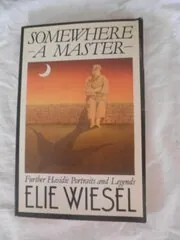
Somewhere A Master
by Elie Wiesel
1982
These portraits of Hasidic masters focus on teachers who fought despair with joy, stories, and compassion. Wiesel treats them not as distant saints, but as human guides for wounded communities.
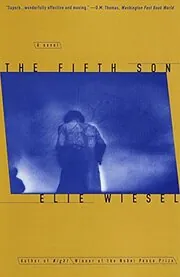
The Fifth Son
by Elie Wiesel
1983
A survivor's son tries to understand the silence surrounding his father's wartime past. His search leads toward an old act of revenge and a painful reckoning between generations.
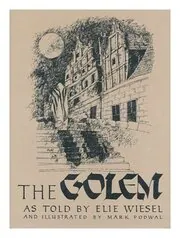
The Golem
by Elie Wiesel
1983
Wiesel retells the Prague legend of the clay being created to protect Jews from persecution. It is both a gripping legend and a meditation on fear, power, and the need for defenders in dangerous times.
Against Silence
by Elie Wiesel
1985
This large three-volume collection gathers essays, speeches, interviews, and reflections from across Wiesel's career. It shows the full range of his public voice on memory, faith, literature, Israel, and human responsibility.
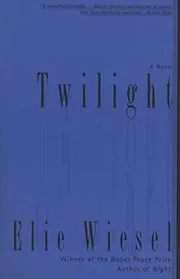
Twilight
by Elie Wiesel
1987
Raphael Lipkin, a Holocaust survivor and psychologist, moves through a world of patients, visionaries, and haunted memories. The novel explores madness, faith, and the thin line between healing and obsession.
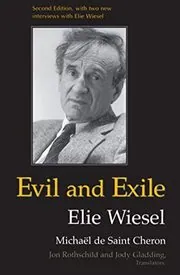
Evil and Exile
by Elie Wiesel
1988
Built from a series of interviews, this book follows Wiesel in conversation about evil, suffering, death, chance, and exile. It is unusually direct about the questions that haunted both his life and his writing.
The Six Days of Destruction
by Elie Wiesel
1988
Written with Albert H. Friedlander, this meditation for Holocaust remembrance pairs the six days of creation with six reflections on destruction and hope. It is part liturgy, part lament, and part call to remember.
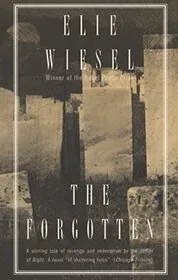
The Forgotten
by Elie Wiesel
1989
Psychotherapist and survivor Elhanan Rosenbaum is losing his memory and finally begins telling his son about the war. The son's search for the rest of the story turns into a moving inquiry into shame, inheritance, and truth.
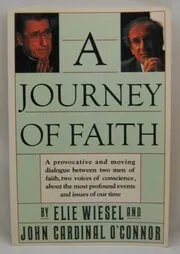
A Journey of Faith
by Elie Wiesel
1990
In this dialogue with Cardinal John O'Connor, Wiesel reflects on faith after catastrophe, Jewish-Christian relations, and moral responsibility. The exchange is respectful, searching, and grounded in difficult history.
From the Kingdom of Memory
by Elie Wiesel
1990
A collection of essays and speeches centered on remembrance, language, and the dead. Wiesel writes about Sighet, the Holocaust, Jewish destiny, and why memory must resist both silence and simplification.
Conversations with Elie Wiesel
by Elie Wiesel
1991
In dialogue with Richard D. Heffner, Wiesel talks about politics, religion, memory, nationalism, compassion, and moral responsibility. The result is a clear, wide-ranging introduction to the ideas behind his public life.

In Dialog and Dilemma With Elie Wiesel
by Elie Wiesel
1991
This volume gathers searching conversations and reflections on Wiesel's work and thought. Literature, faith, ethics, memory, and the burden of witness all come under close and serious discussion.
Sages and Dreamers
by Elie Wiesel
1991
A mix of portraits, legends, and reflections, this book revisits sages, mystics, and dreamers from Jewish tradition. Wiesel writes with warmth and urgency about stories that shape moral and spiritual imagination.
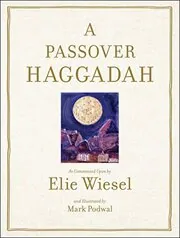
Passover Haggadah
by Elie Wiesel
1993
Wiesel's Passover Haggadah pairs the traditional seder text with his commentary and Mark Podwal's illustrations. It turns the Exodus story into a guide to ritual, memory, and the questions that keep the holiday alive.
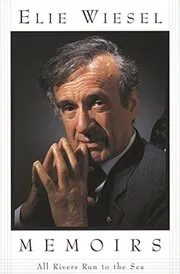
All Rivers Run to the Sea
by Elie Wiesel
1994
The first volume of Wiesel's memoirs traces his life from Sighet through Auschwitz, Buchenwald, and postwar France. It shows how a survivor slowly became a writer and public witness.
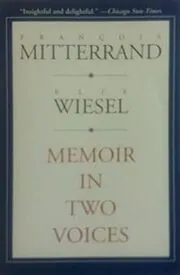
Memoir in Two Voices
by Elie Wiesel
1995
In this extended dialogue with François Mitterrand, Wiesel explores childhood, faith, war, power, literature, and memory. The book reads like a thoughtful conversation between two men shaped very differently by the twentieth century.
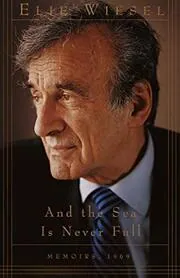
And the Sea is Never Full
by Elie Wiesel
1998
This second memoir follows Wiesel from 1969 onward as writer, teacher, activist, and Nobel laureate. Public history and private memory keep meeting as he returns to the dead, to Israel, and to the duty of witness.
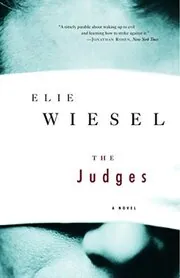
The Judges
by Elie Wiesel
1999
Guests at a strange house are interrogated by a mysterious host who calls himself the Judge. The novel becomes a tense reckoning over guilt, innocence, and who has the right to pass judgment.
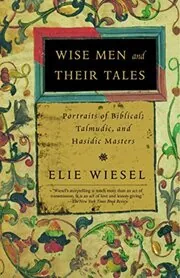
Wise Men and Their Tales
by Elie Wiesel
2000
Wiesel revisits biblical figures, Talmudic sages, and Hasidic masters with warmth and curiosity. He is less interested in turning them into statues than in showing their humanity, struggle, and spiritual force.
After the Darkness
by Elie Wiesel
2002
This illustrated reflection on the Holocaust pairs Wiesel's writing with photographs, documents, and survivor testimony. It offers a concise, deeply felt account of destruction, memory, and the work of bearing witness.
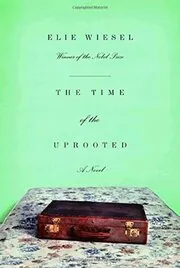
The Time of the Uprooted
by Elie Wiesel
2003
Gamaliel Friedman survives war by hiding his Jewish identity and then drifts through postwar Europe in exile. It is a novel about rootlessness, disguise, and the stubborn pull of lost love and lost home.
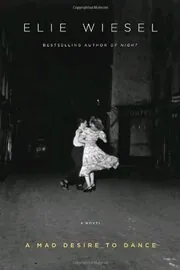
A Mad Desire to Dance
by Elie Wiesel
2006
Doriel, a European émigré in New York, recounts a life marked by war, orphanhood, and loneliness. As he speaks to a psychiatrist, grief, memory, and the need for love keep colliding.
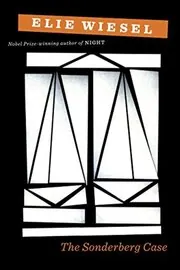
The Sonderberg Case
by Elie Wiesel
2008
A successful New York theater critic is drawn back into unresolved family history and a troubling moral puzzle from the past. Wiesel uses the novel to probe truth, memory, and the uneasy border between innocence and blame.
Rashi
by Elie Wiesel
2009
Wiesel introduces the medieval scholar Rashi as both giant commentator and deeply human teacher. The book opens a window onto Jewish learning, medieval Europe, and the enduring power of close reading.

An Ethical Compass
by Elie Wiesel
2010
This brief volume asks what it means to come of age with moral seriousness. Wiesel uses ethical reflection to push readers toward responsibility, empathy, and a clearer sense of how values guide action.
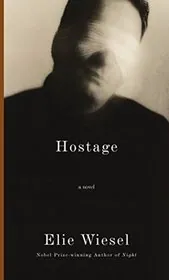
Hostage
by Elie Wiesel
2010
In 1975 Brooklyn, storyteller Shaltiel Feigenberg is abducted and held for a political prisoner exchange. His captivity becomes a tense meditation on memory, innocence, and the long reach of the Holocaust into later conflicts.
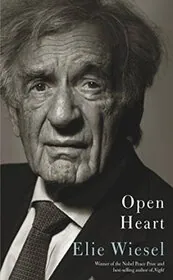
Open Heart
by Elie Wiesel
2012
Written after emergency heart surgery, this brief memoir faces mortality head-on. Wiesel reflects on family, memory, faith, regret, and whether a life of witness has been enough.
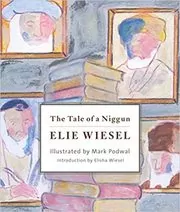
The Tale of a Niggun
by Elie Wiesel
2020
On Purim eve in a Nazi ghetto, leaders are ordered to surrender ten Jews or face annihilation. Wiesel turns a historical incident into a haunting narrative poem about fear, faith, and the saving power of song.
Recommended by
1 person Judy Blume recommended this book
Judy Blume
"A powerful, heartbreaking story." - Judy Blume
Judy Blume's recommendation of this book

Filled with Fire and Light
by Elie Wiesel
2021
Published after Wiesel's death, this collection sketches prophets, Talmudic sages, and Hasidic teachers through story and commentary. It shows his lifelong habit of reading sacred figures as living, difficult, fully human companions.
Where to start with Elie Wiesel
If you want the essential starting point: Night → Dawn → Day
If you want his life story in his own voice: All Rivers Run to the Sea → And the Sea is Never Full
If you want fiction shaped by memory and survival: The Gates of the Forest → A Beggar in Jerusalem → The Fifth Son
If you want his Jewish thought and storytelling: Messengers of God → Souls on Fire → Wise Men and Their Tales
Elie Wiesel sub-series and character series
The Night Trilogy books in order
Explore this seriesElie Wiesel collections, short stories, and related book types
Plays
Collections
Non-Fiction
Standalone Elie Wiesel books
Author bio
Elie Wiesel was born on September 30, 1928, in Sighet, a small town in Transylvania, now in Romania. He grew up in a traditional Jewish home, in a family that moved easily among Yiddish, Hungarian, Romanian, and German. His grandfather's Hasidic faith shaped him early, and his father also pushed him toward modern Hebrew and the wider world.
Then the world broke.
In 1944, after Nazi Germany occupied Hungary, Wiesel and his family were deported. His mother and younger sister were killed on arrival at Auschwitz. He and his father were sent to forced labor and then to Buchenwald, where his father died in January 1945. His two older sisters survived.
After liberation, Wiesel was sent to France with other child survivors. He studied in Paris, later at the Sorbonne, and supported himself by teaching Hebrew, translating, and working as a journalist. For years he kept largely silent about the camps, as if language itself had to be rebuilt before he could use it.
A conversation changed that.
The French writer Francois Mauriac urged him to write about what he had seen. The result was Night, the spare memoir that introduced millions of readers to his experience in Auschwitz and Buchenwald. He followed it with Dawn and Day, books that keep asking what survival costs and what violence does to the soul.
Wiesel kept returning to those questions, but he did not write the same book over and over. In novels such as The Gates of the Forest, A Beggar in Jerusalem, and The Fifth Son, he wrote about exiles, survivors, haunted sons, and people trying to live with memory without being swallowed by it. In works like Souls on Fire, Messengers of God, and Wise Men and Their Tales, he turned to Hasidic stories, biblical figures, and rabbis, bringing old texts back into ordinary human light.
His themes were steady. Memory. Silence. Faith after catastrophe. The pull of Jerusalem. The duty to answer suffering, even when no answer feels big enough.
Public life never sat apart from the books. After moving to New York in 1956 and later becoming an American citizen, Wiesel taught, lectured, and spoke out for people under threat, including Soviet Jews and victims of violence in Bosnia, Rwanda, and Kosovo. He chaired the President's Commission on the Holocaust, helped shape the creation of the United States Holocaust Memorial Museum, won the Nobel Peace Prize in 1986, and soon after founded the Elie Wiesel Foundation for Humanity with his wife, Marion.
He was also a teacher in the most direct sense. Wiesel taught at City College of New York, spent time at Yale, and then taught for decades at Boston University, where students knew him for hard questions, close reading, and the sense that literature mattered because life did.
He and Marion had one son, Elisha. Wiesel died in New York on July 2, 2016, but his work still feels like a conversation rather than a monument. Readers still come to Night first, then discover the rest, the novels, the memoirs, the arguments with God, the stories about masters and madmen, and the stubborn belief that memory can be a form of responsibility.



Edited by
Software engineer whose passion for tracking book recommendations from podcasts inspired the creation of MRB.
Lead investor at 3one4 Capital whose startup expertise and love for books helped shape MRB and its growth.
Comments
Did we miss something? Have feedback?
Help us improve this page by sharing your thoughts