
The Memoirs Books in Order
Part ofElie Wiesel Books in OrderExplore the memoirs of Elie Wiesel in order, with short summaries of both volumes, series background, and a simple guide to where to begin.
Last updated:
As an Amazon Associate, we earn from qualifying purchases (at no extra cost to you).
The Memoirs books in publication order
2 books
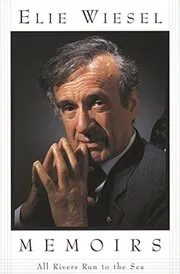
All Rivers Run to the Sea
by Elie Wiesel
1994
The first volume of Wiesel's memoirs traces his life from Sighet through Auschwitz, Buchenwald, and postwar France. It shows how a survivor slowly became a writer and public witness.
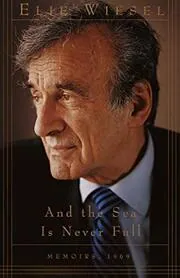
And the Sea is Never Full
by Elie Wiesel
1998
This second memoir follows Wiesel from 1969 onward as writer, teacher, activist, and Nobel laureate. Public history and private memory keep meeting as he returns to the dead, to Israel, and to the duty of witness.
The Memoirs books in chronological order
Series background & context
The Memoirs bring together the two volumes of Wiesel's autobiography, All Rivers Run to the Sea and And the Sea Is Never Full. Read together, they show not just what happened to him, but how he turned memory into a lifelong task. These books are less about polishing a public image than about tracing the difficult path from survivor to witness.
All Rivers Run to the Sea begins where many readers expect, in Sighet, with family, study, and the world that existed before deportation. It moves through Auschwitz and Buchenwald, then into postwar France, where Wiesel studied, worked as a journalist, and slowly found the language that would lead to Night. The book carries him into adulthood and the beginnings of his public life.
The second volume, And the Sea Is Never Full, picks up in 1969 and follows the decades when Wiesel became known around the world. He writes about speaking for Holocaust survivors, traveling to places marked by war and oppression, defending Soviet Jews and other persecuted communities, arguing with politicians, receiving the Nobel Peace Prize, and helping bring the Holocaust Museum in Washington into being. He also keeps returning to Israel, to family, and to the dead who never leave the room entirely.
These are memoirs, but not rushed timelines.
Wiesel moves by association as much as chronology. A meeting with a president can sit beside a memory of Sighet. A public speech can open into grief, doubt, or an argument with God. That makes the books especially rich for readers who want the life behind the headlines, not just the headline version.
Memory is the real subject. Wiesel records the people who formed him, teachers, writers, friends, relatives, and strangers, and he pays close attention to the moral weight of remembering them accurately. He is also frank about uncertainty. He knows memory can illuminate, but it can also wound, fragment, and refuse neat closure.
If you want the fullest picture of Wiesel as a person, these are the books to read after Night. They show the boy from Sighet, the orphaned student in France, the journalist, the teacher, the public speaker, and the man still asking what witness requires. The scale is larger here, but the voice remains intimate, searching, and alert to the difference between fame and responsibility.








Edited by
Software engineer whose passion for tracking book recommendations from podcasts inspired the creation of MRB.
Lead investor at 3one4 Capital whose startup expertise and love for books helped shape MRB and its growth.
Comments
Did we miss something? Have feedback?
Help us improve this page by sharing your thoughts