
Earth Chronicles Books in Order
Part ofZecharia Sitchin Books in OrderSee the Earth Chronicles series by Zecharia Sitchin with books in order, short summaries, series background, and guidance for reading his Anunnaki and Nibiru narrative.
Last updated:
As an Amazon Associate, we earn from qualifying purchases (at no extra cost to you).
Earth Chronicles books in publication order
7 books
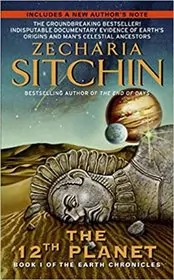
The 12th Planet
by Zecharia Sitchin
1976
Sitchin argues that Sumerian tablets describe a long-lost planet, Nibiru, whose visiting inhabitants—the Anunnaki—shaped Earth’s early history. Drawing on myths and archaeology, he links their gold-mining mission to the genetic engineering of humanity.
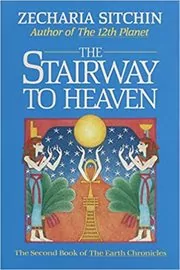
The Stairway to Heaven
by Zecharia Sitchin
1980
The second Earth Chronicles volume follows humanity’s search for immortality to a “Land of the Gods” on Earth. Sitchin connects Mesopotamian and Egyptian texts, the pyramids, the Sphinx, and Sinai to an ancient spaceport where mortals hoped to join the gods after death.
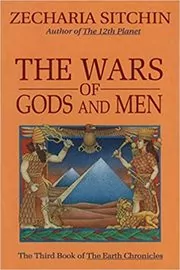
The Wars of Gods and Men
by Zecharia Sitchin
1985
Here Sitchin reads myths of divine conflict as records of real wars among the Anunnaki. He traces battles from Mesopotamia to Canaan and the Indus Valley, arguing that nuclear weapons destroyed a Sinai spaceport and echo in tales such as Sodom and Gomorrah.
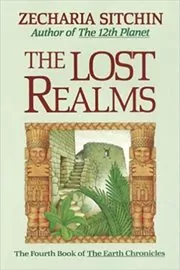
The Lost Realms
by Zecharia Sitchin
1990
This volume moves the Anunnaki story to the Americas, examining Olmec heads, Mayan cities, Andean monuments, and pre-Columbian myths. Sitchin argues that transoceanic gods and sailors carried Old World astronomy and calendars to build “lost realms” in the New World.
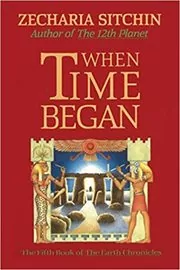
When Time Began
by Zecharia Sitchin
1993
Sitchin focuses on calendars, zodiacs, and megalithic sites. From Sumerian temples to Stonehenge and Mesoamerican monuments, he argues that ancient builders encoded celestial cycles and that a shift to the Age of Aries marked a turning point in divine rule and human history.
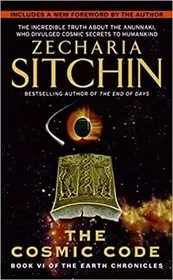
The Cosmic Code
by Zecharia Sitchin
1998
In this volume Sitchin explores the idea that a hidden “cosmic code” links human DNA, the Hebrew alphabet, and sacred numbers. Drawing on Sumerian and biblical texts, he looks for messages allegedly embedded in scriptures about humanity’s origins and future.
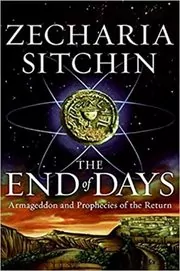
The End of Days
by Zecharia Sitchin
2007
The final Earth Chronicles volume compares turmoil in the twenty-first century with upheavals four millennia ago. Sitchin links prophecies in Daniel and Revelation to his Anunnaki timeline, arguing for a cyclical “celestial time” and a future return of the gods.
Earth Chronicles books in chronological order
Series background & context
The Earth Chronicles gathers seven of Sitchin’s best-known books into one long argument about human origins. Rather than treating myth as poetry, he reads Sumerian, Babylonian, and biblical stories as historical records, especially when they describe gods arriving from the sky.
Everything turns on his claim that an extra planet, Nibiru, periodically swings through the solar system, bringing with it the godlike Anunnaki who once mined Earth’s gold and engineered humankind as a worker race.
The 12th Planet lays out that cosmology and the first contacts between Anunnaki and early humans, reconstructing a violent early solar system and the creation of Homo sapiens. The Stairway to Heaven turns to humanity’s search for immortality, tracing it to a “Land of the Gods” tied to the pyramids, the Sphinx, and what he sees as a spaceport in the Sinai.
The Wars of Gods and Men moves the story into an era of rival factions and open conflict among the gods, interpreting Mesopotamian and biblical tales as descriptions of real wars that culminated in the nuclear devastation of a Sinai launch site and nearby cities. The Lost Realms shifts focus to the Americas, arguing that Olmec, Maya, and Andean sites were founded or guided by the same visitors from Nibiru.
In When Time Began Sitchin follows the origins of astronomy, astrology, and sacred calendars, linking ziggurats, Stonehenge, and New World monuments to a coordinated effort to track changing celestial ages and Marduk’s rise. The Cosmic Code then looks for hidden messages in Hebrew letters, numbers, and prophetic texts, while The End of Days compares upheavals in the distant past with modern crises and develops a cyclical “celestial time” that, he argues, underlies end-time prophecies.
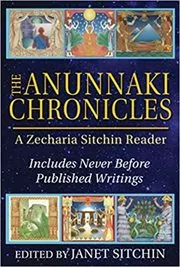
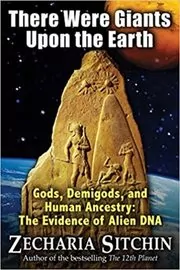
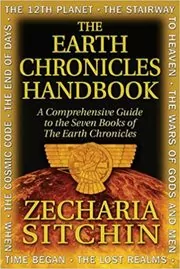
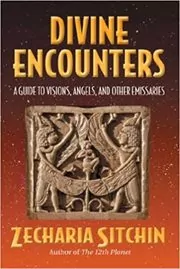
Several companion works orbit the main sequence. Genesis Revisited sets modern science beside ancient creation stories, Divine Encounters reinterprets visions and angels as meetings with the Anunnaki, The Lost Book of Enki retells the saga in Enki’s voice, The Earth Chronicles Handbook serves as an encyclopedic guide, and There Were Giants Upon the Earth concentrates on demigods and alleged traces of alien DNA. The result is a sprawling alternative history that many scholars criticize as pseudoscience but that has attracted a large, loyal readership and helped shape modern ancient-astronaut pop culture; new readers usually get the clearest sense of the argument by starting with The 12th Planet and then following the books in publication order.









Edited by
Software engineer whose passion for tracking book recommendations from podcasts inspired the creation of MRB.
Lead investor at 3one4 Capital whose startup expertise and love for books helped shape MRB and its growth.
Comments
Did we miss something? Have feedback?
Help us improve this page by sharing your thoughts