
Earl Derr Biggers Books in Order
Explore Earl Derr Biggers books in order, from Charlie Chan to his standalones, with quick summaries, reading order, series background, and where to start.
Last updated:
As an Amazon Associate, we earn from qualifying purchases (at no extra cost to you).
Earl Derr Biggers books in publication order
16 books
Seven Keys to Baldpate
by Earl Derr Biggers
1913
Writer Billy Magee takes a bet that he can finish a book in one night at a locked mountain inn. Then people with their own keys keep arriving, and the quiet retreat turns into a comic tangle of crime, gunfire, and deception.
Love Insurance
by Earl Derr Biggers
1914
Dick Minot is assigned to make sure a rich American heiress actually marries the English lord who has insured himself against being jilted. The trouble is that Dick falls for the bride himself, and every new complication makes the job worse.
Inside the Lines
by Earl Derr Biggers
1915
Jane Gerson, a young American buyer in Europe, gets trapped in wartime suspicion as World War I begins. Stranded in Gibraltar, she finds spies, divided loyalties, and romance all tangled together in a fast-moving thriller.
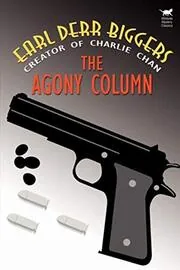
The Agony Column
by Earl Derr Biggers
1916
In prewar London, Geoffrey West uses the newspaper personals to strike up a flirtation with a young American woman. What starts as a clever romance soon turns into a murder mystery, with suspicion closing in from every side.
The Ebony Stick
by Earl Derr Biggers
1916
On his way to Italy to marry the woman he loves, Texas rancher Bob Merrill befriends a charming swindler. A gift of an ebony cane leads to stolen money, sharp reversals, and a brisk little tale of travel and revenge.
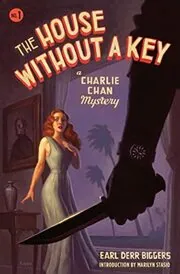
The House Without a Key
by Earl Derr Biggers
1925
Boston banker John Quincy Winterslip arrives in Honolulu to bring his wandering aunt home and instead lands in a murder case. Against the lush backdrop of 1920s Hawaii, Charlie Chan quietly pieces together a killing that unsettles island society.
Fifty Candles
by Earl Derr Biggers
1926
This standalone mystery begins in Honolulu and stretches to a fogbound night in San Francisco. A killing rooted in an old injustice pulls a young narrator into family secrets, courtroom history, and the unsettling loyalty of Hung Chin Chung.
The Chinese Parrot
by Earl Derr Biggers
1926
Charlie Chan travels from Honolulu to California to guard a valuable pearl necklace bound for an eccentric millionaire. When murder follows, he goes undercover as a cook and sorts through lies, greed, and a house full of secrets.
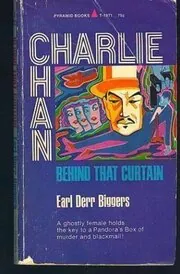
Behind That Curtain
by Earl Derr Biggers
1928
A fifteen-year-old London murder, a vanished woman, and a pair of Chinese slippers lead to a fresh killing in California. Charlie Chan steps in when a veteran detective is silenced just as the buried truth is coming to light.
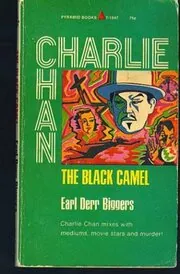
The Black Camel
by Earl Derr Biggers
1929
A glamorous film star is murdered in Waikiki, turning Hawaii into a circus of gossip, suspects, and fear. Charlie Chan digs into old secrets, Hollywood vanity, and the strange influence of a psychic who seems to know too much.
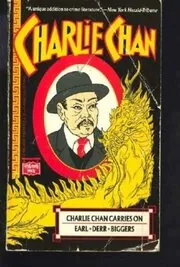
Charlie Chan Carries On
by Earl Derr Biggers
1930
When a murderer leaves a trail across Europe and Asia, an injured Scotland Yard man hands the chase to Charlie Chan. Chan boards a round-the-world voyage where the killer is still among the passengers.
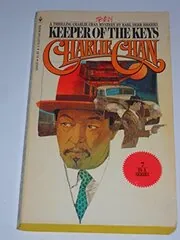
Keeper of the Keys
by Earl Derr Biggers
1932
While visiting a California estate, Charlie Chan is drawn into the murder of opera star Ellen Landini. With ex-husbands, servants, and house guests all under suspicion, he must read the small clues everyone else misses.

Earl Derr Biggers Tells Ten Stories
by Earl Derr Biggers
1933
Published after Biggers's death, this collection brings together ten shorter pieces that show his range beyond Charlie Chan. The stories lean toward romance, irony, and light mystery, with magazine-friendly plots that move quickly and cleanly.
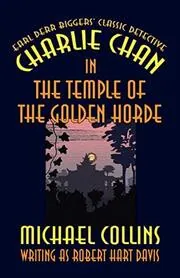
Charlie Chan in the Temple of the Golden Horde
by Earl Derr Biggers
1974
Charlie Chan travels to San Francisco for a speech and is pulled into a murder case tied to the mysterious Golden Horde. A dead courier, missing treasure, and a dangerous cult send him after answers across the Pacific.

Celebrated Cases of Charlie Chan
by Earl Derr Biggers
1985
This omnibus gathers the first five Charlie Chan novels, from The House Without a Key through Charlie Chan Carries On. It is an easy way to read Biggers's original run in sequence and watch Chan grow into the series' clear center.
Charlie Chan
by Earl Derr Biggers
This omnibus collects five Charlie Chan mysteries: The House Without a Key, The Chinese Parrot, Behind That Curtain, The Black Camel, and Keeper of the Keys. The Honolulu detective brings his patient observation and reasoning to their murder investigations.
Recommended by
1 person Tim O’Reilly recommended this book
Tim O’Reilly
"Like a time machine with the casual racism." - Tim O’Reilly
Tim O’Reilly's recommendation of this book
Where to start with Earl Derr Biggers
If you want Charlie Chan from the beginning: The House Without a Key → The Chinese Parrot → Behind That Curtain
If you want Chan at his most polished: The Black Camel → Charlie Chan Carries On → Keeper of the Keys
If you want a pre-Chan puzzle box: Seven Keys to Baldpate
If you prefer lighter romantic mystery: Love Insurance → The Agony Column
Earl Derr Biggers sub-series and character series
Earl Derr Biggers collections, short stories, and related book types
Charlie Chan Collections
Short Story Collections
Standalone Earl Derr Biggers books





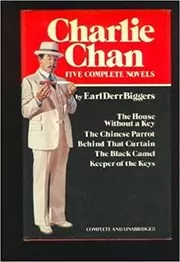
by Earl Derr Biggers
Publication date unknownFive Complete Novels: The House Without a Key; The Chinese Parrot; Behind That Curtain; The Black Camel; Keeper of the Keys
Author bio
Earl Derr Biggers was born in Warren, Ohio, on August 26, 1884, and grew up there before heading to Harvard. He graduated in 1907, and even as a student he was already writing for campus publications and selling short work to magazines.
After college he spent a little time at the Cleveland Plain Dealer and at Bobbs-Merrill, then moved to the Boston Traveler in 1908. He started as a humor columnist and later became a drama critic. That mix, newspaper pace, jokes on deadline, and a close look at how scenes play out in public, stayed with him for the rest of his career.
Then the reviews caught up with him.
Biggers's criticism was sharp enough that his newspaper job ended in 1912, and the setback pushed him harder toward fiction. He began Seven Keys to Baldpate in a Boston room near Mount Vernon Place, writing fast, one chapter a day by the coal grate. When the novel appeared in 1913, it gave him his first real break, and George M. Cohan quickly turned it into a hit play.
He married fellow writer Eleanor Ladd, whom he had met at the Traveler, and they later had a son, Robert. In the years that followed he wrote novels and plays including Love Insurance, Inside the Lines, and The Agony Column. Even before Charlie Chan, you can see the things he liked best: outsiders in strange places, bright women, quick reversals, romance threaded through danger, and plots that keep moving.
Then Hawaii changed everything.
A family trip to Honolulu gave him scenery, atmosphere, and the seed of his most famous character. Biggers later said he wanted a Chinese hero on the side of law and order, not another stock villain. After reading about Honolulu detective Chang Apana, he found the figure he needed. The House Without a Key appeared in 1925, followed by The Chinese Parrot, Behind That Curtain, The Black Camel, Charlie Chan Carries On, and Keeper of the Keys.
Those books are why most readers still find him. Charlie Chan is calm, observant, patient, and a little dryly funny, and Biggers builds the stories around the pleasure of watching him notice what everyone else misses. The books also give readers more than a puzzle. There is 1920s Hawaii, California fog, desert estates, steamship travel, society parties, and the steady pull of romance. In the first Chan novel, Chan is not even the most visible character at the start, but he quietly takes over the book.
By the mid-1920s Biggers was living in Southern California, and film versions of his work were helping spread his name. He kept writing, though Charlie Chan had clearly become the character people most wanted from him. Biggers died of a heart attack in Pasadena, California, on April 5, 1933, when he was only 48.
That short life makes the career feel even more concentrated. In a little over two decades he moved from newspaper work to bestselling fiction, created one of the best-known detectives in American popular culture, and left behind a shelf of standalones that still read briskly today, especially Seven Keys to Baldpate and the early Chan novels.








Edited by
Software engineer whose passion for tracking book recommendations from podcasts inspired the creation of MRB.
Lead investor at 3one4 Capital whose startup expertise and love for books helped shape MRB and its growth.
Comments
Did we miss something? Have feedback?
Help us improve this page by sharing your thoughts