
Dies The Fire Books in Order
Part ofSM Stirling Books in OrderThis page lists the Dies The Fire books by S.M. Stirling in order, with summaries, series background, and help picking a starting point.
Last updated:
As an Amazon Associate, we earn from qualifying purchases (at no extra cost to you).
Dies The Fire books in publication order
3 books
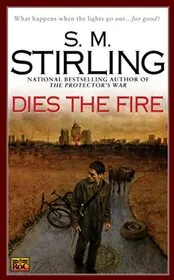
Dies the Fire
by SM Stirling
2004
A sudden global change makes electricity, engines, and gunpowder stop working, collapsing the modern world overnight. In Oregon, a pilot, a folk singer, and a ruthless medievalist build very different answers to the end of civilization.
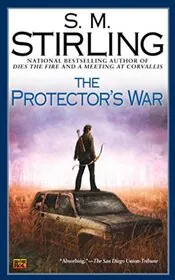
The Protector's War
by SM Stirling
2005
Eight years after the Change, Mike Havel and Juniper Mackenzie have built strong communities in the Willamette Valley. Norman Arminger wants their land, and the fight between freedom and feudal rule is about to turn open.
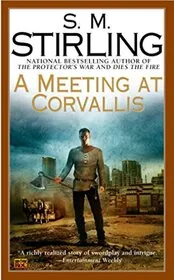
A Meeting at Corvallis
by SM Stirling
2006
The war for Oregon reaches a turning point as the Bearkillers, Clan Mackenzie, and their allies confront Norman Arminger's expanding Protectorate. Strategy, diplomacy, and one decisive campaign will shape the post-Change West.
Dies The Fire books in chronological order
Series background & context
The Dies The Fire books are the front door to Stirling's Change world, and they are the most grounded part of the whole saga. If you want to see the collapse happen instead of hearing about it later, this is the place to start. The central idea is blunt and instantly clear: one moment the modern world works, and the next electricity, engines, gunpowder, and most high-energy technology do not. From there the story asks the only sensible follow-up, who adapts first, and what do they build?
The answer, in these books, comes out of western Oregon. Former pilot Mike Havel becomes the backbone of the Bearkillers, a group built on discipline, survival skill, and practical defense. Juniper Mackenzie gathers a very different kind of community around craft, agriculture, music, ritual, and chosen family. Against them rises Norman Arminger, a medievalist who sees the end of the old world not as tragedy but as opportunity. He is one of Stirling's clearest examples of a man whose hobby suddenly becomes state policy.
Food comes first. Then walls. Then law.
What makes this opening trilogy work so well is how concrete it feels. These are not books where civilization disappears and everyone somehow has a perfect plan by chapter two. People starve. They improvise. They loot hardware stores, relearn animal traction, argue over trust, and discover very quickly that a community is more than a slogan. Stirling enjoys the logistics of rebuilding, but he also understands the social side, who follows whom, which skills suddenly matter, and how fear can turn protection into tyranny.
By the second and third books, the immediate scramble has hardened into politics and war. The question is no longer just how to survive, but what kind of society deserves to win. The Bearkillers and Mackenzies are imperfect but voluntary communities. Arminger's Protectorate offers order at the price of hierarchy and coercion. That clash gives the trilogy its shape, and it is why these books still feel different from the later, more mythic Emberverse novels.
If the wider series eventually becomes a kind of epic fantasy built on post-apocalyptic foundations, Dies The Fire is the phase where the mud is still wet. You can see the institutions being invented in real time. For many readers, that is the sweet spot, practical, tense, and close enough to recognizably modern life to make every new custom feel earned.
Edited by
Software engineer whose passion for tracking book recommendations from podcasts inspired the creation of MRB.
Lead investor at 3one4 Capital whose startup expertise and love for books helped shape MRB and its growth.
Comments
Did we miss something? Have feedback?
Help us improve this page by sharing your thoughts