
Flight Engineer Books in Order
Part ofSM Stirling Books in OrderSee the Flight Engineer books by S.M. Stirling in order, with summaries, series background, and where to start this space opera trilogy.
Last updated:
As an Amazon Associate, we earn from qualifying purchases (at no extra cost to you).
Flight Engineer books in publication order
3 books
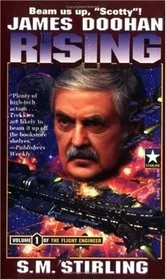
The Rising
by SM Stirling
1996
A young spacer is pulled into a much larger conflict in this opening Flight Engineer novel, where technical skill is only the start of surviving among warships, merchants, and ambitious powers. It is classic collaboration-era space opera.
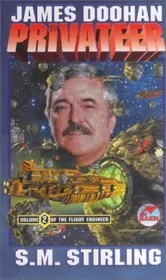
The Privateer
by SM Stirling
1999
The middle Flight Engineer book shifts from training and survival toward piracy, commerce raiding, and broader political trouble. It keeps the series in space-opera mode, with engineering know-how mattering as much as courage.
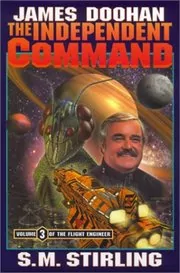
The Independent Command
by SM Stirling
2000
The Flight Engineer trilogy ends with bigger fleets, harder choices, and command responsibilities that can no longer be dodged. What began as a personal adventure turns into a test of leadership on an interstellar scale.
Flight Engineer books in chronological order
Series background & context
Flight Engineer is a collaboration with James Doohan, and it sits in the older, breezier space-opera end of Stirling's work. If you come here expecting the historical density of the Emberverse or the moral bleakness of the Draka books, this shelf will feel different. The pleasures are more straightforward: ships, young spacers, piracy, fleet trouble, political complications, and the old truth that a person who understands how things work is often more dangerous than a person who only knows how to give orders.
That technical angle is the key to the title and to the feel of the trilogy. These books care about engineering, command systems, and the nuts and bolts of spacefaring life, but they are not dry about it. The machinery is there to drive adventure. Problems aboard ship matter because someone has to solve them under pressure, and the people doing the solving keep getting dragged into conflicts larger than the job they thought they had.
This is classic space-opera motion.
The trilogy widens as it goes. What begins as a more personal story of skill, survival, and placement in a dangerous interstellar world grows into a larger struggle involving privateering, military command, and the politics behind who controls trade, force, and legitimacy. That arc makes the books easy to browse in order. Each one clearly pushes the scale outward without abandoning the sense that individual competence still matters.
If you know Doohan mainly as an actor, it is easy to see why this project appealed to him. The books like capable people, repaired systems, and the dignity of the person in the engine room who understands what will actually happen if someone in authority makes a foolish call. Stirling fits that nicely by bringing in his usual interest in command stress and institutional weakness.
So this page is best used by readers who want a livelier, more traditional SF adventure track inside Stirling's bibliography. Flight Engineer is not trying to reinvent the genre. It is trying to deliver a good run of shipboard and interstellar adventure, and it does that by keeping the pressure on, the stakes rising, and the practical problems close at hand.



Edited by
Software engineer whose passion for tracking book recommendations from podcasts inspired the creation of MRB.
Lead investor at 3one4 Capital whose startup expertise and love for books helped shape MRB and its growth.
Comments
Did we miss something? Have feedback?
Help us improve this page by sharing your thoughts