
Fifth Millennium Books in Order
Part ofSM Stirling Books in OrderSee the Fifth Millennium books by S.M. Stirling in order, with summaries, series background, and help getting into this far-future fantasy world.
Last updated:
As an Amazon Associate, we earn from qualifying purchases (at no extra cost to you).
Fifth Millennium books in publication order
6 books
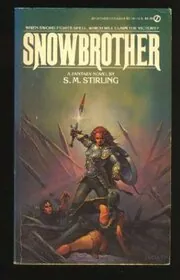
Snowbrother
by SM Stirling
1985
In the far-future ruins of civilization, Shkai'ra grows up in a harsh tribal world where survival comes first and trust is scarce. It is lean, wintry fantasy with old wounds and stubborn endurance.

The Sharpest Edge
by SM Stirling
1986
In the corrupt city of Illizbuah, a wandering swordswoman is drawn into intrigue among priests, rulers, and hidden powers. The book mixes far-future fantasy, urban danger, and hard choices.
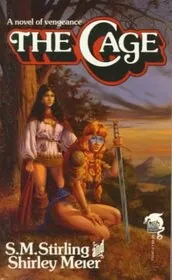
The Cage
by SM Stirling
1989
Betrayed, enslaved, and left for broken, Megan Thanesdoom escapes and sets out for revenge. Her road home becomes a fast-moving adventure of allies gained, enemies hunted, and old scores finally faced.
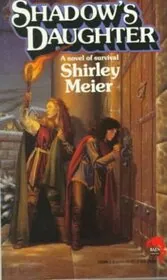
Shadow's Daughter
by SM Stirling
1991
Court politics ruin Megan's father and force her family into poverty in the lowest reaches of F'talezon. Growing up amid hardship, she must find ways to survive in a city where courage alone may require the help of magic.
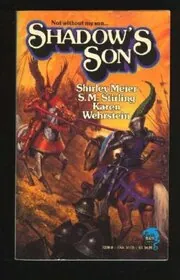
Shadow's Son
by SM Stirling
1991
Megan Thanesdoom learns that her kidnapped son may still be alive, and the search pulls her back into politics, danger, and old loyalties. The Fifth Millennium world stays personal even when the stakes get large.
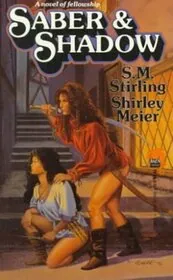
Saber and Shadow
by SM Stirling
1992
This expanded version of The Sharpest Edge returns to the Fifth Millennium, where swordswomen, priests, and schemers collide in the corrupt city of Illizbuah. It is far-future fantasy with street intrigue and a hard edge.
Fifth Millennium books in chronological order
Series background & context
The Fifth Millennium books are early Stirling, but they already show several of the things he would keep doing for decades. The setting is far-future and post-apocalyptic. Long ago, civilization fell hard, probably in something very like a nuclear catastrophe, and the world has climbed back only partway. By roughly the year 5000, people live with medieval-level tools, scattered states, long trade routes, and traces of powers that feel like magic or psionics without ever turning the setting into full high fantasy.
What makes the series interesting is that it is less one straight line than an interlocking cluster of adventures. Characters and places recur, but the books do not all feel identical. Snowbrother leans into harsh survival and tribal life. The Sharpest Edge, and its expanded version Saber and Shadow, push into urban intrigue in Illizbuah. The Cage and Shadow's Son carry forward a more personal thread involving betrayal, vengeance, family, and the stubborn refusal to stay beaten.
It is a connected world more than a single marching plot.
That gives the books a slightly old-school feel in a good way. You move through the setting by following different crises rather than one giant world-saving quest. Traders, fighters, lovers, outcasts, and city schemers all get room. The result is a shelf that mixes swordplay with commerce, revenge with politics, and personal loyalties with the rough practicalities of keeping yourself alive in a dangerous age.
One other useful thing to know is that the Fifth Millennium has post-collapse bones even when it looks like fantasy on the surface. The civilizations are not timeless kingdoms. They are later growths on top of a broken older world. That gives the series a texture a lot of standard secondary-world fantasy does not have. Ruin, memory, and partial recovery are always somewhere in the background.
If you are browsing this page because you like Stirling's later interest in societies under pressure, this is a worthwhile place to go backward. The scale is smaller than the Emberverse, but the instincts are already there. These books care about how communities function, how trade and force interact, and how a person with enough skill or nerve can change the shape of a city, a household, or a whole route across the map.

Edited by
Software engineer whose passion for tracking book recommendations from podcasts inspired the creation of MRB.
Lead investor at 3one4 Capital whose startup expertise and love for books helped shape MRB and its growth.
Comments
Did we miss something? Have feedback?
Help us improve this page by sharing your thoughts