
David Thomson Books in Order
Explore David Thomson’s books and series in order, with short summaries and reading lists to help you find your next book and decide where to begin reading.
Last updated:
As an Amazon Associate, we earn from qualifying purchases (at no extra cost to you).
David Thomson books in publication order
34 books
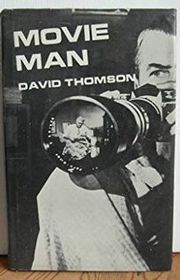
Movie Man
by David Thomson
1967
David Thomson considers cinema as a force changing how people understand and behave in the world. Through filmmakers including Hitchcock, Hawks, and Renoir, he explores movies as a new form of discourse as well as an art.
Hungry as Hunters
by David Thomson
1972
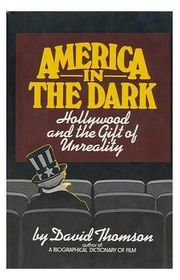
America in the Dark
by David Thomson
1977
David Thomson examines Hollywood's cultural influence and the relationship between American movies and ideas of reality. This critical study considers film's social role, including film noir, and the pervasive appeal of the imagined world created on screen.
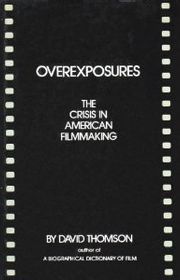
Overexposures
by David Thomson
1981
David Thomson examines the American film industry through the work of its directors, producers, writers and stars. His criticism looks behind contemporary movies to investigate the conditions responsible for what he sees as a crisis in Hollywood filmmaking.
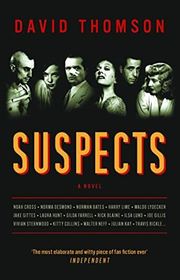
Suspects
by David Thomson
1985
A narrator begins composing biographies of familiar film noir characters, imagining lives beyond their appearances on screen. As these figures encounter one another outside their original stories, their tangled connections reveal a larger mystery surrounding the storyteller.
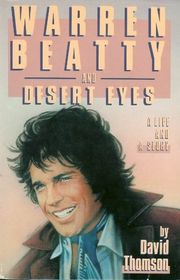
Warren Beatty and Desert Eyes
by David Thomson
1987
Warren Beatty’s life unfolds alongside a fictional story about a future superstar called Eyes. Alternating biography and fantasy, Thomson examines celebrity, desire and power, allowing the imagined figure’s world to reflect the actor’s place in American culture.
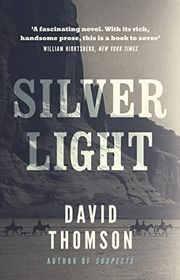
Silver Light
by David Thomson
1990
An elderly photographer and her longtime friend, a writer of Western stories, anchor a novel spanning the late nineteenth century and 1950. Historical figures and movie characters mingle as competing versions of the American West unfold.
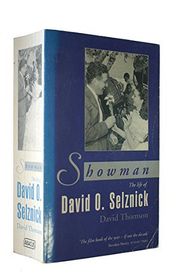
Showman
by David Thomson
1992
Drawing on David O. Selznick’s extensive correspondence, Thomson traces the producer’s rise through Hollywood and the ambitions behind his major films. The story follows a family dynasty whose professional triumphs were entangled with insecurity, excess and personal turmoil.
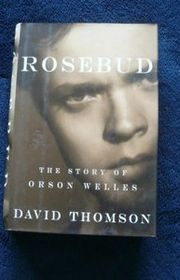
Rosebud
by David Thomson
1996
David Thomson follows Orson Welles from youthful celebrity and Citizen Kane through decades of ambitious, troubled filmmaking. The biography connects his artistic achievements and failures with the extravagant personality, relationships, and betrayals that shaped his career.
Beneath Mulholland
by David Thomson
1997
David Thomson’s essays explore Hollywood’s lasting presence in viewers’ imaginations through actors, characters, and invented possibilities. Portraits of familiar stars and speculative encounters with their screen worlds examine how movies continue to haunt everyday life.
The Alien Quartet
by David Thomson
1998
David Thomson examines the first four Alien films, considering their directors, actors, themes, and production histories. Behind the finished movies, he explores the creative decisions and tensions that shaped the series and its distinctive approach to science fiction horror.
Hollywood
by David Thomson
2001
David Thomson surveys Hollywood’s development from silent pictures through Technicolor and the electronic era. Photographs and commentary place stars, directors, and major filmmaking trends within the changing social and historical circumstances that shaped the industry.
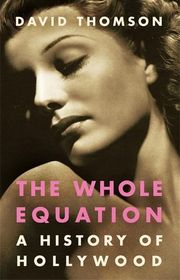
The Whole Equation
by David Thomson
2004
David Thomson traces Hollywood’s history through the ambitions of its filmmakers, stars, and businessmen. From early mass entertainment to modern celebrity, he explores how artistic desire, commercial calculation, and American culture shaped one another.
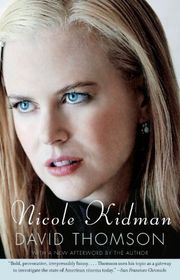
Nicole Kidman
by David Thomson
2006
David Thomson examines Nicole Kidman’s performances, career decisions, and public image to explore modern movie stardom. Her collaborations, marriage to Tom Cruise, and management of celebrity become part of a broader inquiry into acting and audience desire.
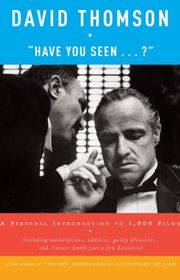
"Have You Seen . . . ?"
by David Thomson
2008
David Thomson offers critical introductions to a thousand films, combining familiar favorites with neglected and unexpected choices. His assessments explore what makes movies endure while inviting readers to reconsider established classics and discover films they have missed.
Bette Davis
by David Thomson
2009
David Thomson traces Bette Davis’s career through memorable roles, studio conflicts and a fiercely determined public identity. Her acting and private life form a portrait of a star whose refusal to defer helped make her a commanding presence in Hollywood.
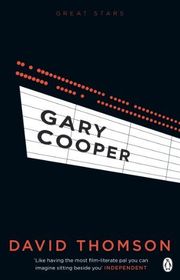
Gary Cooper
by David Thomson
2009
Gary Cooper’s image as a reserved American hero masks a more complicated private life and carefully managed career. David Thomson examines the performances, relationships and professional choices behind the screen persona that made Cooper a major Hollywood star.
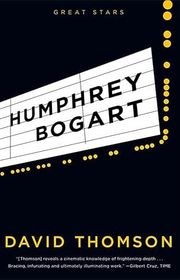
Humphrey Bogart
by David Thomson
2009
David Thomson examines Humphrey Bogart’s screen persona alongside the doubts and difficulties behind it. His portrait follows an upper-class outsider who became a Hollywood icon while distrusting stardom and navigating drinking, marriage, and his relationship with Lauren Bacall.
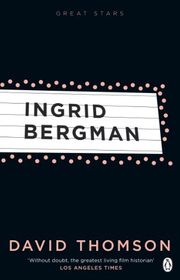
Ingrid Bergman
by David Thomson
2009
David Thomson explores Ingrid Bergman’s career and the passions behind her public image. The portrait examines how her commitment to acting and personal desires brought extraordinary fame, international scandal, and difficult choices between work and family.
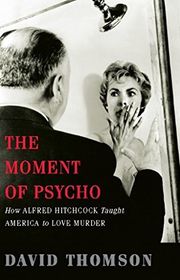
The Moment of Psycho
by David Thomson
2009
David Thomson examines the making and reception of Psycho within Alfred Hitchcock’s career. He argues that its treatment of sex, violence, and horror transformed audience expectations and helped reshape what Americans wanted from the movies.

Try to Tell the Story
by David Thomson
2009
David Thomson recalls his London childhood, a difficult relationship with his absent father, and the women who raised him. Cinema becomes a refuge from loneliness and a source of imaginative possibilities amid the aftermath of war.

The Oscars Revisited
by David Thomson
2011
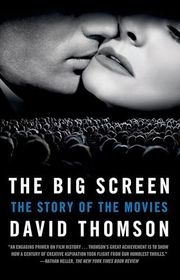
The Big Screen
by David Thomson
2012
David Thomson traces the development of movies and the screens through which audiences encounter them. Exploring technology, stars, and changing habits of viewing, he asks how screen entertainment shapes modern life and offers escape from its responsibilities.
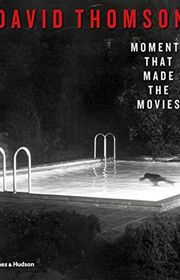
Moments That Made the Movies
by David Thomson
2013
David Thomson revisits memorable sequences from seventy-two films through reproduced images and close commentary. Ranging across a century of cinema, the book examines how particular visual moments create meaning and linger in the minds of viewers.
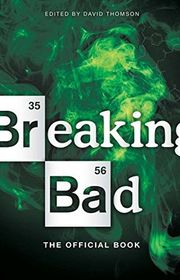
Breaking Bad
by David Thomson
2015
This guide follows Breaking Bad from its beginnings through its final episode, examining its visual style, music, effects, and recurring imagery. Interviews, production details, and David Thomson’s commentary explore the construction and significance of Walter White’s transformation.
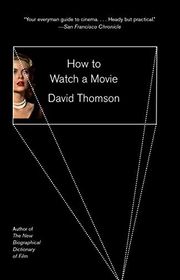
How to Watch a Movie
by David Thomson
2015
David Thomson explores how acting, editing, dialogue, music, and viewing conditions influence the experience of watching films. Analyses of familiar movies help readers notice both cinematic artistry and the techniques through which filmmakers direct an audience’s response.
Television
by David Thomson
2016
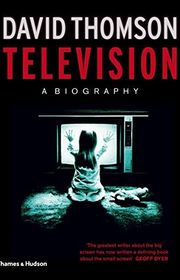
David Thomson examines television’s transformation from a scheduled household diversion into an abundance of portable screens and constantly available programming. His account considers how the medium has altered American habits, expectations, and ways of understanding the world.
Sleeping with Strangers
by David Thomson
2019
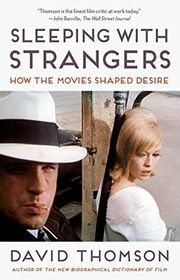
David Thomson examines the relationship between cinema and sexual desire, exploring how screen images shape ideas of masculinity, femininity, and beauty. Films, advertising, and pornography become evidence in an inquiry into representation, fantasy, and personal identity.
Murder and the Movies
by David Thomson
2020
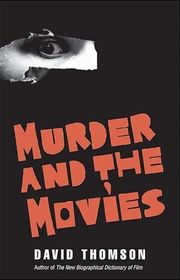
David Thomson investigates why audiences are drawn to murder on screen. Examining films ranging from Hitchcock thrillers to The Godfather, he explores the uneasy relationship between filmmakers, fictional killers, and spectators fascinated by violence.
A Light in the Dark
by David Thomson
2021
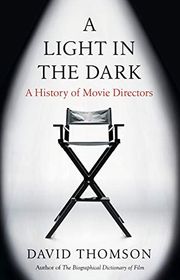
David Thomson examines influential movie directors and the creative decisions through which they shape films. His portraits connect professional achievements and personal lives while considering the industry’s history of male dominance and the possibilities of greater diversity.
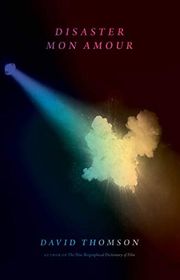
Disaster Mon Amour
by David Thomson
2022
David Thomson explores real and imagined catastrophes to ask why people are drawn to watching disaster. Combining film criticism and social observation, he considers how digital culture turns distant suffering into entertainment insulated from its consequences.
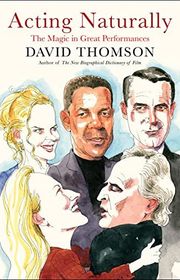
Acting Naturally
by David Thomson
2023
David Thomson examines how actors create performances through gestures, pauses, expressions, and choices made before filming begins. Portraits of performers across cinema history explore the relationship between acting, audience fascination, and the roles people play in life.
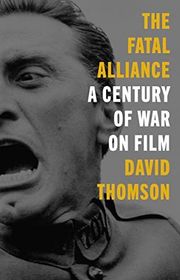
The Fatal Alliance
by David Thomson
2023
David Thomson explores a century of war movies and their influence on popular understandings of conflict. Examining celebrated battle films, he asks what the pleasure audiences take in screen violence reveals about warfare, history, and entertainment.
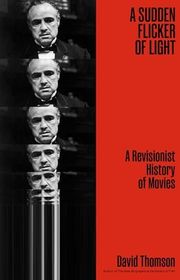
A Sudden Flicker of Light
by David Thomson
2026
David Thomson revisits film history while questioning the effects of a lifetime spent watching screens. Alongside discussions of cinematic achievement, he examines how fantasy, voyeurism, violence, and passive spectatorship have influenced cultural and political life.
Where to start with David Thomson
For a direct introduction to his film criticism: How to Watch a Movie
For a film biography: Rosebud → Showman
For fiction built from cinema’s imagined lives: Suspects
For movies, power and spectatorship: The Fatal Alliance → A Sudden Flicker of Light
David Thomson sub-series and character series
Great Stars books in order
Standalone David Thomson books
Author bio
David Thomson writes about films as works of art, businesses, stories and experiences that alter the people watching them. A British-born critic, historian and biographer, he attended Dulwich College and the London School of Film Technique. Work at Penguin and directing film studies at Dartmouth College formed part of a career that has moved between close attention to individual movies and broader questions about screen culture.
The person watching is often part of the subject.
How to Watch a Movie offers a direct introduction to that approach. Thomson considers actors, shots, cuts, dialogue and music, but also the circumstances in which a film is seen. The question is not simply whether a movie is good. It is how the experience works, how an audience responds and how pleasure can coexist with manipulation. Readers who want to notice more during their next viewing can begin here.
His biographies turn toward the people making the images. Showman follows producer David O. Selznick, while Rosebud examines Orson Welles. These books let readers enter film history through an individual career rather than a survey of an entire medium. Their place alongside his criticism shows the range of his interests: performance and authorship matter, but so do the practical circumstances under which films come into being.
Thomson also writes fiction about cinema’s hold on the imagination.
In Suspects, familiar film characters acquire lives beyond the stories that first contained them. Invented biographies begin to connect, creating a shared world out of figures audiences may already think they know. The novel offers a different way of exploring movie memory. Instead of explaining a film from outside, it enters the imagined lives its images have left behind.
The Fatal Alliance examines war movies and the pleasure viewers can take in screen violence. Its interest extends beyond how convincingly a battle is staged to what that entertainment suggests about understandings of conflict and history. Readers drawn to arguments about cinema’s relationship with public life can approach Thomson through this more focused subject.
A Sudden Flicker of Light widens the inquiry across film history while questioning the effects of a lifetime spent watching screens. Achievement sits beside unease about fantasy, voyeurism, violence and passive spectatorship. The book connects his appreciation of cinema with questions about what its images encourage audiences to accept. Reading it after How to Watch a Movie gives two distinct scales: the workings of a viewing experience and the larger culture built around those experiences.
Thomson lives in San Francisco and has contributed to publications including The New York Times, The New Republic and Film Comment. His books suit readers who enjoy an argument alongside their enthusiasm for movies. How to Watch a Movie provides an accessible starting point, Rosebud offers a biographical route, and Suspects suits readers ready to see film criticism transformed into fiction. Across these forms, the screen remains a place where art, desire and the stories people tell about themselves meet.



Edited by
Software engineer whose passion for tracking book recommendations from podcasts inspired the creation of MRB.
Lead investor at 3one4 Capital whose startup expertise and love for books helped shape MRB and its growth.
Comments
Spotted a missing book, a wrong order or a mistake? Tell us and we'll fix this page.
We're a reading guide, not the author or publisher, so we can't send books or pass on messages.