
David Macaulay Books in Order
David Macaulay is a series of 28 books written by David Macaulay.
Here, you can see them all in order! (publication year included)
Last updated: 28 new books added
As an Amazon Associate, we earn from qualifying purchases (at no extra cost to you).
David Macaulay books in publication order
28 books
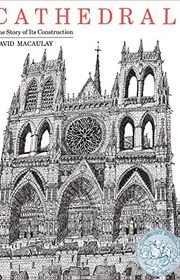
Cathedral
by David Macaulay
1973
A fictional European cathedral provides a way to explore the people and work behind medieval architecture. Detailed drawings follow an ambitious church-building project across generations, connecting the structure’s enduring form with the effort and imagination required to create it.
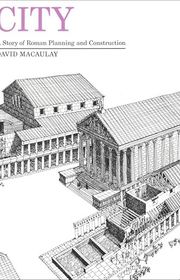
City
by David Macaulay
1974
The imaginary Roman city of Verbonia takes shape from its first site selection to its completed streets and buildings. Drawings explain planning, engineering and everyday services, connecting water systems, markets, homes and public spaces with the needs of city life.
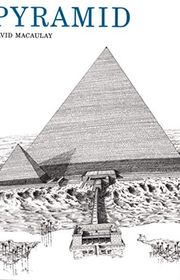
Pyramid
by David Macaulay
1975
Detailed illustrations follow the construction and purpose of ancient Egyptian pyramids. David Macaulay connects architectural methods with ideas about life and death, showing how monumental tombs expressed the beliefs and organization of the civilization that built them.
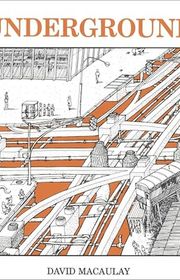
Underground
by David Macaulay
1976
Beneath a fictional city intersection lies a network of pipes, tunnels and structural supports. David Macaulay’s drawings reveal these normally hidden systems, explaining how their interconnected functions sustain the streets, buildings and everyday activity above them.
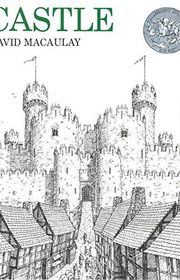
Castle
by David Macaulay
1977
Planning and construction unfold together as a castle and its surrounding town take shape. Detailed drawings explain the choices behind their design, connecting the physical work of building with the defensive and practical demands placed on a medieval settlement.
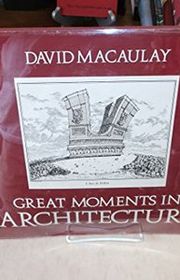
Great Moments in Architecture
by David Macaulay
1978
Architectural landmarks become subjects for visual jokes and improbable redesigns. A tilted drafting table, a fallen Eiffel Tower and imagined future ruins turn familiar structures into drawings that play with the assumptions behind how buildings are conceived and remembered.
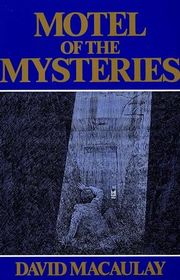
Motel of the Mysteries
by David Macaulay
1979
In the year 4022, amateur archaeologist Howard Carson discovers a buried American motel room and mistakes it for an ancient tomb. His elaborate interpretations transform ordinary objects into ceremonial treasures, exposing how confidently a civilization can misunderstand the past.
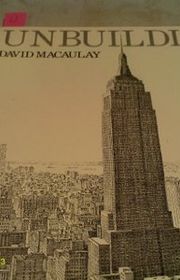
Unbuilding
by David Macaulay
1979
An imagined dismantling of the Empire State Building reveals how a skyscraper is put together. Following its removal rather than its construction, David Macaulay explains the structure and the practical problems involved in taking an immense building apart.
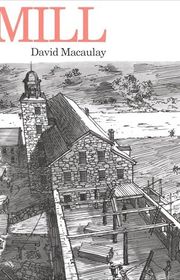
Mill
by David Macaulay
1983
A fictional Rhode Island mill town reveals the planning, construction and operation of nineteenth-century textile mills. Generations of builders and workers connect the machinery and architecture with the changing daily life of an industrial New England community.
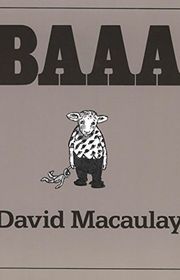
Baaa
by David Macaulay
1985
After humanity disappears, sheep inherit the Earth and begin shaping a civilization of their own. Their increasingly familiar behavior turns an animal takeover into a dark picture-book fable about the mistakes societies repeat and the consequences they fail to recognize.

Why the Chicken Crossed the Road
by David Macaulay
1987
A chicken’s journey across a road sets off an illustrated investigation of cause and effect involving a bandit called Desperate Dan. Unexpected connections turn a familiar question into a visual sequence where one action can send consequences in surprising directions.
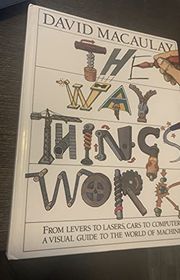
The Way Things Work
by David Macaulay
1988
Machines and inventions reveal their underlying principles through detailed illustrations and humorous explanations. Moving from simple levers to cameras, lasers and computers, David Macaulay connects everyday mechanisms with the engineering ideas that make increasingly complicated devices possible.
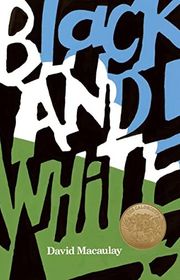
Black and White
by David Macaulay
1990
Four illustrated narratives occupy separate quarters of each spread, inviting readers to compare their events. Apparently independent stories begin to suggest connections, making the relationship between images, timing and perspective part of the puzzle of understanding what is happening.
Ship
by David Macaulay
1993
Underwater archaeologists search Caribbean reefs for a lost caravel, piecing together its history from recovered clues. Maps and diagrams connect their investigation with the construction and voyage of the Spanish ship Magdalena, linking modern discovery with a distant maritime tragedy.
Shortcut
by David Macaulay
1995
Albert and his mare June set out to sell melons on market day, starting a chain of apparently ordinary events. Their journey reveals unexpected links between different lives, turning everyday actions into a visual puzzle of consequences and reactions.
Rome Antics
by David Macaulay
1997
A pigeon carrying an important message follows a wandering route across Rome. Its flight guides readers through streets where ancient monuments and contemporary life coexist, with each change of direction revealing another perspective on the city’s layered history.
Building Big
by David Macaulay
2000
Bridges, tunnels, dams, domes and skyscrapers present different structural challenges. David Macaulay examines how designers respond to those problems, connecting the planning behind large construction projects with the engineering solutions that allow ambitious buildings and infrastructure to stand.
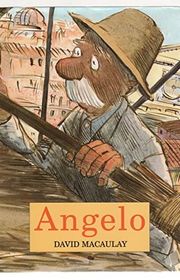
Angelo
by David Macaulay
2002
Restoring an old church, Angelo discovers an injured pigeon among the debris he is clearing away. His reluctant decision to help the bird develops into an unlikely friendship, connecting the work of preserving a building with caring for another living creature.
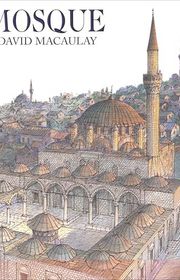
Mosque
by David Macaulay
2003
The construction of a fictional Turkish mosque complex introduces architecture in the Ottoman world around 1600. Drawings explain materials, domes and building methods while connecting the project with the economic and social role of a mosque in its community.
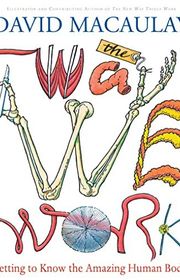
The Way We Work
by David Macaulay
2008
An illustrated journey through the human body moves from individual cells to the systems they form. Detailed cross-sections explain how different structures function together, connecting the body’s hidden mechanisms with a broader understanding of the living organism each reader inhabits.
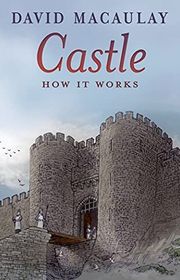
Castle: How It Works
by David Macaulay
2012
A medieval castle comes under attack as its defenses and daily workings are explained through illustrations. Walls, towers, the moat, and internal rooms each have a role, showing young readers how the inhabitants live and defend their fortress.
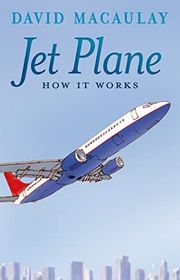
Jet Plane
by David Macaulay
2012
A journey aboard a jet introduces the systems that allow an enormous aircraft to fly. Engines, wings, cockpit controls and the passenger cabin connect the familiar experience of air travel with the machinery and forces working behind it.
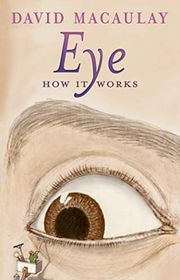
Eye
by David Macaulay
2013
Light begins a journey through the human eye before becoming information the brain can interpret. Illustrations connect the organ’s anatomy with everyday acts of seeing, explaining how people recognize their surroundings and respond to movement around them.

Toilet
by David Macaulay
2013
A flush starts a journey beyond the bathroom through pipes, sewers and a treatment plant. Following the route of waste, this illustrated explanation connects a familiar household fixture with the larger systems that carry material away and make it safer.
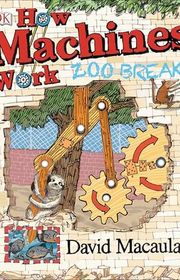
How Machines Work
by David Macaulay
2015
Sloth and Sengi need a machine to escape from their zoo. Their attempts introduce levers, pulleys, wheels and other basic mechanisms, with interactive models connecting scientific principles to the practical problem of designing something that can carry them to freedom.
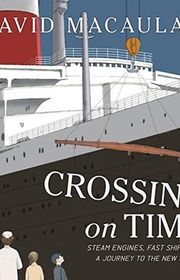
Crossing on Time
by David Macaulay
2019
The development of steamships culminates in the design and construction of the SS United States. David Macaulay connects engineer William Francis Gibbs’s work with his own childhood Atlantic crossing, joining technological history to a personal journey toward a new home.
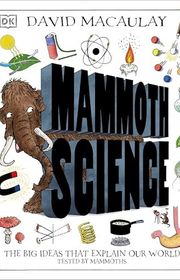
Mammoth Science
by David Macaulay
2020
Mammoths investigate the principles of physics, chemistry and biology through illustrated demonstrations. Magnets, atoms, materials and skeletons provide starting points for questions about the world, using the animals’ experiments to connect scientific ideas with visible examples.
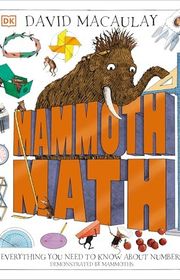
Mammoth Math
by David Macaulay
Curious mammoths investigate numbers, geometry and measurement through practical situations and visual demonstrations. Equations, angles, time and charts connect mathematical ideas with familiar activities, offering an illustrated route into the patterns and calculations that appear throughout everyday life.









Edited by
Software engineer whose passion for tracking book recommendations from podcasts inspired the creation of MRB.
Lead investor at 3one4 Capital whose startup expertise and love for books helped shape MRB and its growth.
Comments
Spotted a missing book, a wrong order or a mistake? Tell us and we'll fix this page.
We're a reading guide, not the author or publisher, so we can't send books or pass on messages.