
Daughters of the Promised Land Books in Order
Part ofJill Eileen Smith Books in OrderSee Daughters of the Promised Land by Jill Eileen Smith in order, with short summaries, series background, and a quick guide to where to start.
Last updated:
As an Amazon Associate, we earn from qualifying purchases (at no extra cost to you).
Daughters of the Promised Land books in publication order
4 books
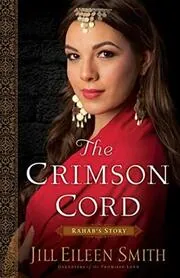
The Crimson Cord
by Jill Eileen Smith
2015
Rahab has already lost almost everything when Israelite spies arrive at her house in Jericho. Hiding them is a desperate gamble that could cost her life, but it also offers her first real chance at freedom.
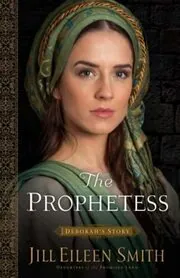
The Prophetess
by Jill Eileen Smith
2016
Deborah never expected to lead a nation, but Canaan's oppression and God's call leave her no room to hide. This novel pairs private doubts with public courage as Israel moves toward battle.
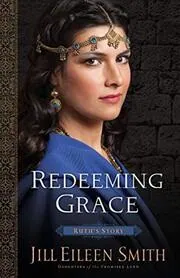
Redeeming Grace
by Jill Eileen Smith
2017
Famine drives Naomi's family to Moab, where loss leaves her with two daughters-in-law and little hope. Ruth's choice to return with her to Bethlehem sets the stage for hardship, loyalty, and an unexpected new future.

A Passionate Hope
by Jill Eileen Smith
2018
Hannah loves her husband and her God, but years of barrenness wear her down. As Peninnah's cruelty and corruption at Shiloh close in, Hannah must keep praying when silence seems to be the only answer.
Daughters of the Promised Land books in chronological order
Series background & context
Daughters of the Promised Land is a broad, generous series that moves through several key moments in Israel's early history. The books do not follow one continuing cast so much as one continuing idea: women standing near the edge of God's promise and trying to live faithfully in the middle of danger, grief, waiting, and change. Smith moves from Jericho to the era of the judges, then to Bethlehem and Shiloh, letting each story stand on its own while still feeling part of the same larger journey.
The series does not follow one heroine, but it does follow one question: how does a woman hold onto God when the future looks thin?
In The Crimson Cord, that question lands inside Jericho. Rahab is an outsider in every way that matters, and her act of faith carries immediate risk. The tension is urgent and public, because a city is on the verge of collapse, but it is also deeply personal. Rahab is looking for dignity, safety, and a way into a future she never expected to have.
The Prophetess shifts into a very different kind of story. Deborah is not trapped in an enemy city. She is an Israelite woman being called into visible leadership while her people suffer under Canaanite oppression. The book has military pressure in the background, but Smith keeps the focus on Deborah as wife, mother, judge, and reluctant public figure. The question is not only whether Israel can win. It is whether Deborah can carry the weight of the role she has been given.
Redeeming Grace turns quieter and more domestic, though the losses are just as sharp. Naomi and Ruth endure famine, exile, widowhood, and poverty before the story opens toward Bethlehem and Boaz. Then A Passionate Hope closes the series in Shiloh, where Hannah's barrenness and Peninnah's cruelty unfold against a worship center that badly needs spiritual renewal. The later books lean less on military danger and more on grief, endurance, home, and the ache of unanswered prayer.
These are not polished saint stories.
What links all four books is Smith's interest in women who live at turning points without becoming larger than life. A city is about to fall. An army must be faced. A widow needs food. A barren wife keeps praying. The public stakes matter, but the emotional stakes are just as important: belonging, motherhood, courage, dignity, and the hope that God is still at work. The tone is hopeful without pretending life is easy, which makes this series a good fit for readers who like biblical fiction that is grounded, readable, and full of women who feel both brave and human.









Edited by
Software engineer whose passion for tracking book recommendations from podcasts inspired the creation of MRB.
Lead investor at 3one4 Capital whose startup expertise and love for books helped shape MRB and its growth.
Comments
Did we miss something? Have feedback?
Help us improve this page by sharing your thoughts