
Wives of the Patriarchs Books in Order
Part ofJill Eileen Smith Books in OrderSee Wives of the Patriarchs by Jill Eileen Smith in order, with short summaries, series background, and a quick guide to the best reading order.
Last updated:
As an Amazon Associate, we earn from qualifying purchases (at no extra cost to you).
Wives of the Patriarchs books in publication order
3 books
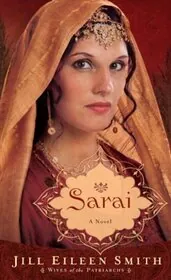
Sarai
by Jill Eileen Smith
2012
Beautiful and certain of her future, Sarai promises Abram an heir and assumes the waiting will be short. Instead she faces years of barrenness, jealousy, and the dangerous urge to force God's promise herself.

Rebekah
by Jill Eileen Smith
2013
After her father's death, Rebekah finds herself at the mercy of her brother Laban and a future going nowhere. Marriage to Isaac offers hope, but love alone may not heal the misunderstandings that grow between them.

Rachel
by Jill Eileen Smith
2014
Jacob arrives at Laban's household dreaming of a future with Rachel, but deceit turns that hope into a tangled marriage with two sisters. Love, jealousy, and the fight for children drive this deeply personal family saga.
Wives of the Patriarchs books in chronological order
Series background & context
Wives of the Patriarchs reads like a family saga stretched across generations. Rather than treating Abraham, Isaac, and Jacob as distant giants of faith, Jill Eileen Smith centers the women whose lives were bound up with them and with the covenant promises carried through their households. The books move from Mesopotamia to Canaan and beyond, through long journeys, tents, wells, servants, flocks, family bargains, and the kind of waiting that can shape a whole life.
Think tents, wells, long journeys, and promises that take forever.
Sarai begins with youthful certainty. Sarai is beautiful, loved, and confident enough to make promises about the future, but marriage to Abram brings uncertainty almost at once. The great emotional strain in that book comes from barrenness, longing, and the temptation to force an answer when God's timing feels painfully slow. It sets the pattern for the series, where faith is real but never easy, and private decisions can ripple through generations.
Rebekah passes the story to the next generation and shows a different kind of trouble. Rebekah leaves home to marry Isaac with genuine hope, but hope does not protect a marriage from hurt, silence, or misunderstanding. The world of the book is shaped by kinship and inheritance, by the authority families hold over marriage choices, and by the quiet damage that can grow when people stop speaking honestly to each other.
Rachel widens the emotional field even more. Rachel, Leah, and Jacob are trapped inside one of Genesis's most painful arrangements, a marriage born in deception and then lived out through rivalry, longing, jealousy, and competition for children. Smith lets the domestic tensions do the heavy lifting here. The question is not just who is loved most. It is what favoritism, disappointment, and ambition do to a family that is supposed to carry a promise.
No promise arrives in a hurry.
That is really the heartbeat of the whole series. Each book passes the story to the next generation, so the ongoing tension keeps building: who will carry the promise, what will faithfulness look like, and how much damage can fear or impatience do inside a home? The tone is intimate rather than grand, even when the stakes are huge. If you like biblical retellings that feel like a multi-generation family drama, with strong emotional threads and a clear sense of place, this series is one of Smith's best straight-through reads.












Edited by
Software engineer whose passion for tracking book recommendations from podcasts inspired the creation of MRB.
Lead investor at 3one4 Capital whose startup expertise and love for books helped shape MRB and its growth.
Comments
Did we miss something? Have feedback?
Help us improve this page by sharing your thoughts