
Daniel Defoe Books in Order
Browse Daniel Defoe books in order, with short summaries, series guides, and where to start, from Robinson Crusoe to his novels, travel books, and pamphlets.
Last updated:
As an Amazon Associate, we earn from qualifying purchases (at no extra cost to you).
Daniel Defoe books in publication order
61 books
The Complete English Tradesman
by Daniel Defoe
1627
Part manual and part moral guide, this book advises shopkeepers and merchants on credit, letters, reputation, and daily conduct. Defoe treats trade as practical work, but also as a test of character.

An Essay upon Projects
by Daniel Defoe
1697
Defoe imagines ways to improve public life, from insurance and pensions to roads and education. The book is full of schemes, but its real pleasure is seeing how practical and inventive his mind could be.
The Master Mercury
by Daniel Defoe
1704
This brief news periodical shows Defoe working in fast, argumentative prose about politics, foreign affairs, and public life. It offers a snapshot of him as a journalist learning how to shape events week by week.
The Consolidator
by Daniel Defoe
1705
Defoe sends his narrator on a journey to the moon and uses the fantasy to mock politics back on earth. It is odd, playful, and surprisingly early as a blend of satire and speculative fiction.
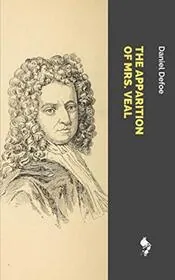
The Apparition of Mrs. Veal
by Daniel Defoe
1706
An old friend appears for a quiet visit, only for the encounter to reveal something far stranger. The tale is short, calm, and eerie, building its effect through ordinary conversation and careful detail.
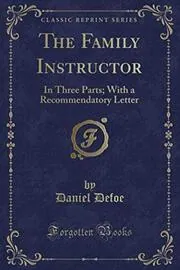
The Family Instructor
by Daniel Defoe
1715
Using dialogues and domestic examples, Defoe writes about duties between parents and children, masters and servants, and husbands and wives. It is a conduct book, but one with the pull of household drama.
Further Adventures of Robinson Crusoe
by Daniel Defoe
1719
Crusoe cannot stay home for long. This sequel sends him back toward his island and then across the wider world, trading the tight castaway story for a larger, more restless travel narrative.
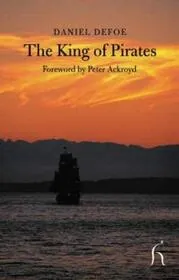
The King of Pirates
by Daniel Defoe
1719
Framed around the pirate captain Avery, this short rogue narrative mixes sea action with a criminal's own swaggering defense of himself. Defoe is interested in daring, but also in the habits that make piracy possible.
The Life and Most Surprising Adventures of Robinson Crusoe, of York, Mariner
by Daniel Defoe
1719
Shipwrecked on a remote island, Crusoe survives by labor, record-keeping, stubborn ingenuity, and faith that comes and goes. The arrival of Friday turns solitude into a different kind of test.
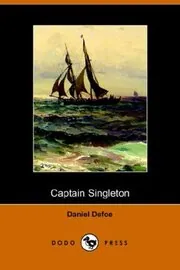
Captain Singleton
by Daniel Defoe
1720
Kidnapped as a child, Singleton crosses Africa, turns pirate, and chases fortune across sea and land. The book is full of movement, but its real interest lies in how greed and conscience keep colliding.
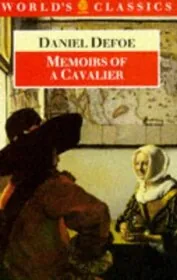
Memoirs of a Cavalier
by Daniel Defoe
1720
Presented as a soldier's memoir, this novel moves through the Thirty Years' War and the English Civil War with plainspoken detail. Defoe makes battles, marches, and political loyalties feel immediate and personal.
The third Crusoe book leaves adventure behind and turns inward. Written in Crusoe's voice, it gathers essays on solitude, Providence, religion, and conduct, showing the moral thinking that always sat under the island story.
A Journal of the Plague Year
by Daniel Defoe
1722
Told through the voice of H.F., this haunting account follows London during the 1665 epidemic as death counts rise and daily habits break down. Defoe blends documentary detail with the pressure of lived experience.
Colonel Jack
by Daniel Defoe
1722
A street child raised among thieves drifts from crime to transportation, trade, and military life, always chasing the status of a gentleman. It is a restless coming-of-age story about survival, money, and self-invention.

History of the Plague in London
by Daniel Defoe
1722
Defoe rebuilds plague-stricken London street by street, showing fear, rumor, quarantine, and the grim routines of survival. It feels uncannily immediate, with the city itself becoming the main character.

Moll Flanders
by Daniel Defoe
1722
Born in prison and pushed by poverty, Moll reinvents herself again and again through marriage, fraud, and theft. Defoe makes her shrewd, funny, and hard to dismiss, even when her choices keep getting worse.
A General History of the Pyrates
by Daniel Defoe
1724
This famous collection gathers vivid lives of sea robbers, including some of the best-known figures of the age. It helped fix the popular image of pirates as brutal, theatrical, and strangely rule-bound.
A Tour Through the Whole Island of Great Britain
by Daniel Defoe
1724
Defoe circles Britain as a practical observer, recording cities, coastlines, industries, and local habits. It is a travel book with the mind of a journalist and the eye of a trader.

Roxana
by Daniel Defoe
1724
A woman abandoned by her husband remakes herself through wealth, performance, and calculated dependence on powerful men. As Roxana rises, the novel keeps asking what success costs when survival turns into moral drift.
The History of the Remarkable Life of John Sheppard
by Daniel Defoe
1724
Defoe recounts the career of the notorious thief Jack Sheppard, especially the prison escapes that made him a sensation. The book moves quickly between crime report, moral warning, and fascination with outlaw daring.
The Pirate Gow
by Daniel Defoe
1725
A fast-moving account of pirate John Gow, from mutiny and raiding to pursuit and collapse. Defoe keeps the action tight while showing how quickly greed and violence eat through a crew.
A Plan of the English Commerce
by Daniel Defoe
1726
Defoe lays out how British trade works and where national wealth really comes from, with special attention to labor, manufacturing, and wool. It is practical, patriotic, and deeply interested in economic systems.
The Political History of the Devil
by Daniel Defoe
1726
Half theology, half satire, this book traces the Devil through scripture, legend, and human history. Defoe is serious and playful at once, using the subject to think about evil, belief, and folly.

An Essay On The History And Reality Of Apparitions
by Daniel Defoe
1727
Defoe takes ghosts, spirits, angels, and devils seriously enough to argue about them at length. The book sits between theology and supernatural speculation, always asking what belief should rest on.

Conjugal Lewdness, or Matrimonial Whoredom
by Daniel Defoe
1727
Under its blunter original title, Defoe argues that marriage can be corrupted by selfish appetite as easily as any other bond. It is severe, moralizing, and unusually direct about sex, duty, and restraint.

Augusta Triumphans
by Daniel Defoe
1728
A project book for London, this pamphlet proposes fixes for crime, education, public order, and city life. Defoe writes like a restless civic reformer who thinks every urban problem can be tackled.

A Letter to the Dissenters
by Daniel Defoe
1731
A sharp intervention in church politics, this letter urges Protestant Dissenters to think carefully about alliances, toleration, and party strategy. Defoe writes as a partisan who mistrusts easy slogans.
The History of the Life and Adventures of Mr. Duncan Campell
by Daniel Defoe
1904
A strange biographical narrative about Duncan Campbell, a deaf and mute man famed for reading strangers and predicting fortunes. Defoe uses his story to explore superstition, celebrity, and the uneasy border between reason and wonder.

Selected Prose and Poetry
by Daniel Defoe
1968
A wide-ranging sampler of Defoe's fiction, journalism, essays, and verse. It is a good way to see how the same writer could move from pirates and plagues to politics, trade, and satire.

The True-Born Englishman and Other Writings
by Daniel Defoe
1997
Centered on Defoe's famous satirical poem, this volume shows him attacking xenophobia and political cant with speed and bite. The additional pieces broaden the picture of him as a public controversialist.
Tour through Eastern Counties of England, 1722
by Daniel Defoe
1997
This eastern circuit takes Defoe through Essex, Suffolk, Norfolk, and nearby counties, with a close eye on markets, rivers, farms, and towns. It is travel writing built from curiosity, commerce, and detail.

An Essay on the Original of Literature
by Daniel Defoe
2007
Defoe turns from politics to first principles, asking where writing and literature begin and what they are for. It is an unusual mix of linguistic curiosity, religious thought, and cultural argument.
A Tour Through England and Wales - Volume I.
by Daniel Defoe
2008
Defoe travels through towns, ports, and countryside, noting roads, trade, customs, and local wealth. The result is less a personal diary than a sharp survey of how the country worked on the ground.
Chronicles and Characters of the Stock Exchange
by Daniel Defoe
2008
A lively look at the rise of Exchange Alley, its speculators, scandals, and larger-than-life operators. Part history and part character sketch, it shows Defoe's fascination with money, risk, and public frenzy.

Short Works of Daniel Defoe
by Daniel Defoe
2008
This collection gathers shorter pieces that show Defoe at his quickest and most various. Expect pamphlet energy, sharp observation, and a voice equally at home in argument, anecdote, and storytelling.

An essay upon loans
by Daniel Defoe
2010
Defoe argues that solid public credit and parliamentary funds can still bring money into the Exchequer. It is a short, forceful piece about confidence, finance, and the mechanics of state borrowing.

And What if the Pretender Should Come? Or, some considerations of the advantages and real consequences of the Pretender's possessing the crown of Great-Britain.
by Daniel Defoe
2010
Written during the Jacobite succession crisis, this tract imagines the consequences of the Pretender taking the British crown. Defoe uses the question to warn readers about absolutism, debt, religion, and political panic.

The Defection Farther Consider'd
by Daniel Defoe
2010
A reply tract from the thick of party conflict, this pamphlet pushes back against charges of betrayal and shifting loyalties. Defoe's gift for fast political argument is on full display.
Mother Ross
by Daniel Defoe
2011
This brisk life of Christian Davies follows a woman who disguised herself as a man and served as a soldier in wartime Europe. Defoe leans into the danger, grit, and sheer oddity of her career.

Defoe looks at campaigns against vice from the poor man's side, asking how proclamations and punishments fall on ordinary people. It is a moral pamphlet, but also a social one.

Defoe makes the case that war will serve British interests and strengthen its allies. The pamphlet turns strategy, trade, and national confidence into plainspoken political persuasion.

A Collection of the Writings of the Author of the True-Born English-Man
by Daniel Defoe
2013
This gathering of early pieces shows the range of the writer who made his name with political satire. It brings together Defoe's public voice at its most combative and topical.

Faults on Both Sides, Or, an Essay Upon the Original Cause Progress and Mischievous Consequences of the Factions in This Nation
by Daniel Defoe
2015
Defoe tries to cool factional fury by showing how rival parties help create the disorder they condemn. It is less a neutral truce than a hard shove toward moderation.

Mere Nature Delineated
by Daniel Defoe
2015
Prompted by the case of Peter the Wild Boy, Defoe asks what separates human nature from animal life and social habit. The pamphlet is strange, speculative, and deeply interested in reason and language.

The History of the Union Between England and Scotland
by Daniel Defoe
2015
Defoe follows the long argument and negotiation that led to Union, explaining both the politics and the passions around it. It is a detailed record of a nation being remade.

The Judgment of Whole Kingdoms and Nations
by Daniel Defoe
2015
This political tract weighs the rights of rulers against the rights of the people. It argues that government rests on more than royal will and pushes readers toward constitutional thinking.

An Essay at Removing National Prejudices Against a Union with Scotland. to Be Continued During the Treaty Here
by Daniel Defoe
2016
Written during the Union debates, this pamphlet argues against suspicion and resentment between England and Scotland. Defoe presses the political case by first trying to lower the temperature.

The History of the Kentish Petition
by Daniel Defoe
2016
Defoe recounts the clash over the famous Kentish Petition and what it revealed about Parliament, public opinion, and national duty. It is a small episode made to feel politically decisive.

A Treatise Concerning the Use and Abuse of the Marriage Bed
by Daniel Defoe
2017
A stern, often startling conduct book about marriage, sex, and mutual duty. Defoe argues that married life should be shaped by conscience and respect, not appetite alone.

The True-Born Englishman
by Daniel Defoe
2017
In quick, mocking verse, Defoe attacks the idea of racial purity and defends William III against xenophobic abuse. The poem remains sharp because its target is a very familiar kind of prejudice.

An Apology for the Army in a Short Essay on Fortitude, &C
by Daniel Defoe
2018
Defoe defends the army by turning the discussion toward courage, discipline, and public service. It is both a reply to critics and a meditation on what fortitude should mean.

Memoirs of the Honourable Col. Andrew Newport
by Daniel Defoe
2018
Presented as the recollections of a gentleman soldier, this piece uses a first-person military voice to bring public events close to the ground. Defoe's trademark realism makes it read like recovered history.

Reflections Upon a Late Scandalous and Malicious Pamphlet Entitul'd, the Shortest Way with the Dissenters, or Proposals for the Establishment of the Church
by Daniel Defoe
2018
This answer to the uproar around The Shortest Way with the Dissenters turns pamphlet war into argument about misreading, church politics, and bad faith. Defoe is defensive, but never dull.
Religious Courtship
by Daniel Defoe
2018
Defoe treats marriage as a spiritual choice as much as a social one, urging readers to seek a partner who shares their faith and habits. The book mixes advice, warnings, and illustrative cases.

The Shortest Way with the Dissenters
by Daniel Defoe
2018
One of Defoe's most dangerous satires, this pamphlet mimics a High Church extremist so closely that many readers took it at face value. The joke landed hard, and on Defoe himself.

The Villainy of Stock-Jobbers Detected, and the Causes of the Late Run Upon the Bank and Bankers Discovered and Considered
by Daniel Defoe
2018
Defoe tears into speculators and brokers he sees as feeding panic around the bank and wider credit system. It is angry, specific, and strikingly modern about market manipulation.

Vindication of the Honour and Justice of His Majesty's Government
by Daniel Defoe
2018
A straight-ahead defense of the crown and its ministers, this pamphlet argues that the government's conduct has been misrepresented by its enemies. Defoe writes like a man used to fighting in print.

Defoe revisits the aftermath of the Monmouth rising, collecting trials, punishments, and official actions under Judge Jeffreys and others. It is a grim record of rebellion answered with exemplary force.
An Ecclesiastical History of Scotland
by Daniel Defoe
2019
Defoe traces the Church of Scotland from the days of Mary, Queen of Scots to the Union, following disputes over worship, power, and national identity. It is history told with a strong feel for argument and consequence.
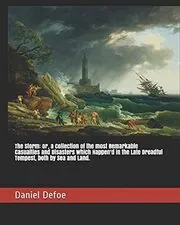
The Storm
by Daniel Defoe
2019
Part report, part eyewitness archive, this book gathers accounts of the Great Storm of 1703 and the wreckage it left behind. Defoe turns disaster into urgent, vivid journalism long before the form had a settled name.
Robinson Crusoe
by Daniel Defoe
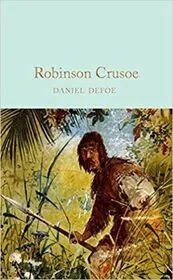
Shipwrecked on an isolated island, Robinson Crusoe salvages supplies and builds a life through farming, ingenuity, and religious reflection. His struggle with solitude changes when signs of other people appear, bringing both danger and the possibility of companionship.
Recommended by
1 person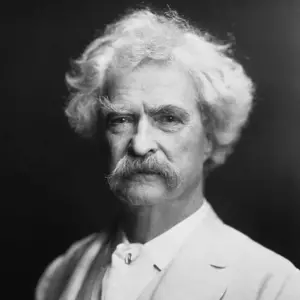 Mark Twain recommended this book
Mark Twain
Mark Twain recommended this book in a letter.
Mark Twain's recommendation of this book
Where to start with Daniel Defoe
If you want the book everyone knows: The Life and Most Surprising Adventures of Robinson Crusoe, of York, Mariner → Further Adventures of Robinson Crusoe → Serious Reflections During the Life and Surprising Adventures of Robinson Crusoe
If you want vivid historical fiction: A Journal of the Plague Year → Moll Flanders → Roxana
If you like rogues and criminals: Captain Singleton → Colonel Jack → Moll Flanders
If you want Defoe the observer: The Storm → A Tour Through the Whole Island of Great Britain → The Complete English Tradesman
Daniel Defoe sub-series and character series
Robinson Crusoe books in order
Explore this series
The Life and Most Surprising Adventures of Robinson Crusoe, of York, Mariner
by Daniel Defoe
1719Robinson Crusoe, Book 1
Serious Reflections During the Life and Surprising Adventures of Robinson Crusoe
by Daniel Defoe
1720Robinson Crusoe, Book 3
Robinson Crusoe books in chronological order
The Life and Most Surprising Adventures of Robinson Crusoe, of York, Mariner
by Daniel Defoe
1719Robinson Crusoe, Book 1Serious Reflections During the Life and Surprising Adventures of Robinson Crusoe
by Daniel Defoe
1720Robinson Crusoe, Book 3
Daniel Defoe collections, short stories, and related book types
Collections
Non-Fiction
Pamphlets/Essays
Standalone Daniel Defoe books
Author bio
Daniel Defoe was born in London around 1660, the son of James Foe, a prosperous Dissenter who worked as a tallow chandler and may later have been a butcher. By his middle thirties Daniel was using the name Defoe, but the city that formed him stayed at the center of his imagination: crowded, commercial, anxious, and always arguing about religion and power.
He studied at the academy run by Charles Morton at Newington Green, because as a Dissenter he could not take the usual university route. The education was broad, with room for languages, history, geography, and practical subjects, and it seems to have suited him. He was once meant for the Presbyterian ministry, but he turned instead to trade.
Trade mattered to him for the rest of his life. As a merchant he dealt in a wide range of goods, traveled, watched markets closely, and learned how credit, shipping, and risk shaped everyday life. In 1684 he married Mary Tuffley, the daughter of a Dissenting merchant, and together they had eight children, six of whom lived to adulthood. He went bankrupt in 1692 and spent years paying back what he could, a hard experience that helps explain why debt, profit, and self-justification show up so often in his books.
Politics pulled him just as hard as business. He joined the Duke of Monmouth's failed rebellion against James II, later backed William III, and became one of the sharpest pamphlet writers in England. The True-Born Englishman made him famous for attacking xenophobia, while The Shortest Way with the Dissenters was so convincing as satire that it helped send him to the pillory and then to Newgate.
He kept going. After his release he worked for Robert Harley, carried out intelligence work, traveled in Scotland during the Union debates, and wrote the Review almost single-handedly for years. That long apprenticeship in journalism helps explain why even his fiction often sounds like first-hand testimony.
Then, in his late fifties, he started over.
In 1719 he published The Life and Most Surprising Adventures of Robinson Crusoe, of York, Mariner, drawing on travel writing and castaway stories and turning them into something larger. The success was enormous. He followed it with books like Captain Singleton, Moll Flanders, Colonel Jack, A Journal of the Plague Year, and Roxana, each told in a voice so practical and specific that the stories often feel half reported and half confessed. Readers still tend to like that plainness, especially the sense that every detail has been handled, counted, or witnessed.
He was never only a novelist. The Storm turned a natural disaster into a collage of eyewitness accounts. A Tour Through the Whole Island of Great Britain shows him as an endlessly observant traveler. The Political History of the Devil and An Essay On The History And Reality Of Apparitions reveal how seriously he took the supernatural, even when he argued about it in brisk, matter-of-fact prose.
Defoe liked people on the move: sailors, thieves, merchants, servants, soldiers, runaways, and strivers trying to talk themselves through disaster.
His later years were as tangled as the rest of his life. He kept publishing through failing health and legal trouble, and it is widely thought that he died in London on April 24, 1731, while hiding from creditors. The man who created Crusoe's island spent very little of his own life standing still.

Edited by
Software engineer whose passion for tracking book recommendations from podcasts inspired the creation of MRB.
Lead investor at 3one4 Capital whose startup expertise and love for books helped shape MRB and its growth.
Comments
Did we miss something? Have feedback?
Help us improve this page by sharing your thoughts