
Danica McKellar Books in Order
Browse Danica McKellar books in order, with quick summaries, age-based picks, and simple guidance on where to start with her playful math books.
Last updated:
As an Amazon Associate, we earn from qualifying purchases (at no extra cost to you).
Danica McKellar books in publication order
11 books
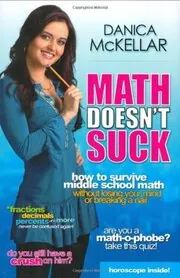
Math Doesn't Suck
by Danica McKellar
2007
Written for middle schoolers, parents, and teachers, this book tackles the topics that often trip kids up first, especially fractions, decimals, and percents. McKellar's goal is simple, make math feel understandable, useful, and much less scary.
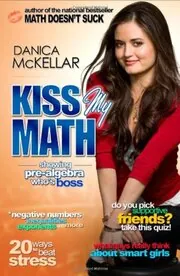
Kiss My Math
by Danica McKellar
2008
Aimed at students moving into pre-algebra, this book breaks down variables, exponents, absolute values, and graphing with humor and step-by-step help. McKellar pairs the lessons with quizzes, stories, and confidence boosts.
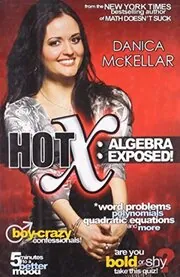
Hot X
by Danica McKellar
2009
This guide tackles Algebra I head-on, covering square roots, polynomials, quadratics, and word problems in McKellar's chatty style. It's meant to lower the panic level while giving teens practical tools for class and homework.
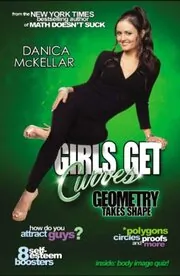
Girls Get Curves
by Danica McKellar
2012
McKellar takes on high school geometry with clear explanations, practice problems, and real-world examples. From triangles to proofs, the book is designed to make a class many students dread feel manageable.
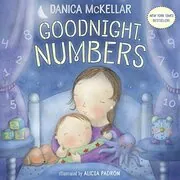
Goodnight, Numbers
by Danica McKellar
2017
This bedtime counting book invites little ones to say goodnight to the numbered things around them, from wheels to paws. It is calm, cozy, and quietly builds number recognition into the nightly routine.
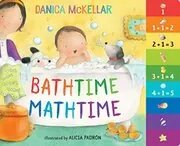
Bathtime Mathtime
by Danica McKellar
2018
A family bath routine becomes a counting game as toddlers spot feet, ducks, bubbles, and more. The board book slips early number practice into a familiar nightly ritual without losing the fun.
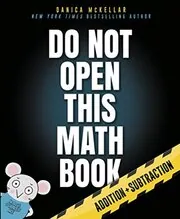
Do Not Open This Math Book
by Danica McKellar
2018
Danica McKellar and the reluctant Mr. Mouse make addition and subtraction feel playful instead of intimidating. Packed with jokes, cartoons, and everyday examples, it helps early readers build a solid math foundation.
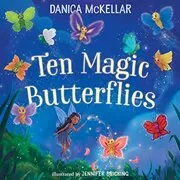
Ten Magic Butterflies
by Danica McKellar
2018
Ten flowers dream of becoming butterflies, and their transformations show kids the many ways numbers can add up to ten. It's a gentle fantasy story with a smart early-math idea at its heart.
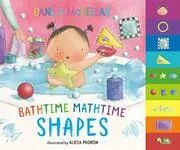
Bathtime Mathtime
by Danica McKellar
2019
This bath-time follow-up turns the tub into a shapes hunt, helping toddlers spot circles, squares, and more in everyday play. It's short, cheerful, and built for read-aloud repetition.
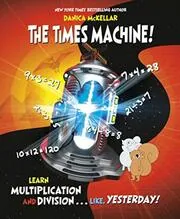
The Times Machine!
by Danica McKellar
2020
Mr. Mouse and Ms. Squirrel lead kids through a time-travel adventure built to make multiplication and division stick. Silly rhymes, stories, and visual tricks turn memorizing times tables into something much less painful.
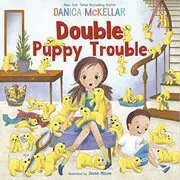
Double Puppy Trouble
by Danica McKellar
2022
Moxie Jo finds a magic stick that doubles everything, and suddenly one puppy turns into chaos. It's a funny way to introduce doubling while sneaking in a lesson about gratitude and knowing when more is too much.
Where to start with Danica McKellar
If you want middle school basics first: Math Doesn't Suck → Kiss My Math
If algebra is the next hurdle: Kiss My Math → Hot X
If geometry is the class causing stress: Girls Get Curves
If you're reading with younger kids at bedtime: Goodnight, Numbers → Ten Magic Butterflies → Bathtime Mathtime
If you want playful early elementary practice: Double Puppy Trouble → Do Not Open This Math Book → The Times Machine!
Danica McKellar collections, short stories, and related book types
Non-Fiction
Picture Books
Author bio
Danica McKellar was born in La Jolla, California, in 1975 and moved to Los Angeles with her family when she was still a kid. Most people first met her as Winnie Cooper on The Wonder Years, a role that made her part of many 1990s childhoods. While she was acting, school stayed central, which helps explain the shape her career would take later.
Math never left the picture.
After the show ended, she went to UCLA and graduated summa cum laude with a degree in mathematics in 1998. In college she also coauthored research that became the Chayes-McKellar-Winn theorem, one of those facts that still makes people do a double take. She had gone in thinking about writing and directing, but math pulled harder.
Her path into publishing grew out of that work. After speaking to Congress about the way many girls start backing away from math in middle school, and after news coverage of her theorem brought attention from literary agents, she was encouraged to write a book that could actually help kids through the rough parts. That became Math Doesn't Suck in 2007, a guide built around fractions, decimals, percents, and the idea that being smart is nothing to hide. It was a very Danica McKellar move, practical, upbeat, and a little unexpected.
She kept going with Kiss My Math, Hot X, and Girls Get Curves, moving readers from pre-algebra to algebra to geometry. What readers tend to like about these books is that she doesn't sound like a distant expert handing down rules. She sounds like someone who remembers what it feels like to freeze up over homework, then calmly walks you through it. The examples are everyday, the tone is chatty, and the aim is confidence as much as correct answers.
Then she turned to younger readers. Goodnight, Numbers brought counting into bedtime, Ten Magic Butterflies played with ways to make ten, and books like Bathtime Mathtime, Do Not Open This Math Book, Double Puppy Trouble, and The Times Machine! carried the same friendly approach into early elementary math. One of the nice things about her shelf is how clearly it grows with the child.
The themes stay steady across all of it. She writes about math as something learnable, useful, and woven into daily life, not as a test of who is naturally gifted. She has spent years pushing back on the old message that girls should shrink themselves or act less capable, and that mission gives the books their backbone.
She never really chose between Hollywood and homework.
McKellar has kept acting alongside her writing, with roles in television, voice work, and a long run of holiday movies. At the same time, her McKellar Math books have grown into a full line for readers from toddlers to teens, with more than two million copies in print. Goodnight, Numbers was also selected for Dolly Parton's Imagination Library, which feels like a good fit for a writer who wants books to be both comforting and useful. These days, she still seems to be doing the same two things that have defined her for years, telling stories and making math feel less intimidating. That mix is the key to her appeal. She didn't just become a spokesperson for the subject, she built books that meet readers where they are, then nudge them forward.




Edited by
Software engineer whose passion for tracking book recommendations from podcasts inspired the creation of MRB.
Lead investor at 3one4 Capital whose startup expertise and love for books helped shape MRB and its growth.
Comments
Did we miss something? Have feedback?
Help us improve this page by sharing your thoughts