
Commissario Alec Blume Books in Order
Part ofConor Fitzgerald Books in OrderSee the Commissario Alec Blume series by Conor Fitzgerald in order, with short summaries, series background, and tips on the best place to start.
Last updated:
As an Amazon Associate, we earn from qualifying purchases (at no extra cost to you).
Commissario Alec Blume books in publication order
6 books
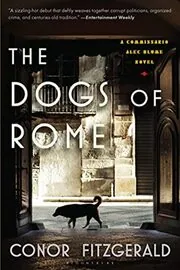
The Dogs Of Rome
by Conor Fitzgerald
2010
A Roman animal-rights activist is butchered in his apartment, and Alec Blume arrives to find the case already being managed from above. As politics, organized crime, and police pressure close in, simple justice starts to look impossible.
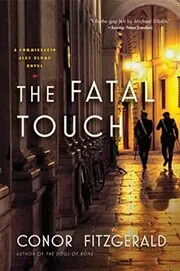
The Fatal Touch
by Conor Fitzgerald
2011
What looks like a mugging death leads Blume into the world of forged Old Master paintings, shady dealers, and corrupt officials. The case tests his instincts and opens the door for Caterina Mattiola to become a key part of the series.
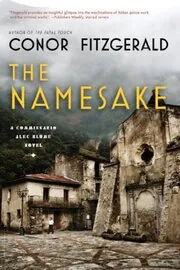
The Namesake
by Conor Fitzgerald
2011
When a dead Milanese insurance man is dumped outside Rome's court buildings, the killing reads like a message to a magistrate with the same name. Blume and Caterina are pulled toward the Calabrian mafia and a far bigger threat.
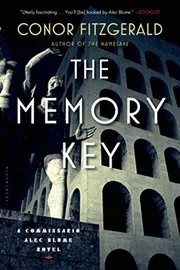
The Memory Theater aka The Memory Key
by Conor Fitzgerald
2013
A shooting at a university lab and an attack on an aging terrorist seem to share the same hidden center. Blume follows a trail of memory techniques, old political violence, and present-day lies, while his life with Caterina frays.
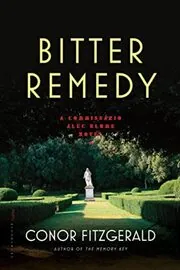
Bitter Remedy
by Conor Fitzgerald
2014
On leave, sick, and trying to escape trouble at home, Blume retreats to a villa in central Italy for a natural remedies course. Instead he gets drawn into the disappearance of a young Romanian woman and the villa's darker history.

Cardinal Witness
by Conor Fitzgerald
2017
The sixth Alec Blume novel pulls Rome's stubborn commissario back into a case shaped by secrecy, pressure, and divided loyalties. Even without easy answers, Fitzgerald keeps the focus on Blume's instincts and the city's murky idea of justice.
Commissario Alec Blume books in chronological order
Series background & context
At the center of the Commissario Alec Blume books is a detective who fits Rome and does not fit it at the same time. Alec Blume was born in the United States, came to Rome as a teenager, and stayed after his parents were killed there. By the time the series opens, he is a senior police officer with a Roman accent, a sharp eye, and a habit of rubbing colleagues and superiors the wrong way.
That outsider-insider angle is the hook.
In The Dogs of Rome, Blume takes on a murder that quickly turns into a fight with political pressure, police rivalry, and organized crime. Later books keep shifting the kind of case while holding on to the same moral weather. The Fatal Touch moves through art forgery and the Roman gallery world. The Namesake brings in the Calabrian mafia. The Memory Theater aka The Memory Key reaches back to old terrorist violence, and Bitter Remedy pushes Blume into a more isolated, personal investigation away from the city.
Rome matters here as much as any character. These are not sightseeing mysteries. Fitzgerald uses ministries, piazzas, courts, shabby apartments, police offices, and out-of-the-way neighborhoods to show a city where history never really leaves and power rarely sits in one place. The setting gives the books their special mood. Sunlight is there, but so are delays, half-truths, favors, and systems that seem built to blur responsibility.
Blume himself is not a tidy hero. He is smart, stubborn, suspicious of authority, and often hard on the people who care about him. He keeps going when a wiser detective might back off. That makes him useful, but it also makes him lonely. One of the strongest threads in the series is his relationship with Caterina Mattiola, who begins as a younger colleague and grows into both a partner in police work and a central figure in his private life. Their uneasy connection gives the books a human center that deepens as the series goes on.
Easy justice is not really the point.
What links these novels is the sense that every investigation opens onto something bigger than the body on the floor. Fitzgerald is interested in the way crime touches politics, bureaucracy, class, old ideology, and the everyday compromises people make to get by. The tone is serious, observant, and often moody, but not joyless. There is dry humor in Blume's voice, and there is real pleasure in watching him notice what other people miss.
If you like police procedurals with a strong sense of place, this series is a good bet. Start with The Dogs of Rome if you want the full arc. Read on for the way the books widen, from street crime to art fraud, mafia intimidation, terrorism's long shadow, and the private damage that follows a detective home. By the time you reach Cardinal Witness, the appeal is clear, these novels are as much about how Rome works, or fails to, as they are about who committed the crime.










Edited by
Software engineer whose passion for tracking book recommendations from podcasts inspired the creation of MRB.
Lead investor at 3one4 Capital whose startup expertise and love for books helped shape MRB and its growth.
Comments
Did we miss something? Have feedback?
Help us improve this page by sharing your thoughts