
Conor Fitzgerald Books in Order
Explore Conor Fitzgerald books in order, with Alec Blume reading order, quick summaries, series background, and straightforward advice on where to start.
Last updated:
As an Amazon Associate, we earn from qualifying purchases (at no extra cost to you).
Conor Fitzgerald books in publication order
6 books
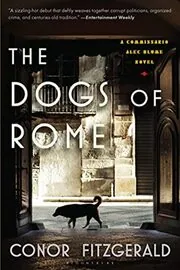
The Dogs Of Rome
by Conor Fitzgerald
2010
A Roman animal-rights activist is butchered in his apartment, and Alec Blume arrives to find the case already being managed from above. As politics, organized crime, and police pressure close in, simple justice starts to look impossible.
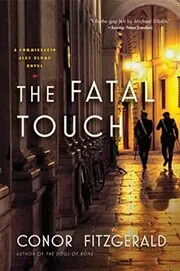
The Fatal Touch
by Conor Fitzgerald
2011
What looks like a mugging death leads Blume into the world of forged Old Master paintings, shady dealers, and corrupt officials. The case tests his instincts and opens the door for Caterina Mattiola to become a key part of the series.
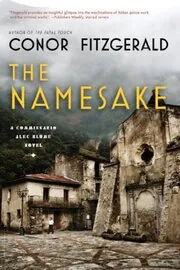
The Namesake
by Conor Fitzgerald
2011
When a dead Milanese insurance man is dumped outside Rome's court buildings, the killing reads like a message to a magistrate with the same name. Blume and Caterina are pulled toward the Calabrian mafia and a far bigger threat.
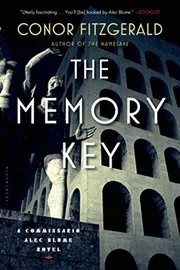
The Memory Theater aka The Memory Key
by Conor Fitzgerald
2013
A shooting at a university lab and an attack on an aging terrorist seem to share the same hidden center. Blume follows a trail of memory techniques, old political violence, and present-day lies, while his life with Caterina frays.
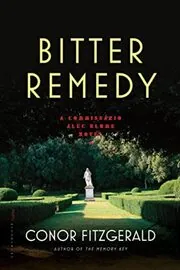
Bitter Remedy
by Conor Fitzgerald
2014
On leave, sick, and trying to escape trouble at home, Blume retreats to a villa in central Italy for a natural remedies course. Instead he gets drawn into the disappearance of a young Romanian woman and the villa's darker history.

Cardinal Witness
by Conor Fitzgerald
2017
The sixth Alec Blume novel pulls Rome's stubborn commissario back into a case shaped by secrecy, pressure, and divided loyalties. Even without easy answers, Fitzgerald keeps the focus on Blume's instincts and the city's murky idea of justice.
Where to start with Conor Fitzgerald
If you want the full Alec Blume story: The Dogs Of Rome → The Fatal Touch → The Namesake
If you like art crime and Roman intrigue: The Fatal Touch → The Namesake → The Memory Theater aka The Memory Key
If you want the darker, more personal books: The Memory Theater aka The Memory Key → Bitter Remedy → Cardinal Witness
Conor Fitzgerald sub-series and character series
Commissario Alec Blume books in order
Explore this seriesCommissario Alec Blume books in chronological order
Author bio
Conor Fitzgerald was born in Cambridge and grew up in Ireland, but the city most closely tied to his fiction is Rome. He moved there in 1989 and has stayed, building a working life that has included journalism, translation, teaching, and crime writing.
Rome got under his skin.
Before he published novels, Fitzgerald spent years close to the machinery of Italian public life. He worked as an arts editor, produced a current affairs journal for foreign embassies in Rome, and later helped found a translation company. He has also worked as a translator for Italian institutions, including the Italian Parliament, and has taught writing in Rome. That mix of language work and day to day exposure to bureaucracy, politics, and legal language shows up all through his fiction.
Writing was not the obvious path at first. Growing up with the writer and critic Seamus Deane as his father, Fitzgerald once pushed against the idea of becoming a writer himself. Later, he said he chose detective fiction partly because of that influence. Crime novels gave him room to write about justice, power, and compromise without pretending the world was tidy.
His breakthrough book was The Dogs of Rome in 2010. It introduced Alec Blume, an American-born police officer in Rome who knows the city well but never fits it in an easy way. Readers who click with Fitzgerald usually like that tension. The books are procedural on the surface, but they are really about pressure, motive, and what happens when institutions stop making moral sense.
The next run of Blume novels, The Fatal Touch, The Namesake, The Memory Theater aka The Memory Key, and Bitter Remedy, keeps widening the map. One book moves through forged paintings and the Roman art world. Another goes deep into the Calabrian mafia. Another reaches back to the years of political terrorism. Even when the cases change, Fitzgerald keeps returning to the same hard questions, who gets protected, who gets used, and what justice looks like in a country where official answers do not always settle much.
He is especially good at writing the Rome that sits beyond postcard scenery.
In Fitzgerald's books, the city is crowded with ministries, apartment blocks, back streets, old loyalties, and people who know how to wait each other out. His long life in Italy matters here. In interviews, he has talked about Italy as a place where ambiguity and non-resolution are built into public life, and that idea runs straight through the Alec Blume series. The investigations matter, but so do the systems around them, the police, the courts, the state, the church, and the criminal networks that keep pressing against all of them.
Fitzgerald still lives in Rome with his wife and their two children. He has continued to work in language and teaching alongside his fiction, which feels fitting. His novels are full of people listening badly, speaking carefully, translating motives, and trying to understand what is really being said. That may be one reason the Alec Blume books feel so lived-in. They come from a writer who has spent a long time paying attention to how a city talks, and what it hides when it does.



Edited by
Software engineer whose passion for tracking book recommendations from podcasts inspired the creation of MRB.
Lead investor at 3one4 Capital whose startup expertise and love for books helped shape MRB and its growth.
Comments
Did we miss something? Have feedback?
Help us improve this page by sharing your thoughts