
Chinua Achebe Books in Order
Explore Chinua Achebe’s books and series in order, with short summaries and reading lists to help you find your next book and decide where to begin reading.
Last updated:
As an Amazon Associate, we earn from qualifying purchases (at no extra cost to you).
Chinua Achebe books in publication order
18 books
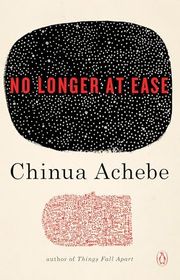
No Longer at Ease
by Chinua Achebe
1960
Returning to Nigeria after studying in England, Obi Okonkwo enters a civil service shaped by corruption and conflicting expectations. Family obligations, inherited traditions, and colonial institutions test his principles as the country moves toward independence.
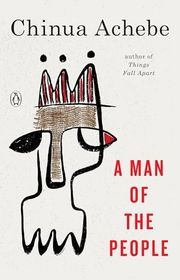
A Man of the People
by Chinua Achebe
1966
Idealistic teacher Odili visits his former instructor, now a charming but corrupt government minister. Their rivalry becomes both personal and political, drawing Odili into an election campaign that exposes the instability and moral compromises of their newly independent country.
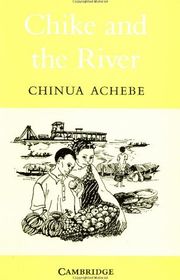
Chike and the River
by Chinua Achebe
1966
Eleven-year-old Chike longs to cross the Niger River but lacks the ferry fare. His efforts to earn the money lead through surprising adventures, and reaching the far bank brings challenges that test his courage and judgment.
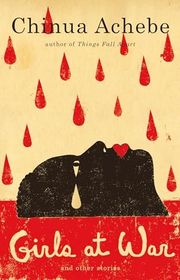
Girls at War and Other Stories
by Chinua Achebe
1972
Twelve stories explore African lives shaped by political change, daily pressures, and the disruption of war. Through varied characters and situations, Achebe examines the uneasy relationship between inherited customs, modern institutions, and personal choices.
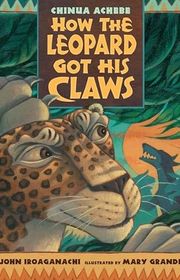
How the Leopard Got His Claws
by Chinua Achebe
1973
The animals once live peacefully under a gentle leopard’s leadership, until Dog uses his sharp teeth to seize power. The displaced leopard seeks weapons of his own, turning a struggle for shelter into a fable about force and freedom.

Morning Yet on Creation Day
by Chinua Achebe
1975
These essays examine the African writer’s responsibilities in a world shaped by colonialism. Achebe challenges Western approaches to African literature, considers writing in English, and explores how storytelling can help a society recover confidence in its own culture.
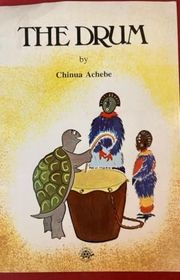
The Drum
by Chinua Achebe
1977
During a famine, Tortoise journeys into the spirit world and obtains a magical drum that produces food. Back among the hungry animals, he sees a chance to turn their gratitude into political power and make himself king.
The Flute
by Chinua Achebe
1977
A boy searching for his lost flute encounters spirits who reward his unselfish conduct. When his mother urges him to return and demand greater riches, their changed expectations bring a different outcome in this tale about generosity and greed.
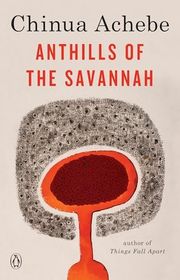
Anthills of the Savannah
by Chinua Achebe
1987
In the newly independent nation of Kangan, a military dictatorship strains the friendship between a cabinet minister, a newspaper editor, and the president. Loyalty becomes dangerous as criticism of the regime triggers a struggle over power and freedom.
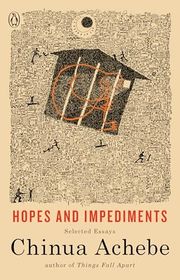
Hopes and Impediments
by Chinua Achebe
1988
Achebe considers literature’s place in society through essays and lectures written across more than two decades. He examines racism, cultural misunderstanding and the obstacles to equal dialogue between Africa and Europe, linking artistic expression with political and moral responsibility.
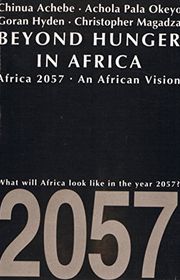
Beyond Hunger In Africa
by Chinua Achebe
1992
Drawing on a workshop about Africa’s future, this volume examines conventional development assumptions and alternative possibilities for the continent. Its contributors consider hunger within broader questions of population, agriculture, economics, and the kind of future Africans might create.
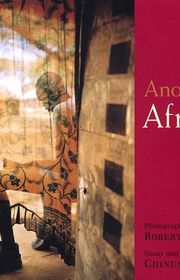
Another Africa
by Chinua Achebe
1998
Robert Lyons’s photographs join Achebe’s poems and essay in a portrait of contemporary Africa beyond familiar stereotypes. Everyday scenes and personal observations emphasize the continent’s people, cultural complexity and political realities rather than conventional images of wilderness.
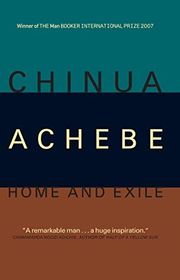
Home and Exile
by Chinua Achebe
2000
Drawing on his childhood and development as a writer, Achebe explores the effects of European power on African culture. Personal recollection becomes an argument about storytelling, representation and the right of African people to describe their own experience.
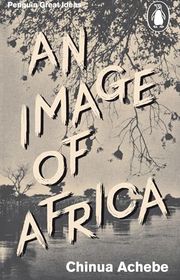
An Image of Africa
by Chinua Achebe
2002
Achebe challenges Joseph Conrad’s portrayal of Africans in Heart of Darkness and examines the stereotypes embedded in Western literature. The accompanying essay, The Trouble with Nigeria, turns to leadership and the political failures facing his own country.
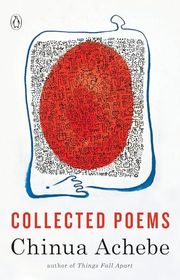
Collected Poems
by Chinua Achebe
2004
This collection brings together Achebe’s poetry on war, memory, love, and public life. Experiences of Biafra sit alongside reflections on everyday relationships and moral responsibility, revealing another expression of the concerns that animate his fiction.
The Education of a British-Protected Child
by Chinua Achebe
2009
Personal essays reflect on growing up in colonial Nigeria and being classified as a British Protected Person. Achebe considers family, literature, language and politics while questioning inherited definitions of Africa and the complicated cultural position colonialism created.
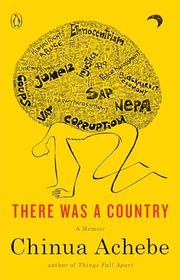
There Was a Country
by Chinua Achebe
2012
Achebe combines memoir, historical reflection and poetry to revisit Nigeria’s civil war and the secession of Biafra. His account explores a defining national tragedy through personal experience, political conflict and the lasting consequences of violence and hunger.
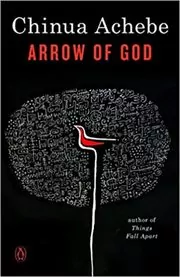
Arrow of God
by Chinua Achebe
Ezeulu, chief priest of a group of Igbo villages, confronts British colonial authority and Christian missionary influence in 1920s Nigeria. Conflicts within his community complicate his position, bringing religious duty, political power, and personal pride into tension.
Recommended by
1 person Chimamanda Ngozi Adichie recommended this book
Chimamanda Ngozi Adichie
"Complex and funny and interesting." - Chimamanda Ngozi Adichie
Where to start with Chinua Achebe
Colonialism and changing obligations: Arrow of God → No Longer at Ease
Political fiction: A Man of the People → Anthills of the Savannah
Essays and personal reflection: Home and Exile → The Education of a British-Protected Child → There Was a Country
Stories and poems: Girls at War and Other Stories → Collected Poems
Chinua Achebe sub-series and character series
African Trilogy books in order
Standalone Chinua Achebe books
Author bio
Chinua Achebe wrote novels, essays, poetry and stories that examined African societies from within their own histories and conflicts. Born in Ogidi, Nigeria, in 1930, he studied at University College Ibadan and worked in broadcasting before an academic career that included Bard College and Brown University. His writing brings colonial power, community obligations and political leadership into contact with individual choices.
His first novel was Things Fall Apart, published in 1958.
The books listed here offer several further entrances into his fiction. Arrow of God follows Ezeulu, a chief priest confronting British authority and Christian missionary influence while negotiating divisions within his own community. Religious duty and political power cannot be separated from pride or the demands other people make of him. It is a useful starting point for readers interested in the pressures colonial rule creates inside an established society.
No Longer at Ease moves to a different generation. Obi Okonkwo returns from education in Britain to a civil-service job in Nigeria, carrying ideals that must meet the circumstances of his working and personal life. Read beside Arrow of God, it shifts the emphasis from a community’s religious authority to a young man whose education has not resolved the demands placed on him.
The political novels sharpen that question of responsibility.
In A Man of the People, the charming politician Nanga and his former pupil Odili become rivals, with personal desires complicating the younger man’s idealism. Anthills of the Savannah follows Chris, Ikem and Beatrice under a military regime in the fictional country of Kangan. These books provide a route through Achebe’s concern with power after colonialism, where the problem is also how leaders and their critics behave toward the people around them.
He worked to make room for other writers as well, serving as editor of Heinemann’s African Writers Series. His own essays and reflections offer another part of that engagement. Home and Exile, Hopes and Impediments and The Education of a British-Protected Child sit alongside the novels, while Collected Poems and Girls at War and Other Stories give readers shorter forms.
There Was a Country combines memoir, historical reflection and poetry in an account of Nigeria’s civil war and Biafra. It brings national catastrophe into relation with personal experience, offering a different reading experience from the fictional politics of Kangan or the rivalry between Nanga and Odili.
Achebe received the Man Booker International Prize for his literary career in 2007 and died in Boston in March 2013. For readers choosing a first book from this list, Arrow of God opens onto colonial-era village life, No Longer at Ease onto education and competing obligations, and the later political novels onto the exercise and criticism of state power.






Edited by
Software engineer whose passion for tracking book recommendations from podcasts inspired the creation of MRB.
Lead investor at 3one4 Capital whose startup expertise and love for books helped shape MRB and its growth.
Comments
Spotted a missing book, a wrong order or a mistake? Tell us and we'll fix this page.
We're a reading guide, not the author or publisher, so we can't send books or pass on messages.