
Peter Ackroyd Books in Order
Explore Peter Ackroyd books in order, from London histories and biographies to novels, with short summaries, series background, and where to start.
Last updated:
As an Amazon Associate, we earn from qualifying purchases (at no extra cost to you).
Peter Ackroyd books in publication order
70 books

London Lickpenny
by Peter Ackroyd
1973
Ackroyd's early poetry pamphlet turns to London through allusion, street sound, and literary play. Even here, the city appears as his lasting subject, dense with voices, echoes, and old layers of language.
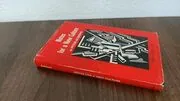
Notes for a New Culture
by Peter Ackroyd
1976
Written when Ackroyd was very young, this critical study takes on modernism and the literary culture around it. It already shows his appetite for argument, influence, and the afterlife of writers in English culture.

Country Life
by Peter Ackroyd
1978
An early poetry collection that plays with English landscape, manners, and literary voices in tight, experimental verse. It shows Ackroyd before the novels, already drawn to tradition, parody, and cultural memory.
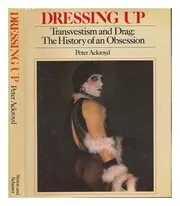
Dressing Up
by Peter Ackroyd
1979
An early study of cross-dressing, drag, and the social ideas built around them. Ackroyd mixes history, case studies, and cultural commentary in a book that shows his long interest in performance and identity.
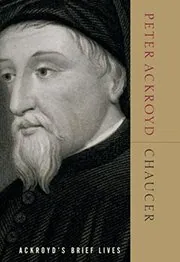
Chaucer
by Peter Ackroyd
1980
Ackroyd gives a brisk, vivid life of Geoffrey Chaucer, courtier, diplomat, and poet. He places Chaucer inside the rough, busy world of medieval England while opening a clear path into the work that made him famous.
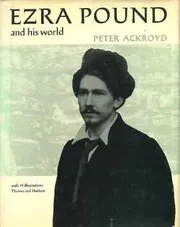
Ezra Pound and His World
by Peter Ackroyd
1980
A short, illustrated survey of Ezra Pound's life, work, and cultural setting. Ackroyd gives readers a quick route into the poet, the modernist circle around him, and the force of his literary influence.
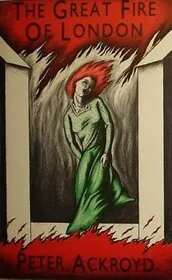
The Great Fire of London
by Peter Ackroyd
1982
A chaotic film adaptation of Little Dorrit pulls a group of modern Londoners into obsession, affair, and breakdown. Ackroyd's first novel turns Dickens, urban decay, and city talk into a sly portrait of contemporary London.
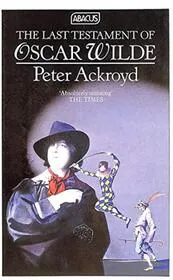
The Last Testament of Oscar Wilde
by Peter Ackroyd
1983
Written as a fictional diary, this novel imagines Oscar Wilde in Paris during his last months. Ackroyd borrows Wilde's wit and sadness to create a voice that feels intimate, theatrical, and sharply alive.
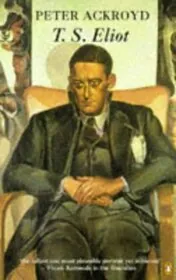
T.S. Eliot
by Peter Ackroyd
1984
Ackroyd's biography follows Eliot from American beginnings to English literary authority. It balances the poems, criticism, faith, marriage, and public career in a narrative that aims to make the difficult writer more human.
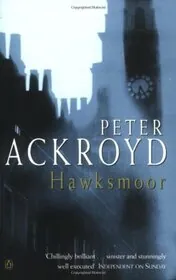
Hawksmoor
by Peter Ackroyd
1985
An eighteenth-century architect with dark designs and a modern detective hunting murders around London churches become tangled across time. It is eerie, clever, and deeply rooted in the city's architecture and shadows.
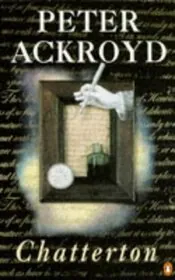
Chatterton
by Peter Ackroyd
1987
A struggling modern writer finds clues suggesting the dead poet Thomas Chatterton faked his death. What follows is a witty, haunted novel about forgery, plagiarism, failed lives, and the slippery line between art and fraud.
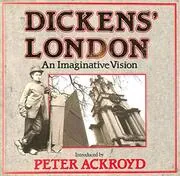
Dickens' London
by Peter Ackroyd
1987
A tour of the city Dickens knew and transformed into fiction, from streets and slums to theaters and public institutions. Ackroyd shows how London shaped Dickens, and how Dickens, in turn, remade London in readers' minds.

The Diversions Of Purley And Other Poems
by Peter Ackroyd
1987
A gathering of Ackroyd's poems, including work from earlier collections, mixing London, literary allusion, and formal experiment. It offers the poetry-first version of themes that would later reappear across his fiction and history.
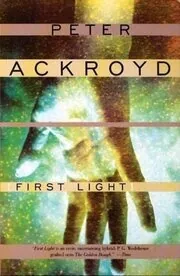
First Light
by Peter Ackroyd
1989
An excavation of a Neolithic burial site in Dorset draws together archaeologists, stargazers, locals, and saboteurs. Ackroyd turns ancient alignments and modern obsession into a strange, expansive novel about time and the cosmos.

Introduction to Dickens
by Peter Ackroyd
1991
A compact guide to Dickens's major works, themes, and career. Ackroyd links the novels to events in Dickens's life and gives newcomers a clear, practical way into a large and uneven body of work.
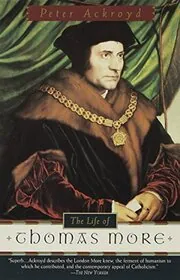
The Life of Thomas More
by Peter Ackroyd
1991
Ackroyd reconstructs the life of Thomas More as humanist, statesman, family man, and religious conscience. The book follows the intelligence and devotion that led More into direct conflict with Henry VIII.

English Music
by Peter Ackroyd
1992
Young Timothy Harcombe slips through dreams and visions into scenes from English painting, myth, and literature. It is part coming-of-age story, part haunted tour through the national imagination and the stories that shape it.
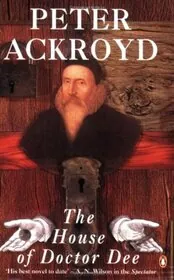
The House of Doctor Dee
by Peter Ackroyd
1993
When Matthew Palmer inherits an old Clerkenwell house, he discovers its ties to the Elizabethan magus John Dee. Past and present begin to overlap in a dark, intimate London novel about inheritance, knowledge, and hidden rooms.
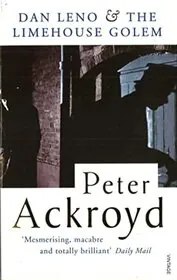
Dan Leno and the Limehouse Golem
by Peter Ackroyd
1994
A Victorian murder case, a serial killer in Limehouse, and a stage performer named Dan Leno collide in this dark historical mystery. Ackroyd mixes real figures, grime, and theatricality into a richly sinister London tale.
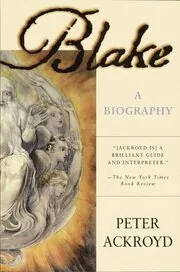
Blake
by Peter Ackroyd
1995
A full-scale life of William Blake that treats the poet and artist as both visionary and working Londoner. Ackroyd follows the art, the prophecies, the printing, and the stubborn oddness of Blake's mind.
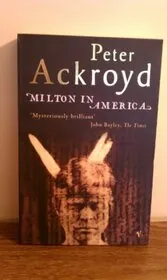
Milton in America
by Peter Ackroyd
1996
In this alternate history, John Milton sails to the New World and helps build a severe Puritan community. Ackroyd imagines how idealism, theology, and power can twist into something fierce and dangerous.
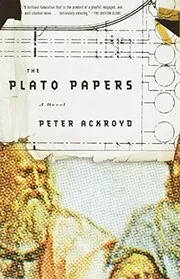
The Plato Papers
by Peter Ackroyd
1999
Set in a far future built over the ruins of London, this novel follows an orator named Plato as he tries to explain the lost twentieth century. Ackroyd turns history, misunderstanding, and satire into speculative fiction.
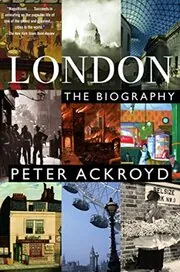
London
by Peter Ackroyd
2000
This sweeping history treats London almost as a living character, moving across centuries, districts, habits, and voices. Ackroyd ranges from plague and fire to theaters, ghosts, markets, crime, and everyday urban life.
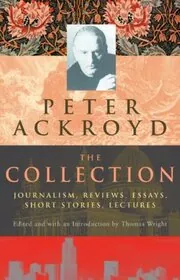
The Collection
by Peter Ackroyd
2001
A large gathering of Ackroyd's reviews, essays, journalism, lectures, and short fiction. It shows the range of his interests, from literature and history to the odd corners of English culture.
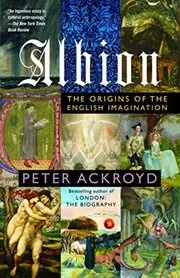
Albion
by Peter Ackroyd
2002
A wide-ranging cultural history of the English imagination, from early chronicles and myths to later writers, artists, and thinkers. Ackroyd asks what habits of feeling and style keep resurfacing across English life.
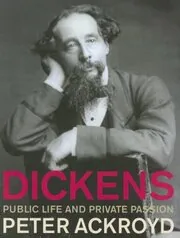
Dickens
by Peter Ackroyd
2002
Ackroyd's major biography of Charles Dickens follows the novelist from hard childhood to literary fame, public readings, and private strain. It is expansive, dramatic, and deeply alert to the London Dickens inhabited.
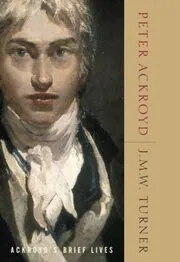
J.M.W. Turner
by Peter Ackroyd
2002
A short life of Turner, from his London childhood to his rise as the painter of storms, light, and sea. Ackroyd keeps one eye on the art and the other on the stubborn, secretive man behind it.
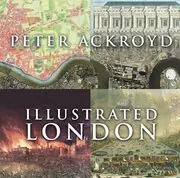
Illustrated London
by Peter Ackroyd
2003
A richly visual companion to Ackroyd's London history, pairing images with his account of the city's long life. It lets maps, paintings, prints, and photographs deepen the sense of London as a changing organism.
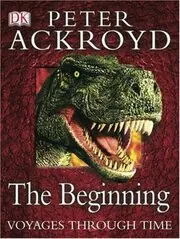
The Beginning
by Peter Ackroyd
2003
Written for younger readers, this book starts with the deep past and tells the story of the universe, the earth, and early life. Ackroyd makes vast stretches of time feel clear, dramatic, and easy to follow.
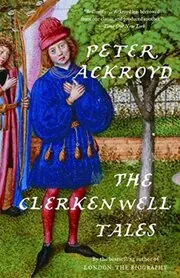
The Clerkenwell Tales
by Peter Ackroyd
2003
London in 1399 is full of prophecy, panic, and conspiracy as Richard II faces challenge and overthrow. Ackroyd uses medieval voices and a Lollard plot to create a grim, vivid tale of faith and political disorder.
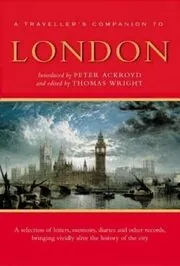
A Traveller's Companion to London
by Peter Ackroyd
2004
An anthology of letters, diaries, memoirs, and eyewitness pieces that lets London speak in many voices. Fires, riots, poverty, spectacle, and daily routine all build a layered portrait of the city through time.
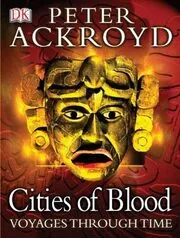
Cities of Blood
by Peter Ackroyd
2004
This volume explores the ancient civilizations of Central and South America for younger readers. Ackroyd moves through great cities, rulers, warfare, ritual, and conquest, showing how these societies rose and what destroyed them.
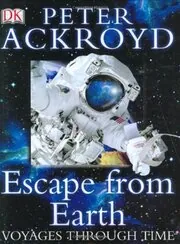
Escape from Earth
by Peter Ackroyd
2004
Ackroyd tells the story of human space exploration for younger readers, from early ideas about the stars to rockets, astronauts, triumphs, and disasters. It is a clear, energetic guide to the race beyond the atmosphere.
Kingdom of the Dead
by Peter Ackroyd
2004
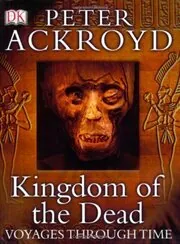
A child-friendly journey into ancient Egypt, from pharaohs and pyramids to gods, tombs, and mummies. Ackroyd explains how Egyptians lived and what they believed, while keeping the mystery of the civilization alive.
The Lambs of London
by Peter Ackroyd
2004
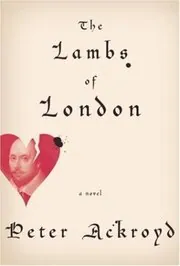
Charles and Mary Lamb are drawn into the famous Shakespeare forgeries of William Henry Ireland. Ackroyd turns literary fraud, family strain, and London theater culture into an elegant, unsettling historical novel.
A Muse of Fire
by Peter Ackroyd
2005
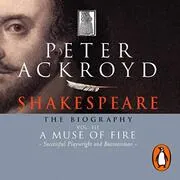
The third volume moves through Shakespeare's mature career, when the plays deepen and the theater grows central to London life. Ackroyd ties the great works to performance, politics, and the practical business of drama.
Ancient Greece
by Peter Ackroyd
2005
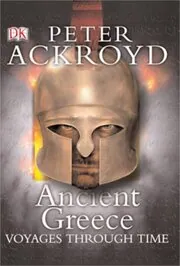
Ackroyd introduces young readers to ancient Greece through myth, city-states, war, politics, and philosophy. The book gives a clear sense of how Greek ideas and conflicts still echo far beyond the ancient world.
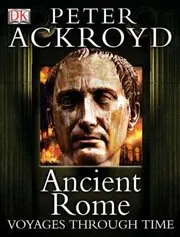
Ancient Rome
by Peter Ackroyd
2005
A brisk introduction to ancient Rome for younger readers, covering emperors, soldiers, citizens, engineering, and empire. Ackroyd keeps the history moving while showing how Roman power shaped everyday life.
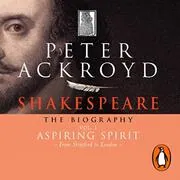
Aspiring Spirit
by Peter Ackroyd
2005
The opening volume of Ackroyd's Shakespeare biography explores the playwright's early life, family, schooling, and uncertain beginnings. It builds the Stratford world that formed the young man before London claimed him.
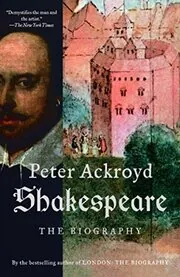
Shakespeare
by Peter Ackroyd
2005
Ackroyd's biography reconstructs Shakespeare through the world around him, Stratford, London, the theater companies, and the plays themselves. It is less interested in myth than in the working life of a playwright.
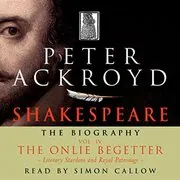
The Onlie Begetter
by Peter Ackroyd
2005
The closing volume turns to Shakespeare's later years, the sonnets, the late plays, and the beginning of his legend. It brings the life toward retirement and legacy without losing sight of the working writer.
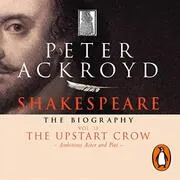
The Upstart Crow
by Peter Ackroyd
2005
This second volume follows Shakespeare into the London theater world, where acting companies, patrons, rivals, and audiences shaped his rise. Ackroyd shows the playwright learning how to survive, sell, and command the stage.
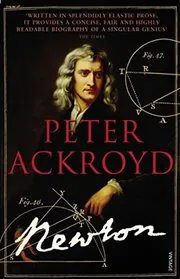
Newton
by Peter Ackroyd
2006
Ackroyd sketches Isaac Newton as both scientific giant and difficult human being. The book moves from calculus and gravity to alchemy, religion, and rivalry, showing how strange and wide Newton's mind really was.
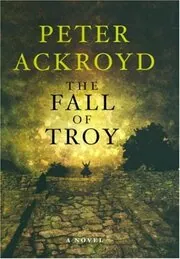
The Fall of Troy
by Peter Ackroyd
2006
A driven archaeologist, modeled on the discoverer of Troy, becomes consumed by proving myth is history. The novel follows obsession, excavation, and self-deception on the shifting line between ancient story and modern ambition.
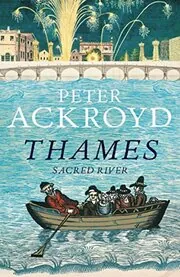
The Thames
by Peter Ackroyd
2007
Ackroyd follows the River Thames from source to sea, tracing its settlements, rituals, trades, legends, and literature. The river becomes both a physical journey and a history of English life moving beside water.
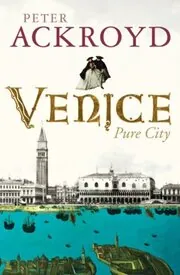
Venice
by Peter Ackroyd
2007
A portrait of Venice that moves through origins, empire, trade, art, tourism, and decay. Ackroyd is drawn to the city's beauty, but he also keeps sight of prisons, politics, shadows, and the harder facts underneath.
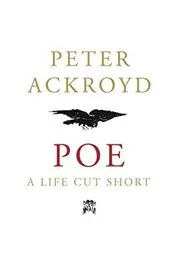
Poe
by Peter Ackroyd
2008
A concise portrait of Edgar Allan Poe, whose short life was marked by loss, poverty, and literary ambition. Ackroyd follows the making of the poems and tales while keeping the gothic misery of Poe's life in view.
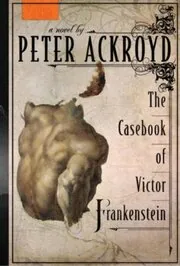
The Casebook of Victor Frankenstein
by Peter Ackroyd
2008
Ackroyd reimagines Frankenstein through a friendship between Victor and Percy Bysshe Shelley at Oxford. Anatomy, electricity, and literary ambition drive this dark historical fantasy into questions about creation, sanity, and self-invention.
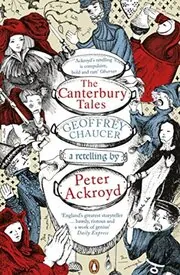
The Canterbury Tales
by Peter Ackroyd
2009
Ackroyd retells Chaucer's great sequence in modern prose while keeping its energy, humor, and bite. Pilgrims, tricksters, lovers, clerics, and ordinary fools all remain gloriously alive on the road to Canterbury.
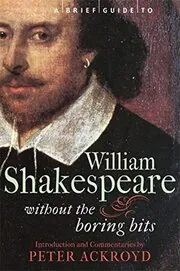
A Brief Guide to William Shakespeare
by Peter Ackroyd
2010
A concise introduction to Shakespeare's life, theater world, and major works. It offers the essentials of Ackroyd's larger biography in a shorter form that is easy for new readers to take in.
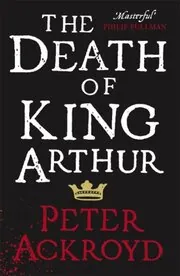
The Death of King Arthur
by Peter Ackroyd
2010
This modern retelling reshapes Malory's vast Arthurian tale into a swifter, more direct narrative. Arthur, Lancelot, Guinevere, chivalry, betrayal, and the collapse of Camelot all come through with clear dramatic force.
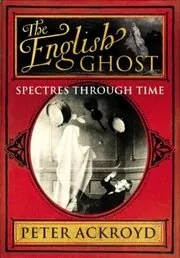
The English Ghost
by Peter Ackroyd
2010
A gathering of ghost stories and reported hauntings from across English history, from medieval tales to modern sightings. Ackroyd treats them as cultural evidence as much as chills, letting strangeness speak for itself.
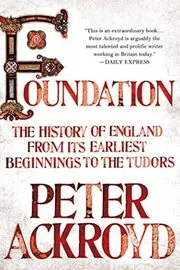
Foundation
by Peter Ackroyd
2011
The first volume of Ackroyd's History of England travels from prehistoric Britain to the eve of the Tudors. It mixes kings and invasions with cathedrals, customs, law, and the texture of daily life.
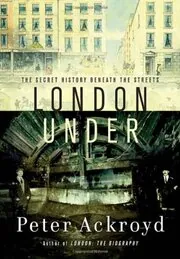
London Under
by Peter Ackroyd
2011
This short history heads below the streets to buried rivers, tunnels, crypts, sewers, stations, and hidden chambers. Ackroyd uses underground London to explore the city's memory, fear, and buried layers of time.
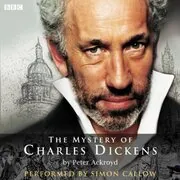
The Mystery of Charles Dickens
by Peter Ackroyd
2012
A theatrical portrait rather than a standard biography, this stage piece traces Dickens through memory, performance, and his own gallery of characters. It is a lively, compressed way of entering both the man and his public magic.
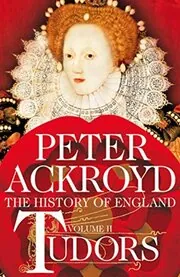
Tudors
by Peter Ackroyd
2012
Ackroyd charts England from Henry VIII to Elizabeth I, when religion, monarchy, and national identity were remade. The book brings the Reformation, court intrigue, and public fear close to the everyday lives beneath them.
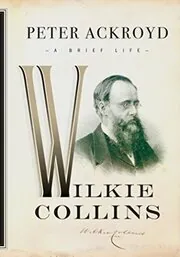
Wilkie Collins
by Peter Ackroyd
2012
Ackroyd traces Wilkie Collins from hardworking Victorian professional to master of sensation fiction. It is a quick, readable introduction to the author of The Woman in White and The Moonstone, and the world that shaped him.
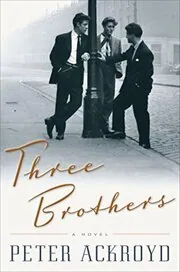
Three Brothers
by Peter Ackroyd
2013
Three brothers born on a postwar Camden estate grow into sharply different lives across a changing London. Ackroyd uses crime, ambition, and family fracture to map the city at street level and close range.
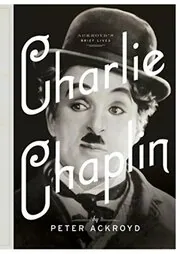
Charlie Chaplin
by Peter Ackroyd
2014
From London poverty and music hall beginnings to the Little Tramp and global fame, this short biography follows Chaplin's rise. Ackroyd also shows the loneliness, control, and restlessness behind the comic genius.
Rebellion
by Peter Ackroyd
2014
This volume follows England from James I through civil war, regicide, Cromwell, restoration, and the Glorious Revolution. Ackroyd keeps the political drama moving while showing how deeply the turmoil cut into national life.
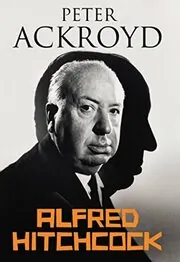
Alfred Hitchcock
by Peter Ackroyd
2015
Ackroyd follows Hitchcock from fearful London boyhood to mastery of suspense on screen. The book looks at the making of the public image, the famous films, and the private obsessions that fed them.
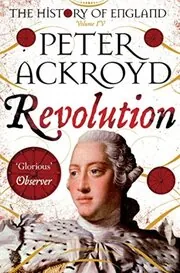
Revolution
by Peter Ackroyd
2016
Ackroyd carries the story of England through the late seventeenth and eighteenth centuries, an age of parties, trade, empire, and war. Big political change sits beside shifts in manners, money, and daily experience.
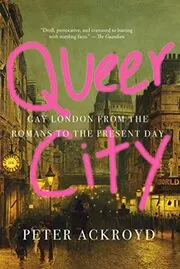
Queer City
by Peter Ackroyd
2017
Ackroyd traces the history of gay London from Roman times to the present, through secrecy, punishment, pleasure, scandal, and community. It is a brisk cultural history with an eye for changing spaces and identities.
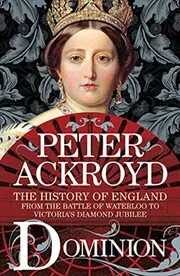
Dominion
by Peter Ackroyd
2018
The fifth history volume moves into the nineteenth century, when industry, reform, empire, and class tension transformed England. Ackroyd balances public events with the feel of streets, institutions, and ordinary social life.
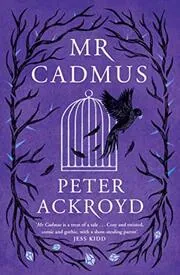
Mr. Cadmus
by Peter Ackroyd
2020
Two cousins in a quiet English village see their orderly lives disrupted when a mysterious foreigner moves in next door. Secrets, grudges, revenge, and murder follow in this darkly playful country-house satire.
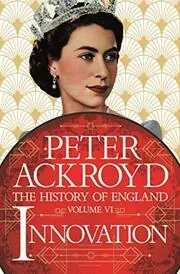
Innovation
by Peter Ackroyd
2021
Ackroyd's final History of England volume turns to the modern age, where war, technology, media, science, and social change reshape the country. It is a broad, fast-moving look at how England became recognizably contemporary.
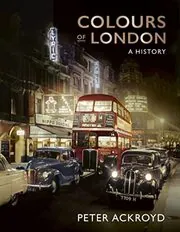
Colours of London
by Peter Ackroyd
2022
A history of London told through color, from plague marks and royal display to blackout gloom and bright street life. Ackroyd uses the city's hues to reveal another way of seeing its past.

The English Actor
by Peter Ackroyd
2023
Ackroyd surveys English stage acting from medieval performance to modern stars. The book is interested in what actors actually do, how audiences change, and why theater remains central to English cultural life.

The English Soul
by Peter Ackroyd
2024
A broad history of English Christianity over fourteen centuries, told through belief, conflict, reform, mysticism, and public life. Ackroyd asks how faith helped shape what people have called the English character.

Forgotten London
by Peter Ackroyd
2025
An illustrated journey into London's overlooked past, especially the lives, streets, entertainments, and hardships of the Victorian era through the Second World War. Ackroyd looks past official history to the crowded life below it.
Where to start with Peter Ackroyd
If you want the big London books: London → The Thames → London Under
If you want literary biographies: Shakespeare → Dickens → Blake
If you want historical novels first: Hawksmoor → Chatterton → The House of Doctor Dee
If you want a broad history of England: Foundation → Tudors → Rebellion → Revolution
Peter Ackroyd sub-series and character series
Ackroyd's Brief Lives books in order
Explore this seriesAckroyd's Brief Lives books in chronological order
Shakespeare: the Biography books in order
Explore this seriesShakespeare: the Biography books in chronological order
The History of England books in order
Explore this seriesThe History of England books in chronological order
Voyages Through Time books in order
Explore this seriesVoyages Through Time books in chronological order
Peter Ackroyd collections, short stories, and related book types
Non-Fiction
Collections
Standalone Peter Ackroyd books
Author bio
Peter Ackroyd was born in East Acton, London, on 5 October 1949. He grew up on a council estate and was raised mainly by his mother and grandmother in a strict Roman Catholic household after his father left when he was a baby.
He was an early, serious reader, and that intensity stayed with him. At St Benedict's, Ealing, and later at Clare College, Cambridge, he studied English literature and graduated with a double first before heading to Yale as a Mellon Fellow in 1972.
He started out wanting to be a poet.
His earliest books were the slim poetry collections London Lickpenny and Country Life, and his Yale years fed directly into Notes for a New Culture, an ambitious study of modernism written when he was only twenty-two. Even then, two interests were already in place, English literary tradition and the strange pull of London.
After returning to England, he worked at The Spectator and later wrote criticism and reviews, while also broadcasting on radio. Then fiction took over, beginning with The Great Fire of London in 1982, a novel that rewrites Dickens through contemporary London and opened the door to a long run of books where past and present keep colliding.
London is his great subject.
That shows up everywhere, in novels like Hawksmoor, Chatterton, The House of Doctor Dee, and Dan Leno and the Limehouse Golem, where churches, alleyways, libraries, and old rooms seem charged with memory. It also shapes his large non-fiction books, especially London, The Thames, and Albion, where he writes history as something lived in streets, accents, rituals, and habits as much as in dates.
He also became one of the busiest literary biographers of his generation. T. S. Eliot, Dickens, Blake, The Life of Thomas More, and Shakespeare are very different books, but they share the same instinct: build the world around the subject, then let the life emerge inside it. Readers tend to like him for that sense of movement and atmosphere, as well as the feeling that scholarship never gets in the way of the story.
Ackroyd does not stay in one lane for long. Alongside the novels and biographies, he wrote the child-friendly Voyages Through Time books, the multi-volume History of England, and studies such as Venice, Queer City, The English Ghost, The English Actor, and The English Soul. The prizes came steadily too. He won the Whitbread Biography Award for T. S. Eliot, the Whitbread Novel Award and the Guardian Fiction Prize for Hawksmoor, the James Tait Black Memorial Prize for The Life of Thomas More, and he was made a CBE in 2003.
Through all of it, the thread is easy to spot. He keeps asking how people are shaped by the places they inherit, how the dead linger in the living world, and why England, especially London, seems to keep telling the same stories in new forms.

Edited by
Software engineer whose passion for tracking book recommendations from podcasts inspired the creation of MRB.
Lead investor at 3one4 Capital whose startup expertise and love for books helped shape MRB and its growth.
Comments
Did we miss something? Have feedback?
Help us improve this page by sharing your thoughts