
Chickamauga Books in Order
Part ofBlair Howard Books in OrderExplore the Chickamauga books by Blair Howard in order, with summaries, historical background, and guidance on where to start these battle-centered Civil War stories.
Last updated:
As an Amazon Associate, we earn from qualifying purchases (at no extra cost to you).
Chickamauga books in publication order
2 books
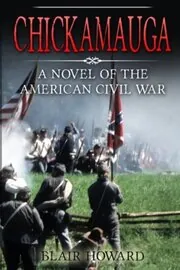
Chickamauga
by Blair Howard
2013
Howard recreates the Battle of Chickamauga through soldiers and commanders on both sides. It is a battle novel built on close research, heavy casualties, and the brutal confusion of two days in the woods.
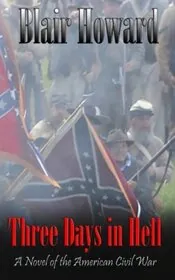
Three Days in Hell
by Blair Howard
2015
Told through Major Chester Rigby, this novel follows Brigadier General Bushrod Johnson through the Chickamauga campaign. It stays close to command decisions and battlefield chaos without losing sight of the men inside it.
Chickamauga books in chronological order
Series background & context
If the broader Civil War and western books show Howard working across a long historical arc, the Chickamauga books narrow the lens and stay close to one of the war's bloodiest western battles. These stories are built for readers who want mud, smoke, bad roads, conflicting orders, and the terrible confusion of combat told at ground level as well as from command.
The battlefield does a lot of the work here. Thick woods, narrow roads, broken lines, and poor visibility make Chickamauga feel chaotic in a way many battle novels try for and never quite reach. Howard leans into that. He shows how easily units lose contact, how fast assumptions fail, and how much of a battle can turn on timing, nerve, and plain misfortune. You get generals making decisions, but you also get the men who have to live inside those decisions.
No one gets an easy view of the fight.
Books like Chickamauga and Three Days in Hell work especially well because they use multiple levels of perspective. One moment the story is with officers trying to understand the field. The next it is with staff, couriers, or line troops trying to survive the next push. That mix helps the novels feel large without becoming distant. The battle is still a military event, but it is also a chain of immediate human problems.
These books also show one of Howard's strengths as a historical novelist: he likes specific places and the way they shape action. Creeks, ridges, woods, and crossroads are never just names on a map. They decide what can be seen, what can be held, and who arrives too late. That makes the fiction useful for readers who enjoy military history, but it also keeps the tension high for people who simply want a strong story.
So if the page you are on is about Howard's Chickamauga work, expect battle fiction that stays close to the western theater and does not clean up the noise or the cost. These books are direct, physical, and deeply interested in what it felt like to be there when the line broke.








Edited by
Software engineer whose passion for tracking book recommendations from podcasts inspired the creation of MRB.
Lead investor at 3one4 Capital whose startup expertise and love for books helped shape MRB and its growth.
Comments
Did we miss something? Have feedback?
Help us improve this page by sharing your thoughts