
Charles Whiting Books in Order
Explore Charles Whiting's books in publication order, with short summaries of his military histories, wartime novels and accounts of intelligence operations.
Last updated: 1 new book added
As an Amazon Associate, we earn from qualifying purchases (at no extra cost to you).
Charles Whiting books in publication order
124 books
The Frat Wagon
by Charles Whiting
1954
As the Second World War ends, British occupation troops and German civilians confront life after defeat. This novel follows the suffering and moral pressures of people trying to survive a country undergoing profound change.

Decision at St.Vith
by Charles Whiting
1969
This military history follows the inexperienced US 106th Infantry Division as it faces the German offensive in December 1944. The fighting around St. Vith reveals the pressure placed on troops thrown into their first battle.
48 Hours to Hammelburg
by Charles Whiting
1970
In March 1945, Patton sends Captain Abraham Baum's task force through German defenses to rescue prisoners near Hammelburg. This account examines the mission, its concealed personal motive and the danger faced by the soldiers involved.
Patton
by Charles Whiting
1970
This illustrated biography follows General George S. Patton's life and military career. Whiting examines the commander behind the public image, including his arrival to take charge of the US II Corps during the North African campaign.
Battle of the Ruhr Pocket
by Charles Whiting
1971
With Germany nearing defeat, Eisenhower directs American forces toward the Ruhr rather than Berlin. This illustrated history follows the encirclement of Field Marshal Model's army, linking battlefield fighting with the decisions made at Allied headquarters.
Bradley
by Charles Whiting
1971
Omar Bradley entered the Second World War without battlefield experience and rose to command a vast American army group. This biography follows his leadership from North Africa through Europe and examines the character behind his military career.
Ike's Last Battle: The Battle of the Ruhr Pocket April 1945
by Charles Whiting
1971
This history examines Eisenhower's decision to destroy German forces in the Ruhr as Allied armies advance in 1945. Whiting considers the competing priorities of commanders and politicians, asking what shaped a choice with lasting consequences.
Gehlen
by Charles Whiting
1972
This biography traces Reinhard Gehlen's career from German intelligence on the Eastern Front to work with the Americans after the war. Whiting examines how his espionage experience helped him establish a new role in the Cold War.

Hitler's Werewolves
by Charles Whiting
1972
As Allied armies enter Germany, Nazi leaders organize a guerrilla force to attack occupiers and suspected collaborators. Whiting follows the recruitment and training of a team assigned to murder Aachen's newly appointed mayor.
Skorzeny
by Charles Whiting
1972
This biography examines Otto Skorzeny's career as a Nazi commando leader. Whiting follows operations including Mussolini's rescue and the kidnapping of the Hungarian leader's son, exploring the man behind missions that made him a wanted figure.
The Hunt for Martin Bormann
by Charles Whiting
1972
Martin Bormann's disappearance from wartime Berlin prompted decades of searches and reported sightings. Whiting examines the evidence, rumors and conflicting claims surrounding Hitler's secretary, tracing how uncertainty sustained one of the war's most persistent mysteries.
Finale at Flensburg
by Charles Whiting
1973
In the war's closing days, Montgomery drives British forces toward the Baltic as Churchill worries about Soviet expansion. This history examines the campaign, strained Allied cooperation and the political consequences of decisions made before Germany's collapse.
A Bridge at Arnhem
by Charles Whiting
1974
Operation Market Garden aims to open a corridor through occupied Holland and capture the Arnhem bridge. Whiting reconstructs the planning and fighting through accounts from both sides, showing the pressure on the British airborne troops involved.

Hunters from the Sky
by Charles Whiting
1974
This history follows Germany's parachute forces and their founder, General Kurt Student. From early victories to costly fighting on Crete and later missions, Whiting examines how an experimental military formation influenced airborne warfare during the Second World War.
Kill Patton
by Charles Whiting
1974
Removed from command and stranded in Sicily, General Patton begins receiving death threats. Major McKenzie investigates possible links between the Mafia and the US Army, discovering that his growing knowledge may put his own life at risk.

Operation Fox Hunt
by Charles Whiting
1974
German commander Eugen von Schwartau prepares an attack on Russian oilfields. The Allies send Mark Crooke's Dirty Devils to stop the man known as the Caucasian Fox, giving their commandos an assassination mission deep in dangerous territory.

Operation Stalag
by Charles Whiting
1974
After prisoners are massacred during an escape attempt, British intelligence suspects a larger threat to Allied captives. Lieutenant Crooke's Destroyers parachute into Germany and enter a prison camp to find the Gestapo officer responsible.

Operation Afrika
by Charles Whiting
1975
In Egypt in 1942, an army chief disappears with a German agent, threatening the Allied desert campaign. Lieutenant Crooke recruits a team from Cairo's military prison and pursues the fugitives across a vast, hostile landscape.

Operation Caucasian Fox
by Charles Whiting
1975
The Destroyers must assassinate the German commander poised to strike Russian oilfields. Lieutenant Crooke's mission becomes more dangerous when signs of an intelligence betrayal suggest the enemy may already know his commandos are coming.

Operation Kill Ike
by Charles Whiting
1975
The Destroyers enter the Ardennes to contact a German scientist, only to find him dead as an offensive begins. Lieutenant Crooke's squad must then hunt an SS agent sent behind Allied lines to assassinate Eisenhower.

Operation Werewolf
by Charles Whiting
1975
As the European war draws to a close, Nazi Werewolf resistance threatens further bloodshed. Lieutenant Crooke's Destroyers must penetrate the mountain stronghold of the Hawk, a ruthless commander determined to continue defending the collapsing Reich.
The Battle For Twelveland
by Charles Whiting
1975
This account examines British and American intelligence operations inside Nazi Germany during the Second World War. Whiting explores the secret activities behind the military conflict, focusing on how the two Allied countries pursued information within enemy territory.

Big Breakout
by Charles Whiting
1976
During the summer of 1944, Patton sends T-Force behind enemy lines against his superiors' orders. The commandos must capture a vital bridge on the Selune and hold it until the American Third Army arrives.
Bloody Aachen
by Charles Whiting
1976
This history examines the American assault on Aachen and the resistance encountered in the first German city they besieged. Whiting follows fighting amid the city's ruins, connecting military operations with the experience of its defenders.

Highway Through Hell
by Charles Whiting
1976
Patton needs a route through German defenses to relieve Bastogne before Christmas. Major Harry Hardt's T-Force commandos fight from Luxembourg toward the besieged town, contending with freezing weather and an enemy increasingly determined to stop them.

Massacre at Metz
by Charles Whiting
1976
German guns at Metz halt Patton's advance, sending Major Harry Hardt's T-Force behind enemy lines. The commandos must destroy the fortified battery while avoiding Gestapo attention and an SS suicide squad with plans of its own.
Torpedo Boat
by Charles Whiting
1976
In 1919, four British sailors must deliver an agent into Soviet Russia and attack a Red Fleet battleship. Their small torpedo boats face a route through Finland, icy waters and the minefields guarding Petrograd harbor.
Tug of War
by Charles Whiting
1976
An aging tugboat joins the dangerous convoy route from Hull to Murmansk. Its crew faces Arctic cold and German submarines, unaware that someone has betrayed their route and left U-boats waiting for their arrival.

Wolf Hunt
by Charles Whiting
1976
A decoded German message reveals that the man called Grey Wolf is moving again. British intelligence forms the secret Force Ultra, whose first assignment is to enter Nazi Germany, find his hiding place and kill him.

Double Cross
by Charles Whiting
1977
British intelligence plants a German double agent in Switzerland to send information to the Russians. When German command dispatches an investigator, one-armed Major Cain must find him before the deception and its participants are exposed.
Orders To Kill
by Charles Whiting
1978
Disguised as Americans, SS Sergeant Hartmann and three English-speaking officers cross Allied lines in a captured Sherman tank. Their mission is to kill senior enemy commanders, with General Patton chosen as Hartmann's particular target.
First Blood
by Charles Whiting
1980
In 1939, recruits join Germany's 69th Infantry Regiment under a brutal sergeant-major and a disillusioned aristocratic officer. Ordered to seize the Jablunka Pass, they become a diversion for the coming invasion of Poland.
Death of a Division
by Charles Whiting
1981
This military history examines the destruction of the American 106th Infantry Division during the Ardennes fighting. Whiting follows inexperienced soldiers into the winter conditions of the Schnee Eifel, exploring panic and the collapse of a formation.
March On Moscow
by Charles Whiting
1981
Major von Dietz leads Germany's 69th Infantry Regiment into Russia in 1941. Hunger, freezing weather, desertion and Soviet attacks undermine the march toward Moscow, while the prospect of retreat brings dangers the troops have scarcely imagined.
Front Swine
by Charles Whiting
1982
Colonel von Dietz commands the 69th Infantry Regiment outside besieged Leningrad. His troops endure winter and repeated Soviet attacks while participating in a campaign that threatens civilians with starvation, confronting the brutality of their own mission.
Siegfried
by Charles Whiting
1982
This history examines the Allied struggle to breach Germany's Siegfried Line from late 1944 into 1945. Whiting connects the fortified frontier's construction with the prolonged fighting, showing how it delayed the advance toward the Rhine.
The Home Front:Germany
by Charles Whiting
1982
Charles Whiting examines life in Germany during the Second World War, from propaganda and wartime labor to resistance against the Nazi regime. The account follows civilians through Allied bombing and the social breakdown accompanying Germany’s defeat.
Blood Beach
by Charles Whiting
1983
Captain Corrigan leads inexperienced assault troops into France ahead of the main D-Day invasion. When their landing goes wrong, he defies orders to reach hard-pressed paratroopers and continue toward Caen through dangerous German defenses.
Death In The Forest
by Charles Whiting
1983
Corrigan's men face more than German forces during a mission through the forest. American deserters block the route to British lines, while escaped Russian prisoners attack both sides, leaving the troop surrounded by unpredictable enemies.
44
by Charles Whiting
1984
This account follows Allied soldiers from the liberation of France toward Germany in 1944. Whiting examines fatigue, illness, desertion and combat strain, focusing on the pressures experienced by fighting men between Normandy and the Ardennes.
Clash on the Rhine
by Charles Whiting
1984
Captain Corrigan’s Assault Troop prepares to cross the Rhine alongside an inexperienced Texan division. German defenses pose one danger, but the American officers’ refusal to heed advice threatens to make the operation even more costly.
End Run
by Charles Whiting
1984
Captain Corrigan’s men are ordered across the Elbe on a mission devised by Montgomery. Facing German troops, advancing Soviet forces, and Hitler Youth guerrillas skilled in ambush, the Assault Troop must navigate the war’s chaotic final stage.
45 the Final Drive from the Rhine to the Baltic
by Charles Whiting
1985
Charles Whiting reconstructs the final months of the European war through soldiers’ letters, diaries, and recollections. From the Ardennes to the Rhine and Hamburg, he follows the fighting and daily pressures experienced on both sides.
Ardennes
by Charles Whiting
1985
Charles Whiting examines the deception and sabotage operations surrounding Germany’s Ardennes offensive. Interviews with German officers illuminate espionage, scattered parachute landings, and commando activity, exploring why Allied intelligence struggled to anticipate and contain the attack.

Operation Northwind
by Charles Whiting
1986
Charles Whiting examines Operation Northwind, Germany’s offensive against American positions in Alsace-Lorraine. The account connects fighting in snowbound terrain with the dispute over Strasbourg, showing how military decisions strained the alliance between France and the United States.
The Other Battle of the Bulge
by Charles Whiting
1986
Germany’s attack in Alsace-Lorraine placed American and French troops under severe pressure as Allied commanders debated abandoning Strasbourg. Charles Whiting follows Operation Northwind and the political conflict that threatened to turn battlefield danger into an alliance crisis.
Britain Under Fire
by Charles Whiting
1987
Charles Whiting follows the German bombing campaign against Britain from the Blitz to the arrival of V-1 and V-2 weapons. Personal accounts and official records illuminate civilian suffering, government preparations, and responses to prolonged attacks.
Patton's Last Battle
by Charles Whiting
1987
Charles Whiting follows George Patton through the closing months of the European war, from the Rhine crossing into Germany to December 1945. The account examines the general’s final military campaign and the period before his death.
The Long March on Rome
by Charles Whiting
1987
Charles Whiting traces the Allied campaign in Italy from Sicily toward Rome through participants’ recollections. British, American, Polish, French, and German perspectives reveal the difficult terrain, costly fighting, and ordinary soldiers’ experiences behind the advance.
The Poor Bloody Infantry
by Charles Whiting
1987
Charles Whiting explores the Second World War from the infantryman’s perspective, focusing on combat and daily survival. Alongside attacks, casualties, and exposure to enemy armor, he examines rations, illness, and the discomforts often absent from accounts of strategy.
The Three Star Blitz
by Charles Whiting
1987
Charles Whiting examines the Baedeker raids against English cathedral cities and the retaliatory bombing of Germany. Survivors’ recollections connect the air campaigns to their human consequences, tracing the widening attacks on civilians during the Second World War.
Jochen Peiper
by Charles Whiting
1988
Charles Whiting traces SS commander Jochen Peiper’s life, focusing on his role in the Ardennes offensive and responsibility for the Malmedy massacre. The biography follows the consequences of war-crimes accusations through imprisonment and his postwar life.

The Battle of Hurtgen Forest
by Charles Whiting
1988
Charles Whiting examines the American campaign in the Hurtgen Forest, where troops faced difficult terrain and fortified German positions. He questions why commanders continued committing men to an increasingly costly objective and explores the resulting human losses.
Bugles at Dawn
by Charles Whiting
1990
Fleeing Europe on the eve of Waterloo, John Bold joins the East India Company’s forces in India. Commanding an irregular cavalry unit, he confronts Mahratta resistance while trying to retain his independence within the British military system.
Hero
by Charles Whiting
1990
Charles Whiting follows Audie Murphy from his Texas upbringing through combat in the Second World War and life afterward. The biography connects military honors with the psychological strain, addiction, and personal difficulties that accompanied his postwar fame.
Papa Goes to War
by Charles Whiting
1991
Charles Whiting retraces Ernest Hemingway’s journey through wartime Europe as a correspondent in 1944 and 1945. Examining his personal life and claims of combat experience, he seeks to distinguish documented events from the writer’s public legend.
Sabres in the Sun
by Charles Whiting
1991
Major John Bold is captured during a Burmese attack on British India and pressured to betray his army. Determined to escape, he must lead his cavalry through hostile terrain and harsh weather as the conflict expands.
Warriors of Death. The Final Battles of Hitler's Private Bodyguard 1944-45
by Charles Whiting
1991
Charles Whiting follows Hitler’s SS bodyguard formation through its final wartime campaigns, including Normandy and the Ardennes. The account examines obedience, violence, and the mounting pressures on a unit whose loyalty helped spread terror across Europe.
Bounce the Rhine
by Charles Whiting
1992
Charles Whiting examines the Allied effort to cross the Rhine, Germany’s last major natural defense in the west. The account follows British advances and wider Allied operations, explaining the obstacles facing troops and the methods used to overcome them.

March on London
by Charles Whiting
1992
Charles Whiting investigates a German plan to organize mass escapes from prisoner-of-war camps in Britain during the Ardennes offensive. Agents infiltrating the camps aimed to turn captured soldiers into a force capable of marching on London.
Slaughter Over Sicily
by Charles Whiting
1992
Charles Whiting examines the airborne operations supporting the invasion of Sicily in 1943. Participants’ accounts reveal failures in planning, friendly-fire attacks, and scattered landings, while showing how commanders on the ground responded to the unfolding disaster.

The Baltic Run
by Charles Whiting
1993
In 1920, young naval officer Common Smith agrees to carry weapons to Poland aboard his patrol boat Swordfish. The mission takes him into the Baltic, where covert enemies work to prevent the cargo from reaching its destination.
Attack New York!
by Charles Whiting
1994
In this wartime thriller, Hitler plans to send spies and a terror weapon toward New York aboard U-boats. Alerted by naval intelligence, a British destroyer flotilla staffed with inexperienced recruits must stop them before they cross the Atlantic.
Come Hell Or Highwater!
by Charles Whiting
1994
In April 1942, inexperienced Royal Navy crews take American submarine chasers into battle against German U-boats. They must protect the Queen Elizabeth as she carries American troops to Britain, despite facing a better-trained enemy beneath the sea.

In Turkish Waters
by Charles Whiting
1994
In 1922, Common Smith enters the conflict between Greece and Turkey on an MI6 assignment. Threatened massacres and wider regional instability make his mission urgent, as Britain fears the chaos will benefit Germany and Soviet Russia.
Last Assault
by Charles Whiting
1994
Charles Whiting reassesses the intelligence preceding Germany’s Ardennes offensive, questioning whether American commanders were truly surprised. He examines why the vulnerable sector remained thinly defended and asks what senior officers knew before the attack began.
The Battle of the Bulge
by Charles Whiting
1994
Charles Whiting examines Britain’s involvement in the Battle of the Bulge through soldiers’ and civilians’ recollections. He follows the fighting in the Ardennes and explores the political disputes that helped overshadow British troops’ contribution to the Allied response.

Death on the Rhine
by Charles Whiting
1995
In Germany in 1923, MI6 sends Common Smith to Cologne to prevent the assassination of the British Army of the Rhine’s commander. Nationalist unrest threatens to turn the killing into a wider crisis for Europe.

Passage to Petrograd
by Charles Whiting
1995
As Soviet leaders compete for power in 1924, Common Smith must extract a fictional teenage son of Tsar Nicholas II from Petrograd. The Swordfish crew faces enemies determined to prevent the boy becoming a symbol for monarchist resistance.
Tobruk Rescue
by Charles Whiting
1995
With German forces advancing toward Tobruk in June 1942, two British geologists urgently need rescue. Their knowledge of the atomic bomb makes capture especially dangerous, turning a mission in the Western Desert into a race for vital secrets.
Death On A Distant Frontier
by Charles Whiting
1996
Charles Whiting questions Allied strategy after the German retreat from France in 1944. Examining halted advances toward the Rhine and disputes among commanders, he argues that missed opportunities prolonged the war and contributed to later casualties.

Death Trap
by Charles Whiting
1996
A British courier aircraft carrying documents about Soviet plans for the Balkans is forced down near the Yugoslavian coast. Common Smith and the Swordfish crew must enter the region secretly and recover the papers from mountainous terrain.
Massacre at Malmedy
by Charles Whiting
1996
Charles Whiting reconstructs the killing of surrendered American soldiers by Peiper’s SS battle group during the Ardennes offensive. Interviews and research follow the circumstances at Malmedy and the aftermath of one of the campaign’s most notorious war crimes.
Operation Stormwind
by Charles Whiting
1996
In this thriller set after the Gulf War, Saddam Hussein hires a terrorist to destroy a new British oil rig. SBS captain Seal follows the plot across Europe, racing to prevent an attack in the North Sea.
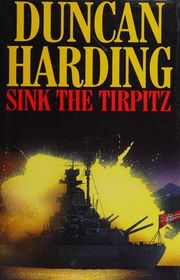
Sink the Tirpitz
by Charles Whiting
1996
The German battleship Tirpitz prepares for a mission to assassinate Winston Churchill. To stop it before it leaves harbor, British submariners must undertake an attack they believe offers little chance of returning alive.

The Japanese Princess
by Charles Whiting
1996
In China in 1927, kidnapped Japanese princess Sadie becomes a potential pretext for invasion. Common Smith and the Swordfish crew must rescue her before her death gives imperial Japan the excuse it wants to begin a war.
Assault on St Nazaire
by Charles Whiting
1997
In this naval thriller, British forces plan to block the harbor at St. Nazaire while German U-boat officer Lieutenant Hartmann works to stop them. Their competing missions place the success of the raid against determined submarine opposition.

Hell's Angels
by Charles Whiting
1997
In Germany in 1929, nationalists plan attacks on Allied troops and recall expatriate German pilots from America. Common Smith and the Swordfish crew must intercept these Hell’s Angels before they reach Europe and disrupt peace plans.
Paths of Death and Glory
by Charles Whiting
1997
Charles Whiting reconstructs the final phase of the European war through diaries, interviews, and battalion records. Individual soldiers’ experiences reveal the uncertainty and continued danger of early 1945, when Allied victory still demanded costly fighting.
Sink the Ark Royal
by Charles Whiting
1997
With Rommel preparing to advance on Cairo and Britain's army exhausted, Malta needs supplies to keep resisting. Churchill sends aircraft and fuel in a convoy protected by Ark Royal, exposing the vulnerable carrier to a dangerous mission.

Operation Judgment
by Charles Whiting
1998
A plan to destroy the Italian fleet places enormous demands on a small force of outdated torpedo bombers. This wartime novel follows an aerial operation whose crews must overcome poor odds to prevent a naval disaster.
Sink the Graf Spee
by Charles Whiting
1998
Churchill needs a naval success after years of neglect have weakened Britain's fleet. Targeting the German raider Graf Spee brings British ships into a confrontation where even surrounding their battered opponent leaves difficult decisions and dangers ahead.
A Travellers Guide to the Battle for the German Frontier
by Charles Whiting
1999
This battlefield guide follows the Allied advance toward Germany through Arnhem, Nijmegen, the Ardennes, and the Rhine crossings. Historical accounts connect the places travelers can visit with the costly fighting that opened the German frontier.
America's Forgotten Army
by Charles Whiting
1999
Charles Whiting follows the U.S. Seventh Army from Sicily through France and into Germany. The account examines an often-overlooked force through its commanders and ordinary soldiers, showing the resistance and losses behind its advance across Europe.
Heydrich
by Charles Whiting
1999
Charles Whiting examines Reinhard Heydrich's rise through Nazi intelligence and security organizations and his role in persecution and genocide. Interviews and other sources inform his investigation of Heydrich's assassination and the competing explanations surrounding the plot.
Sink the Prince of Wales
by Charles Whiting
1999
Major Nairns discovers a Japanese reconnaissance base while patrolling Malaya's border with Siam in 1941. Learning of plans to attack HMS Prince of Wales, he must warn British authorities while evading Colonel Moto and the secret police.
The Balkan Chase
by Charles Whiting
1999
An SAS brigadier disappears during a mission in Operation Desert Storm. Nearly a decade later, his grandson, Lieutenant Rory O'Sullivan, receives orders to discover what happened, turning a military investigation into a search with personal stakes.
The Finland Mission
by Charles Whiting
1999
SBS Team Alpha must recover pieces of Fireball, an experimental Soviet satellite, before Soviet forces retrieve them. The secret mission becomes a contest against an approaching enemy prepared to fight for control of the missing technology.
West Wall
by Charles Whiting
1999
Charles Whiting treats the battles along Germany's West Wall as one extended campaign. The account connects fortifications, forests, rivers, commanders, and Allied armies to explain the sustained fighting required to breach the defenses and advance into Germany.
American Hero. the Life and Death of Audie Murphy
by Charles Whiting
2000
This biography follows Audie Murphy from his Texas childhood through combat across Europe and into life after the war. Charles Whiting examines both his battlefield achievements and the psychological and personal costs that accompanied his military reputation.
Battleground Korea
by Charles Whiting
2000
Charles Whiting examines Britain's involvement in the early Korean War, drawing on eyewitness accounts and political memoirs. The account connects soldiers' experiences in 1950 and 1951 with the decisions that shaped a costly and often-overlooked conflict.
Hitler's Secret War
by Charles Whiting
2000
Charles Whiting investigates Nazi espionage against the Allies, including the work of the Abwehr. Interviews with intelligence figures help trace deception operations and stolen military secrets, showing how hidden networks influenced the wider course of the war.
Sink the Hood
by Charles Whiting
2000
This novel blends historical events with an investigation of HMS Hood's destruction by Bismarck in May 1941. Its central mystery asks what German advantage could have enabled such a swift attack on one of Britain's most celebrated warships.
Search for Gestapo Muller
by Charles Whiting
2001
Charles Whiting investigates the disappearance of Heinrich Müller, the Gestapo chief who vanished as Nazi Germany collapsed. The account examines the international efforts to find a major war criminal and the uncertainty surrounding his possible escape.
Sink the Bismarck
by Charles Whiting
2001
Bismarck's deployment offers Admiral Raeder a chance to prove the value of Germany's surface fleet. Admiral Doenitz instead favors submarines and seeks to sabotage the operation, bringing internal rivalry into a confrontation with the British Navy.
Sink the Cossack
by Charles Whiting
2001
The wartime career of HMS Cossack unfolds through Wideboy, a Cockney sailor initially hostile to naval life. British rescue operations and battles draw him deeper into the crew's struggle as German forces seek to destroy their ship.
Ghost Front
by Charles Whiting
2002
Charles Whiting examines how Germany secretly assembled forces for the Ardennes offensive while Allied troops believed the sector was quiet. The account explores deception, intelligence failures, and disputed warnings behind the surprise that became the Battle of the Bulge.
Monty's Greatest Victory
by Charles Whiting
2002
This history examines Montgomery's final campaign toward Germany's Baltic ports in spring 1945. Charles Whiting connects military advances with the race against Soviet forces, showing how commanders' ambitions and national interests shaped the approaching postwar settlement.
Sink HMS Kelly
by Charles Whiting
2002
Lord Louis Mountbatten commands HMS Kelly and a destroyer flotilla while ambition and personal tensions complicate his position. This naval novel follows the ship's dangerous service as wartime attacks test both its captain and its crew.
Sink the Warspite
by Charles Whiting
2002
Able Seaman Hawkins takes pride in serving aboard HMS Warspite. An enemy prisoner blames the ship for his injuries and pursues revenge, drawing Hawkins into a continuing threat that follows the battleship through the war.
Charles Whiting sub-series and character series
Spellmount Siegfried Line books in order
Explore this seriesSpymaster books in order
Explore this seriesT-Force books in order
Explore this seriesThe Common Smith VC Adventures books in order
Explore this seriesThe Destroyers books in order
Explore this seriesThe Third Reich’s Shadow Forces books in order
Explore this seriesStandalone Charles Whiting books


by Charles Whiting
1970Ballantine's Illustrated History of World War II / the Violent Century: War Leader, Book 1
by Charles Whiting
1971Ballantine's Illustrated History of World War II / the Violent Century: Battle, Book 1
by Charles Whiting
1971Ballantine's Illustrated History of World War II / the Violent Century: War Leader, Book 2
Ike's Last Battle: The Battle of the Ruhr Pocket April 1945
by Charles Whiting
1971Ballantine's Illustrated History of World War II / the Violent Century: Battle, Book 2

by Charles Whiting
1972Ballantine's Illustrated History of World War II / the Violent Century: War Leader, Book 3


by Charles Whiting
1975An Account Of Anglo American Intelligence Operations Within Nazi Germany, 1939 1945




by Charles Whiting
1999The True Story of the U.S. Seventh Army in WWII - And An Unknown Battle that Changed History















Edited by
Software engineer whose passion for tracking book recommendations from podcasts inspired the creation of MRB.
Lead investor at 3one4 Capital whose startup expertise and love for books helped shape MRB and its growth.
Comments
Did we miss something? Have feedback?
Help us improve this page by sharing your thoughts