
Campbell Armstrong Books in Order
Browse Campbell Armstrong books in order, with quick summaries, pseudonyms, series guides, and simple tips on where to start with his thrillers and crime novels.
Last updated:
As an Amazon Associate, we earn from qualifying purchases (at no extra cost to you).
Campbell Armstrong books in publication order
38 books
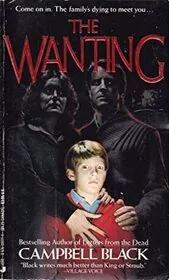
The Wanting
by Campbell Armstrong
1966
A family rents a house in a Northern California vacation town, hoping for peace and fresh air. Instead, their young son falls under the spell of a disturbingly attentive older couple and the town's buried secret.
Assassins and Victims
by Campbell Armstrong
1969
Eric Billings rents a quiet room and tries to get on with his life, but small frictions begin to wear him down. Sleepless nights and rising anger turn an ordinary boardinghouse into a place of real menace.
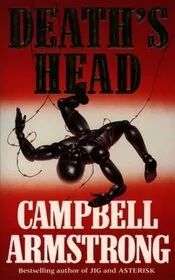
Death's Head
by Campbell Armstrong
1971
In ruined postwar Berlin, a former SS surgeon hides behind a new name and a respectable life. Then a Jewish survivor from his past reappears, setting off a relentless chase through guilt, fear, and revenge.
Punctual Rape
by Campbell Armstrong
1973
Berg arrives in a strange town hoping for a clean start, but everything feels wrong from the moment he steps in. After a brutal assault is pinned on him, he is dragged into a nightmare of dread and bureaucratic madness.
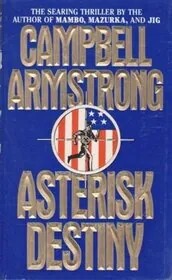
Asterisk Destiny
by Campbell Armstrong
1976
White House aide John Thorne inherits a file on the secret Asterisk Project and starts asking dangerous questions. As he and a desperate CIA ally dig deeper, the conspiracy around them turns deadly.
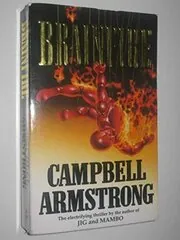
Brainfire
by Campbell Armstrong
1979
After his diplomat brother's death is called suicide, John Rayner begins digging and finds something far worse. His search uncovers murder, mind control, and a plot that could hand terrifying power to the wrong people.
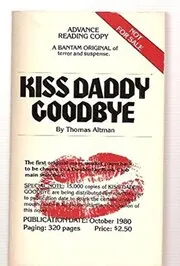
Kiss Daddy Goodbye
by Campbell Armstrong
1980
Emily Allbright joins a babysitting co-op to win time for her writing, but the women around her are not what they seem. Threats gather around her children, and an ordinary suburban plan turns frightening.
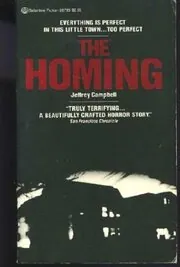
The Homing
by Campbell Armstrong
1980
A slow-burning occult mystery, this novel follows a family's increasingly strange experiences as they turn to a daughter's former professor for answers. What starts as confusion grows into something darker and more disturbing.
Indiana Jones and the Raiders of the Lost Ark
by Campbell Armstrong
1981
Armstrong's novelization follows Indiana Jones from a booby-trapped South American temple to a race with the Nazis for the Ark of the Covenant. It keeps the film's pulpy chases, traps, and breathless momentum.
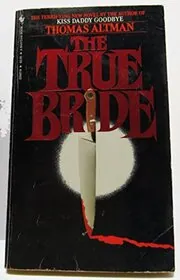
The True Bride
by Campbell Armstrong
1982
Pregnant Ellen Campbell should be feeling safe, but someone keeps terrorizing her with intimate, cruel threats. As her husband's past starts to crack open, love and motherhood give way to a deeply unsettling nightmare.
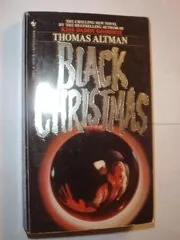
Black Christmas
by Campbell Armstrong
1983
Published as Thomas Altman, this winter-set horror novel turns Christmas into a season of dread, as fear, violence, and suspicion spread through a snowbound community.
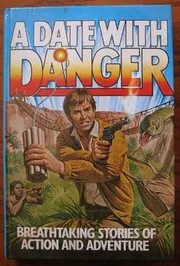
A Date With Danger
by Campbell Armstrong
1984
One of Armstrong's early standalones, this is a lean suspense tale where attraction and threat arrive together. A seemingly ordinary encounter turns risky fast, and the tension keeps tightening from there.
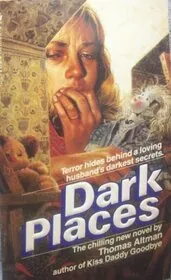
Dark Places
by Campbell Armstrong
1984
Christy McNair thinks she has married the perfect man, until three strangers begin tearing holes in her new life. As her husband's buried past surfaces, marriage, sanity, and survival all come under attack.

Mr. Apology
by Campbell Armstrong
1984
A frustrated New York artist launches a hotline where criminals can anonymously confess and turns the recordings into art. Then one caller announces a killing spree, and the project becomes a direct threat to his life.
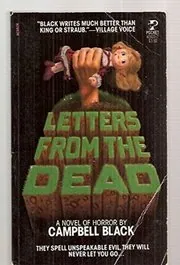
Letters from the Dead
by Campbell Armstrong
1985
A battered Ouija board seems like harmless fun in a run-down seaside cottage, until two children start receiving sinister messages. Soon the adults are facing visions, possession, and an old evil that has not gone away.
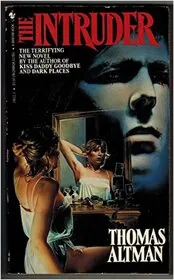
The Intruder
by Campbell Armstrong
1985
Women in the upscale community of Las Cosimas start dying one by one, some in compromising circumstances. Former cop Tobias Manning fears Caroline Cassidy may be next, especially when her new lover seems tied to the past.
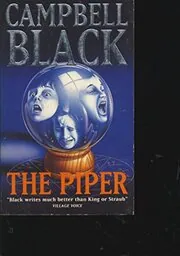
The Piper
by Campbell Armstrong
1986
Published as Campbell Black, this dark standalone builds its suspense patiently, letting menace seep into everyday life until the ordinary starts to feel trapped. It is a good pick if you like Armstrong at his most brooding.
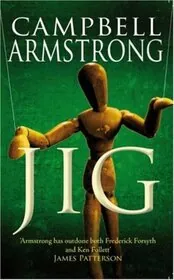
Jig
by Campbell Armstrong
1987
When IRA money disappears in a violent hijacking, the organization sends its most trusted assassin after it. Frank Pagan follows close behind, and the two enemies are forced toward an uneasy alliance as the hunt widens.
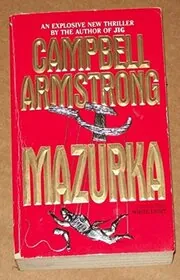
Mazurka
by Campbell Armstrong
1988
What should have been a simple escort job ends with a Russian envoy shot and Frank Pagan under pressure from every side. To clear the case, he has to move through espionage networks stretching from Britain to the Soviet Union.
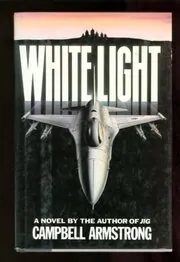
White Light
by Campbell Armstrong
1988
Frank Pagan escorts a Russian envoy to Edinburgh, then watches the routine assignment explode into murder and international crisis. Spies, émigré politics, and a plot against glasnost send him racing across East and West.
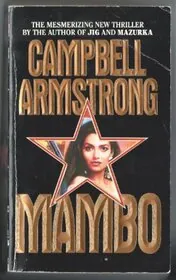
Mambo
by Campbell Armstrong
1990
Frank Pagan hunts a notorious bomb maker whose spectacular attacks have killed all over the world. The chase runs through Britain, Miami, and Havana, where espionage and geopolitics make every lead more dangerous.
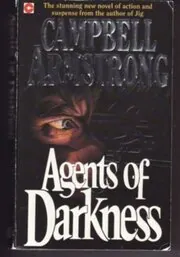
Agents of Darkness
by Campbell Armstrong
1991
A murdered woman in Los Angeles sends suspended cop Charlie Galloway into a case that reaches from Manila to Washington. What looks local soon opens into revenge, covert power, and a lethal government conspiracy.
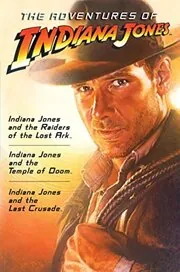
The Adventures of Indiana Jones
by Campbell Armstrong
1991
Writing as Campbell Black, Armstrong takes Indiana Jones from screen to page in a brisk pulp adventure full of ancient mysteries, traps, escapes, and the fast, cliff-edge rhythm of the films.
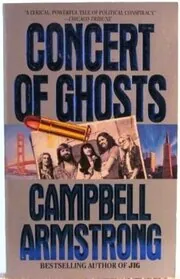
Concert of Ghosts
by Campbell Armstrong
1992
An ex-hippie with huge holes in his memory is pulled back toward the sixties after a police raid wrecks his quiet life. To survive, Harry Tennant must uncover why an old photograph still matters to killers.
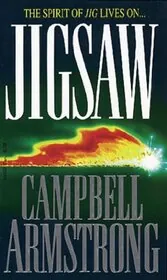
Jigsaw
by Campbell Armstrong
1994
After a deadly bombing on the London Underground, Frank Pagan returns to the hunt and starts following the trail of the terrorist Carlotta. The case widens into assassination, double lives, and a dense international plot.
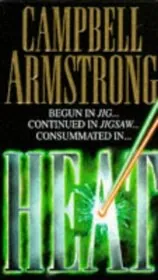
Heat
by Campbell Armstrong
1997
Frank Pagan cannot stop thinking about Carlotta, the elusive terrorist linked to countless deaths. As duty slips toward obsession, hunter and quarry circle each other in a tense game that may end only with one of them dead.
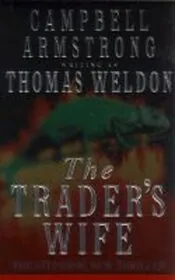
The Trader's Wife
by Campbell Armstrong
1997
Sara Klein's husband disappears along with millions from a broker's accounts, and federal agents think she knows why. With the clock running, she has a day to uncover what happened and decide whom to trust.
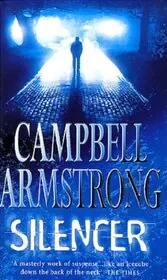
Silencer
by Campbell Armstrong
1998
A key witness who helped jail an arms smuggler is found murdered despite federal protection. Former prosecutor Amanda Scholes digs into the failure and finds a conspiracy that may reach inside the system meant to keep people safe.
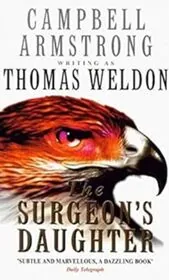
The Surgeon's Daughter
by Campbell Armstrong
1999
Published as Thomas Weldon, this later suspense novel turns family ties and buried secrets into a tight, fast-moving threat. It is Armstrong in a more contemporary key, with private lives pushed toward public danger.
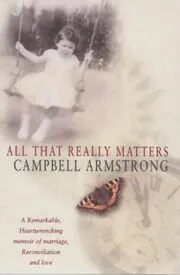
All That Really Matters
by Campbell Armstrong
2000
Armstrong's memoir tells the story of his first wife, Eileen, her daughter given up for adoption, and the painful reunion that comes just as illness closes in. It is candid, unsparing, and unexpectedly tender.
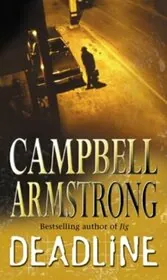
Deadline
by Campbell Armstrong
2000
A Los Angeles psychiatrist learns his wife has been kidnapped and will die unless he hands over a patient's confidential file. To save her, he has to outmaneuver both the kidnappers and the damage that secret could cause.
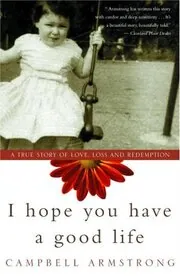
I Hope You Have a Good Life
by Campbell Armstrong
2000
Armstrong's memoir tells the story of his first wife, Eileen, her daughter given up for adoption, and the painful reunion that comes just as illness closes in. It is candid, unsparing, and unexpectedly tender.
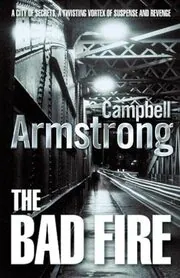
The Bad Fire
by Campbell Armstrong
2001
Eddie Mallon comes back to Glasgow for the funeral of the father he barely knew, then starts asking questions about the murder. What begins as family business opens into older secrets and a much larger threat.
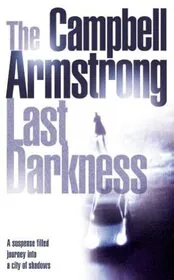
The Last Darkness
by Campbell Armstrong
2002
When a businessman turns up hanging from Central Station Bridge, Lou Perlman suspects murder, not suicide. The case draws him into old loyalties, childhood shadows, and the bitter corners of Glasgow.
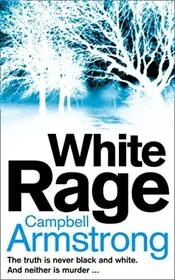
White Rage
by Campbell Armstrong
2004
A fall from a window and the murder of a schoolteacher point to racially driven violence in Glasgow. Lou Perlman chases the killers while grief, family strain, and buried connections make the case even more dangerous.
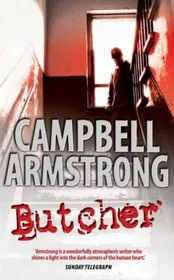
Butcher
by Campbell Armstrong
2006
Officially sidelined, Lou Perlman is pulled back by a gruesome discovery in his own house. His search for Miriam and the truth leads into gangland violence, illegal surgery, and one of Glasgow's most frightening crime bosses.
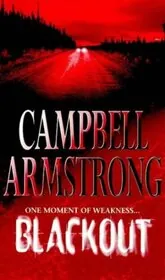
Blackout
by Campbell Armstrong
2012
Cop Gregory Samsa survives a rain-soaked crash, but the prostitute beside him dies. He hides the truth, then ends up investigating when her body surfaces, trapping himself in guilt, lies, and danger.
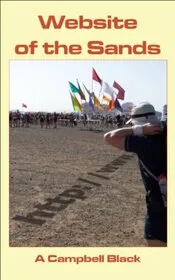
Website of the Sands
by Campbell Armstrong
2013
A rare late short story published under Campbell Black, this is chiefly of interest to longtime Armstrong readers curious about one of his final credited pieces and its familiar dark undertow.
Where to start with Campbell Armstrong
If you want his signature spy thrillers: Jig → Mazurka → Mambo → Jigsaw → Heat
If you want dark Glasgow crime: The Bad Fire → The Last Darkness → White Rage → Butcher
If you want psychological horror: The Wanting → Letters from the Dead → The True Bride
If you want his most personal book: All That Really Matters → I Hope You Have a Good Life
Campbell Armstrong sub-series and character series
Indiana Jones Universe (Campbell Armstrong) books in order
Explore this series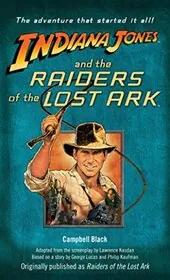
Indiana Jones and the Raiders of the Lost Ark
by Campbell Armstrong
1981Indiana Jones Universe, Book 1
Indiana Jones Universe (Campbell Armstrong) books in chronological order
Indiana Jones and the Raiders of the Lost Ark
by Campbell Armstrong
1981Indiana Jones Universe, Book 1
Indiana Jones: Film Novelizations books in order
Explore this seriesIndiana Jones: Film Novelizations books in chronological order
Campbell Armstrong collections, short stories, and related book types
Non-Fiction
Standalone Campbell Armstrong books
Author bio
Campbell Armstrong was born Thomas Campbell Black in Govan, Glasgow, on February 25, 1944. His father worked as an engineer in the shipyards, and Armstrong later recalled hearing Dylan Thomas on the radio as a small boy and suddenly knowing he wanted to write.
He grew up in Glasgow and carried the city with him for the rest of his life. Robert Louis Stevenson mattered early on, but so did Camus, Kafka, jazz, and folk music. Even when his novels ranged far beyond Scotland, they kept that mix of grit, moral pressure, and dark humor that feels rooted in the streets where he started.
He didn't take a straight road to becoming a full-time novelist. After leaving school young, he later earned a philosophy degree at the University of Sussex, taught creative writing at SUNY Oswego from 1971 to 1974 and at Arizona State from 1975 to 1978, and spent time as a fiction editor in London publishing houses. All of that fed the work, the academic side, the editorial discipline, and the habit of listening hard to how people speak when they are hiding something.
Then the books started to gather real force. His early novels Assassins and Victims and The Punctual Rape both won Scottish Arts Council Awards, and over time he wrote under several names, including Campbell Black, Thomas Altman, and Thomas Weldon. He also moved easily between horror, espionage, crime, psychological suspense, and film tie-ins such as Indiana Jones and the Raiders of the Lost Ark.
Range was one of his habits.
For many readers, the doorway in is Frank Pagan, the bruised counterterrorism man at the center of Jig, Mazurka, Mambo, Jigsaw, and Heat. Those books move through IRA violence, Cold War tension, bomb plots, and international conspiracies, but what makes them last is Pagan himself, stubborn, restless, and never fully at ease with the world he works in. Armstrong could handle the big machinery of thrillers, but he was just as good at showing the wear it leaves on the people inside them.
Another strong way in is the late Glasgow run, especially The Bad Fire, The Last Darkness, White Rage, and Butcher. Here he turns back toward the city he knew best and writes with more weather, more street detail, and more feeling for family damage. Lou Perlman, the detective at the center of the later books, is sharp, secretive, and human enough to make the violence around him hit harder. Readers who like crime fiction with a strong sense of place usually end up here.
He could be very dark, but he wasn't only dark.
His memoir, All That Really Matters, published in the United States as I Hope You Have a Good Life, shows another side of him. It tells the story of his first wife Eileen, the daughter she had given up for adoption as a teenager, and the painful reunion that came decades later when illness was closing in. The book is frank about his own failures, and that honesty helps explain why even his thrillers rarely feel mechanical.
After years spent between Britain and the United States, Armstrong settled in Shannon Harbour, Ireland, with his second wife, Rebecca. He kept writing, kept thinking about Glasgow, and later reflected on how much the city had changed, and how much it hadn't. He died in Dublin on March 1, 2013, just after his sixty-ninth birthday, leaving behind books that are tense, unsentimental, and very alert to the way private wounds spill into public trouble.

Edited by
Software engineer whose passion for tracking book recommendations from podcasts inspired the creation of MRB.
Lead investor at 3one4 Capital whose startup expertise and love for books helped shape MRB and its growth.
Comments
Did we miss something? Have feedback?
Help us improve this page by sharing your thoughts