
Lou Perlman Books in Order
Part ofCampbell Armstrong Books in OrderSee the Lou Perlman books by Campbell Armstrong in order, with quick summaries, series background, and a simple guide to this dark Glasgow crime run.
Last updated:
As an Amazon Associate, we earn from qualifying purchases (at no extra cost to you).
Lou Perlman books in publication order
3 books
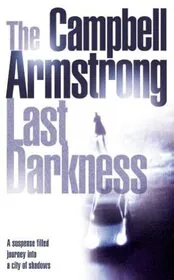
The Last Darkness
by Campbell Armstrong
2002
When a businessman turns up hanging from Central Station Bridge, Lou Perlman suspects murder, not suicide. The case draws him into old loyalties, childhood shadows, and the bitter corners of Glasgow.

White Rage
by Campbell Armstrong
2004
A fall from a window and the murder of a schoolteacher point to racially driven violence in Glasgow. Lou Perlman chases the killers while grief, family strain, and buried connections make the case even more dangerous.

Butcher
by Campbell Armstrong
2006
Officially sidelined, Lou Perlman is pulled back by a gruesome discovery in his own house. His search for Miriam and the truth leads into gangland violence, illegal surgery, and one of Glasgow's most frightening crime bosses.
Lou Perlman books in chronological order
Series background & context
Campbell Armstrong's Lou Perlman books sit inside his late Glasgow work, and they read like a writer going back to old ground with sharper eyes. The Bad Fire opens the broader Glasgow cycle, but Lou really takes command in The Last Darkness and stays at the center through White Rage and Butcher. These are police novels, yes, but they are just as interested in memory, class, family shame, and the way a city keeps score.
Lou Perlman is not a polished hero. He is a detective-sergeant, Jewish, rumpled, stubborn, and often at odds with his own superiors. He carries private grief, complicated family ties, and a strong pull toward the cases that other people would rather leave alone. He can be blunt, funny, and deeply secretive in the same chapter. What makes him work as a series lead is that he notices the details that do not fit the official story, and once he sees the crack, he cannot stop pressing at it.
The cases themselves are dark and varied. The Last Darkness begins with a supposedly suicidal businessman hanging from Central Station Bridge, and the investigation drags Lou back toward the Gorbals and the ghosts of his own past. White Rage moves into racially motivated killings and the fear spreading through Glasgow's streets. Butcher pushes even deeper into gangland territory, with missing people, body parts, illegal surgery, and a crime boss whose cruelty keeps warping everything around him.
Glasgow matters here as much as any suspect. Armstrong writes the city in winter light, in sleet, in station grime, in back rooms and council flats and half-respectable businesses. You get the sense of a place where old loyalties never quite die and where the line between official power and street power is thinner than anyone wants to admit. The city is not scenery. It is pressure.
These books don't clean the city up.
They also do not treat Lou like a machine built to solve puzzles. Across the series you see his history pressing in on him, especially in relation to his brother, Miriam, and the damage left by people he loved and lost. That personal weight is part of the appeal. The crimes are brutal, but the books keep asking what violence does to families, to neighborhoods, and to the people who have to keep walking the same streets after the headlines pass.
If you like crime fiction with neat answers and tidy cops, this may not be your lane. The Lou Perlman novels are rougher, sadder, and more interested in fallout. Start with The Last Darkness if you want Lou fully in focus, then move to White Rage and Butcher. If you want the wider Glasgow picture first, read The Bad Fire before them and watch how Armstrong builds the world Lou has to work in.












Edited by
Software engineer whose passion for tracking book recommendations from podcasts inspired the creation of MRB.
Lead investor at 3one4 Capital whose startup expertise and love for books helped shape MRB and its growth.
Comments
Did we miss something? Have feedback?
Help us improve this page by sharing your thoughts