
Butter in the Well Books in Order
Part ofLinda K Hubalek Books in OrderExplore the Butter in the Well series by Linda K Hubalek in order, with diary-style prairie fiction summaries, family background, and where to start reading.
Last updated:
As an Amazon Associate, we earn from qualifying purchases (at no extra cost to you).
Butter in the Well books in publication order
4 books
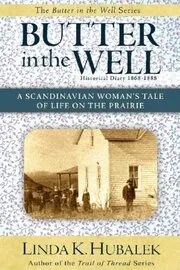
Butter in the Well
by Linda K Hubalek
1992
Kajsa Svensson Runeberg recounts, through diary entries, how her Swedish immigrant family built a farm on the unsettled Kansas prairie. It is an intimate homestead story shaped by weather, loss, work, and stubborn endurance.
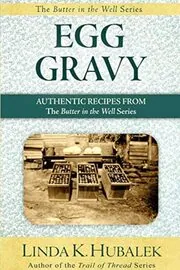
Egg Gravy
by Linda K Hubalek
1993
This companion volume gathers old recipes, household wisdom, and homestead flavor from the world of the Butter in the Well family. It offers a practical, personal taste of pioneer cooking and memory.
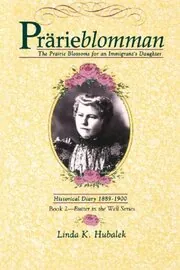
Prarieblomman
by Linda K Hubalek
1993
The story shifts to Alma Swenson as she grows up on the prairie farm her parents carved from Kansas grassland. Her diary traces daily work, family ties, and the slow blooming of a young woman into adult life.
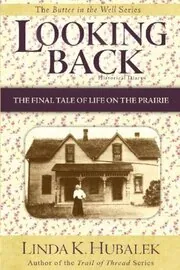
Looking Back
by Linda K Hubalek
1994
At age seventy-five, Kajsa looks back over five decades on the farm she first homesteaded as a young immigrant wife. Her memories turn prairie change, family history, and old griefs into a gentle final reckoning.
Butter in the Well books in chronological order
Series background & context
Butter in the Well is one of Linda K Hubalek's most personal series. It is based on the Swedish immigrant family that homesteaded the farm where she grew up in central Kansas, and that closeness shows on the page. These books are not just about big historical events. They are about what it felt like to live through them day by day.
The series opens with Kajsa Svensson Runeberg, a Swedish emigrant wife building a life on an unsettled prairie homestead from 1868 to 1888. Hubalek tells that story in diary form, which gives the books an intimate, lived-in feel. Readers are right there for the practical work of survival, the births and deaths, the weather, the loneliness, the community gatherings, and the slow building of a farm from almost nothing.
That diary style matters. The tension in these books usually comes less from a big outside villain and more from the ordinary pressure of frontier life. Crops fail. People get sick. Children grow up. Winter takes too long. A family can be grateful one day and frightened the next. Hubalek stays close to the household, which is part of what makes the series feel human.
The second book shifts to Kajsa's daughter Alma and follows her growth into young womanhood on the same farm. That change in perspective lets the series move beyond the first generation of homesteaders and show what happens after survival becomes something more like belonging. The prairie is still hard, but it is also becoming home.
Then there is Egg Gravy, which is a little different from the other books. It gathers recipes and household wisdom tied to the world of the series. That may sound like an extra, but it fits the spirit of these books perfectly. Food, memory, and family knowledge are part of the story too.
By the time Looking Back arrives, Kajsa is an older woman reflecting on fifty years of change. The prairie has changed, the family has changed, and so has the world around them. That final viewpoint gives the series a gentle, thoughtful ending rather than a flashy one.
If you want action-heavy westerns, this may not be the right shelf.
But if you like historical fiction that stays close to domestic life, immigrant experience, Swedish prairie culture, and the emotional weight of ordinary endurance, Butter in the Well is a strong place to begin. It reads like family memory shaped into story, which is exactly what gives it its lasting appeal.




Edited by
Software engineer whose passion for tracking book recommendations from podcasts inspired the creation of MRB.
Lead investor at 3one4 Capital whose startup expertise and love for books helped shape MRB and its growth.
Comments
Did we miss something? Have feedback?
Help us improve this page by sharing your thoughts