
Blindness Books in Order
Part ofJose Saramago Books in OrderSee the Blindness series by Jose Saramago in order, with summaries of both novels, series background, and help choosing between Blindness and Seeing.
Last updated:
As an Amazon Associate, we earn from qualifying purchases (at no extra cost to you).
Blindness books in publication order
2 books
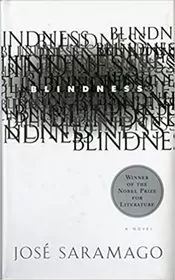
Blindness
by Jose Saramago
1995
An unexplained epidemic of white blindness sweeps through an unnamed city, and society collapses with terrifying speed. Following a small group of survivors, Saramago asks what remains of decency when fear, hunger, and power strip away the rules.
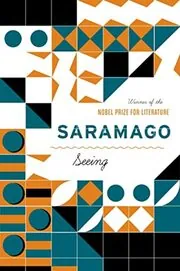
Seeing
by Jose Saramago
2004
Set in the same unnamed country as Blindness, this novel begins when most voters cast blank ballots in a national election. The government's paranoid response turns a political mystery into a fierce satire about democracy, fear, and control.
Blindness books in chronological order
Series background & context
Blindness and Seeing are best thought of as a linked pair rather than a long, many-volume series. The books share the same unnamed country, some of the same characters, and the same deep question: what happens when public life breaks down and people stop trusting the stories that hold a society together? Saramago leaves the setting unnamed on purpose. It makes the books feel less local and more uncomfortably universal.
In Blindness, the crisis is physical and immediate. A strange epidemic of white blindness sweeps through the city, and the government's answer is quarantine, force, and denial. The story narrows to a small group thrown together by chance, including a doctor, his patients, and the doctor's wife, who is mysteriously still able to see. She becomes the witness the others do not have, and often the moral center the collapsing world badly needs.
It is a plague novel, but it is really about hunger, shame, care, and the speed with which civilization thins out.
That is what makes the series so tense. Saramago is less interested in medical explanation than in behavior under pressure. Food, sanitation, fear, sex, rumor, and small acts of kindness all matter. Because most characters are never given conventional names, readers watch them less as private individuals with neat biographies and more as people making choices in public, under stress. The tone is harsh, satirical, and often bleak, but it is never cold.
Seeing returns to the same world several years later and shifts the crisis from bodies to politics. On election day, most citizens cast blank ballots, and the government reacts as if it is facing an organized rebellion. What follows is not another disaster story in the same shape, but a more openly political novel about suspicion, bureaucracy, and the state's need to invent enemies. Familiar figures from Blindness reappear, which gives the second book a lingering emotional charge.
The blindness in this sequel is no longer literal, yet Saramago suggests that moral and civic blindness may be worse.
Together, the two books make up one of Saramago's clearest studies of power and conscience. They are high-stakes, idea-driven novels, but they stay close to ordinary bodies and daily needs. A meal, a walk across the street, a room that feels safe for one night, these small things carry enormous weight. If you read them in order, Blindness gives you the human catastrophe first, then Seeing widens the frame and asks what a society learns, or refuses to learn, afterward. Blindness was adapted for film in 2008, but the books themselves remain sharper, stranger, and more intimate.









Edited by
Software engineer whose passion for tracking book recommendations from podcasts inspired the creation of MRB.
Lead investor at 3one4 Capital whose startup expertise and love for books helped shape MRB and its growth.
Comments
Did we miss something? Have feedback?
Help us improve this page by sharing your thoughts