
Blackford Oakes Books in Order
Part ofWilliam F Buckley Jr Books in OrderThis page shows the Blackford Oakes books by William F Buckley Jr in order, with summaries, Cold War series background, and advice on where to begin.
Last updated:
As an Amazon Associate, we earn from qualifying purchases (at no extra cost to you).
Blackford Oakes books in publication order
12 books
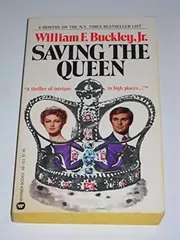
Saving the Queen
by William F Buckley Jr
1976
In 1952, newly recruited CIA man Blackford Oakes is sent to Britain to uncover a dangerous leak near the young Queen Caroline. It is a polished first mission, full of court intrigue, divided loyalties, and Cold War nerves.
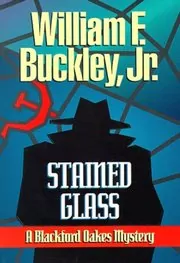
Stained Glass
by William F Buckley Jr
1978
Oakes heads to West Germany to penetrate the circle of Count Wintergrin, a magnetic politician whose push for reunification could upset the balance of Europe. The novel mixes espionage, romance, and the fear that one election might start a war.
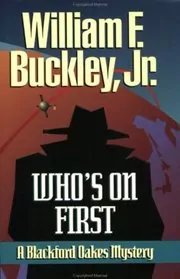
Who's on First
by William F Buckley Jr
1980
Set against the Hungarian uprising of 1956, this Blackford Oakes mission drops its hero into a volatile contest of revolt, repression, and superpower calculation. The pressure is not just personal, it is historical.
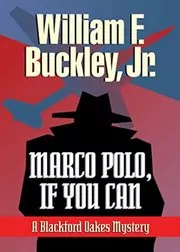
Marco Polo, If You Can
by William F Buckley Jr
1981
Blackford Oakes ends up in Soviet hands after a U-2 flight goes disastrously wrong. Behind the prison walls sits a deeper problem, a mole high inside the American system, and Oakes has to understand it before time runs out.
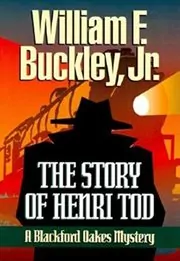
The Story of Henri Tod
by William F Buckley Jr
1983
As Berlin edges toward the Wall in 1961, Oakes is sent to move inside the orbit of resistance hero Henri Tod. Personal history, divided Germany, and covert maneuvering all tighten at once in one of the series' darkest settings.
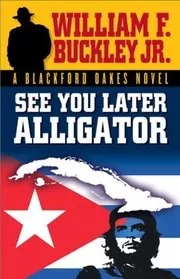
See You Later Alligator
by William F Buckley Jr
1985
Oakes goes to Cuba in 1961 on a secret mission that involves Che Guevara and a last, fragile hope of easing tensions with Washington. Diplomacy, deception, and the shadow of Soviet missiles make every conversation dangerous.
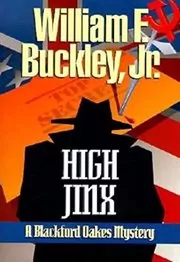
High Jinx
by William F Buckley Jr
1986
After Stalin's death, Oakes is drawn into a dangerous struggle over who will control the Kremlin. The mission turns on hidden loyalties, broken intelligence channels, and the fear that one internal Soviet fight could spill outward.
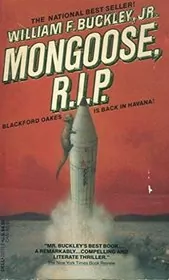
Mongoose, R.I.P.
by William F Buckley Jr
1987
In the aftermath of the Cuban Missile Crisis, Oakes is sent back toward Cuba to assess whether Castro can be toppled. The book turns real CIA plots and real Cold War anxieties into a fast, uneasy espionage story.
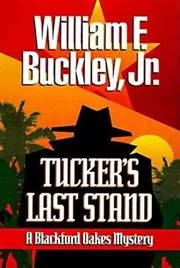
Tucker's Last Stand
by William F Buckley Jr
1990
Oakes heads into Southeast Asia in 1964, teaming with the hard-driving Tucker Montana to disrupt Viet Cong supply lines. It is a jungle mission with military stakes, murky politics, and a sense that the wider war is just beginning.
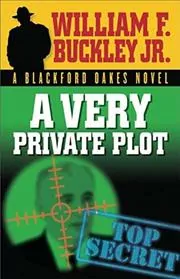
A Very Private Plot
by William F Buckley Jr
1993
Called before Congress in 1995, Blackford Oakes is forced to revisit an earlier covert operation tied to a plot against Mikhail Gorbachev. The story moves between testimony and secret history, showing how old missions refuse to stay buried.
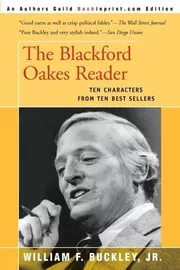
The Blackford Oakes Reader
by William F Buckley Jr
1995
Buckley steps away from the cloak-and-dagger action to explain where Blackford Oakes came from and how the series was made. It works as both a companion to the novels and a window into Buckley's imagination.
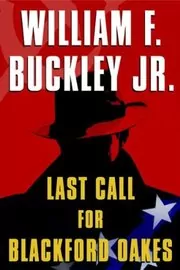
Last Call for Blackford Oakes
by William F Buckley Jr
2005
For his final outing, Oakes goes to Moscow in 1987 and comes face to face with Kim Philby. Age, memory, betrayal, and one more geopolitical crisis give the series an elegiac but still dangerous finish.
Blackford Oakes books in chronological order
Series background & context
The Blackford Oakes books are William F. Buckley Jr.'s long run of Cold War spy novels, but they are not built like gadget-heavy thrillers. Their hero is Blackford Oakes, a former World War II fighter pilot, Yale graduate, and engineer who is recruited into the CIA in the early 1950s. He is smart, polished, and sometimes a little reckless, which makes him useful in rooms where diplomacy, seduction, and nerve matter as much as brute force.
The series begins with Saving the Queen, where Oakes is sent into Britain to investigate a dangerous security leak close to the throne. From there the books move through some of the pressure points of the Cold War: West Germany, Hungary, the Soviet Union, Cuba, Berlin, Vietnam, and finally Moscow. Real events and real figures are always nearby, but Buckley likes to imagine the hidden conversations and covert maneuvers that history books leave out.
That is the real engine of the series.
In one book Oakes may be trying to stop a political movement from tipping Europe toward war. In another he is navigating the Cuban crisis, the building of the Berlin Wall, or the long shadow of Kim Philby. The missions change, but the larger pattern stays steady. Oakes is repeatedly dropped into moments when private intelligence work and public history are colliding, and he has to decide what can be done, what should be done, and what damage will linger either way.
The tone is cool, witty, and talky in a good way. These novels care about statecraft, loyalties, and the strange moral weather of espionage. Buckley enjoys sharp dialogue, elegant settings, and the friction between official policy and the human beings sent out to carry it. Readers who like spy fiction with a lot of atmosphere and a strong sense of political context usually settle in quickly here.
Oakes himself gives the books their continuity. He is not a blank action hero. He has a life before the Agency, a point of view about the struggle with the Soviet bloc, and a habit of carrying himself like a gentleman even when the work turns ugly. That combination gives the series a slightly old-world feel, even when the stakes are nuclear or revolutionary.
The books were published over many years, and their chronology does not always line up neatly with publication order, so this is a series where a books-in-order guide really helps. If you want the cleanest introduction, start with Saving the Queen. If you already know you like Cold War fiction, Stained Glass and Marco Polo, If You Can show how confidently Buckley could turn history into suspense.
Expect espionage, diplomacy, ideological conflict, and a lot of clever maneuvering under pressure. These are spy novels for readers who enjoy both the mission and the conversation around the mission.






Edited by
Software engineer whose passion for tracking book recommendations from podcasts inspired the creation of MRB.
Lead investor at 3one4 Capital whose startup expertise and love for books helped shape MRB and its growth.
Comments
Did we miss something? Have feedback?
Help us improve this page by sharing your thoughts