
Black Country Books in Order
Part ofLindsey Hutchinson Books in OrderSee the Black Country series by Lindsey Hutchinson in order, with book summaries, setting notes, linked themes, and help choosing where to begin.
Last updated:
As an Amazon Associate, we earn from qualifying purchases (at no extra cost to you).
Black Country books in publication order
6 books
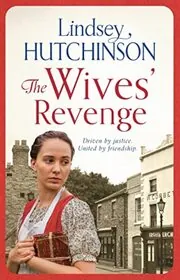
The Wives' Revenge
by Lindsey Hutchinson
2017
Violet Clancy believes justice has finally caught up with her brutal stepfather. Joining the Wednesbury Wives, she helps abused women and struggling neighbors, but their bold methods soon put friendships, reputations, and hearts at risk.
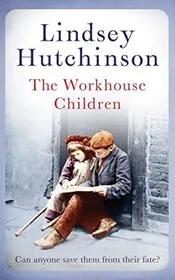
The Workhouse Children
by Lindsey Hutchinson
2017
When Cara Flowers inherits money and one last request from her grandmother, her search for hidden family leads to Bilston workhouse. Horrified by what she finds, she sets out to rescue its children and uncover the truth about her missing mother.
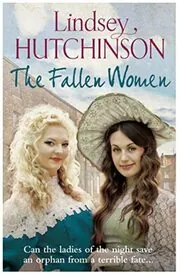
Fallen Women
by Lindsey Hutchinson
2018
Orphan Ann Felton finds work at The Bell and unexpected protection from the women around it. In a hard Wednesbury world divided by class, friendship may be her best chance of survival, and perhaps of changing richer lives too.
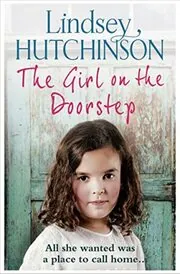
The Girl on the Doorstep
by Lindsey Hutchinson
2018
Orphaned Rosie Harris is raised by Romany travellers and grows up reading palms along the Black Country canals. But as love, jealousy, and ominous glimpses of the future crowd in, her hard-won freedom starts to look fragile.
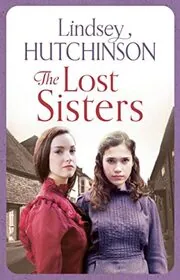
The Lost Sisters
by Lindsey Hutchinson
2018
Peg Meriweather and Orpha Buchanan come from opposite worlds, but both know what it is to be unwanted. As they build a bond in bustling Birmingham, the bitterness of Orpha's mother threatens to drag them back down.
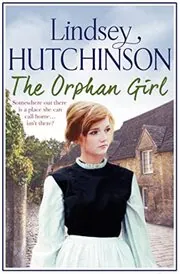
The Orphan Girl
by Lindsey Hutchinson
2018
After abuse at Ryder House, orphan Lily Rae flees to Wednesbury with nothing but her wits. There she crosses paths with gifted singer Tilley Green, and both young women fight to escape Sebastian Ryder's shadow.
Black Country books in chronological order
Series background & context
Black Country is Lindsey Hutchinson's linked historical saga sequence set in the industrial Midlands, beginning with The Workhouse Children and continuing through The Wives' Revenge, The Lost Sisters, The Orphan Girl, The Girl on the Doorstep, and Fallen Women. These books are connected more by place, mood, and social world than by one single hero. You return to the same region again and again, seeing how different women and families try to make a life in towns where poverty is close, gossip travels fast, and safety is never guaranteed.
Place matters here.
Wednesbury, Bilston, Birmingham, and the waterways of the Black Country are not just scenery. The workhouse, the big house, the public house, the market, the canal path, and the back street all shape what is possible for the people in these stories. A bad employer, a cruel relative, a lost inheritance, or one run of bad luck can send a character from security into real danger. At the same time, a decent neighbor or an unexpected friend can make all the difference.
The protagonists change from book to book, but Hutchinson keeps returning to a familiar kind of struggle. In The Workhouse Children, Cara Flowers is pulled toward Bilston workhouse while searching for the family her grandmother kept hidden. The Wives' Revenge follows Violet Clancy and the women of Wednesbury as they try to help abused and desperate neighbors. The Lost Sisters brings Peg and Orpha together despite their very different beginnings. The Orphan Girl centers on Lily Rae and Tilley Green, two young women trying to escape Seb Ryder's reach. In The Girl on the Doorstep, Rosie Harris grows up with Romany travellers and later works among the canal folk. Fallen Women gives Ann Felton shelter with the women around The Bell pub, and then asks how long friendship can protect someone in a harsh world.
These are survival stories first.
What ties the series together is the pressure of ordinary life. People need food, shelter, work, respectability, and someone they can trust. The threats are usually intimate rather than grand, violent men, exploitative employers, cruel parents, class snobbery, hunger, shame, and the constant fear of falling into institutions that strip away choice. But the tone is not relentlessly grim. There is humor, romance, banter, and the kind of hard-won community that keeps these books moving.
If you like historical sagas with strong women, vulnerable children, and a real sense of working-class place, Black Country gives you plenty to settle into. The books can generally be read on their own, but together they build a broader picture of the region that Hutchinson knows so well. Read in order, you can see how she uses the same landscape to tell very different stories about family, endurance, and second chances.








Edited by
Software engineer whose passion for tracking book recommendations from podcasts inspired the creation of MRB.
Lead investor at 3one4 Capital whose startup expertise and love for books helped shape MRB and its growth.
Comments
Did we miss something? Have feedback?
Help us improve this page by sharing your thoughts