
Ben Macintyre Books in Order
Explore Ben Macintyre’s books in order with quick summaries, series background, and where‑to‑start tips for his World War history and espionage nonfiction.
Last updated:
As an Amazon Associate, we earn from qualifying purchases (at no extra cost to you).
Ben Macintyre books in publication order
17 books
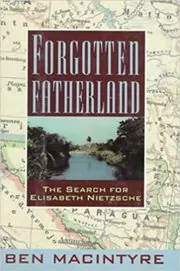
Forgotten Fatherland
by Ben Macintyre
1992
Macintyre traces the strange story of Elisabeth Nietzsche, who tried to build a “racially pure” German colony in Paraguay. Following the surviving community and newly opened archives, he uncovers how her ideas later fed into nationalist myth‑making and Nazi ideology.
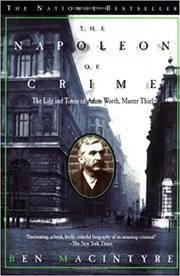
The Napoleon of Crime
by Ben Macintyre
1997
Here Macintyre recreates the life of Adam Worth, the Victorian master thief dubbed the “Napoleon of crime” and model for Moriarty. From art thefts to global confidence tricks, it’s a portrait of a gentleman criminal moving unseen through high society.
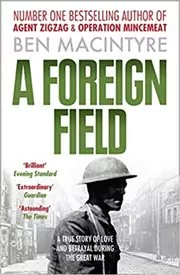
A Foreign Field
by Ben Macintyre
2001
Four young British soldiers trapped behind enemy lines in 1914 hide in the French village of Villeret, protected by locals who risk everything. When love grows between Private Robert Digby and a villager, a later betrayal leads Macintyre to unravel a haunting wartime mystery.
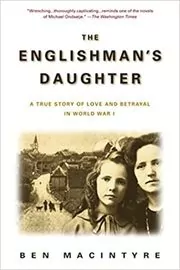
The Englishman's Daughter
by Ben Macintyre
2001
Returning to the same French village, Macintyre pieces together the fate of the child born from Robert Digby’s forbidden romance, known locally as “the Englishman’s daughter.” Through memories and records he shows how one act of love and treachery scarred Villeret for generations.
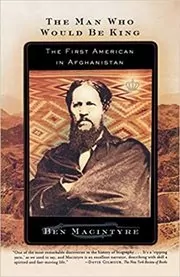
The Man Who Would Be King
by Ben Macintyre
2004
This biography follows Josiah Harlan, a restless Pennsylvanian Quaker who set out in the 1830s to win a kingdom in Afghanistan. Soldier, doctor, spy and dreamer, he became a real‑life model for the tale that later inspired Kipling’s famous story.
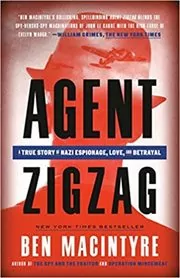
Agent Zigzag
by Ben Macintyre
2007
Macintyre tells the true story of Eddie Chapman, a charming safecracker recruited by the Germans and flipped by MI5. As “Agent Zigzag” he plays both sides in occupied Europe, blurring the line between rogue and patriot in one of WWII’s wildest espionage careers.
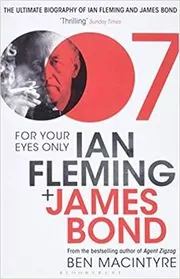
For Your Eyes Only
by Ben Macintyre
2008
This companion to an exhibition about Ian Fleming looks at how his wartime intelligence work, travels and tastes shaped James Bond. Macintyre mixes biography, history and popular culture to show where Fleming’s real world ended and 007’s fantasy began.
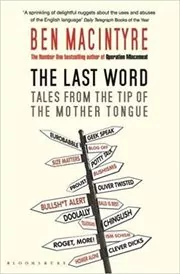
The Last Word
by Ben Macintyre
2009
A collection of Macintyre’s witty pieces about the English language, from slang and texting to etymology and political jargon. He digs into odd phrases, borrowed words and linguistic fads, offering short, lively essays for readers who enjoy how words evolve.
Operation Mincemeat
by Ben Macintyre
2010
In 1943 British intelligence used a dead body, a forged identity and carefully planted documents to persuade the Nazis that Greece, not Sicily, was the target of invasion. Macintyre reconstructs Operation Mincemeat as a true‑life spy caper that helped shape the war.
Double Cross
by Ben Macintyre
2012
Double Cross reveals how a small group of eccentric double agents fed false reports to German handlers before D‑Day. Juggling code names, rival services and fragile loyalties, Macintyre shows how their fabricated stories helped misdirect the Nazi high command.
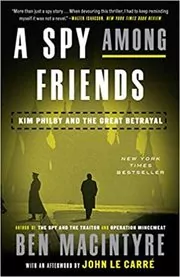
A Spy Among Friends
by Ben Macintyre, John Lee & John le Carré
2014
This book re‑examines Kim Philby, the most notorious Soviet mole in British intelligence, through his intimate friendship with fellow MI6 officer Nicholas Elliott. Macintyre shows how trust, class and old‑boy loyalties blinded colleagues until Philby’s quiet betrayal shattered their world.
Recommended by
1 person Marc Andreessen recommended this book
Marc Andreessen
"True, chilling saga of straight up, profoundly deep treason and betrayal. Sociopaths in high positions of power and influence. Hair curling." - Marc Andreessen
Marc Andreessen's recommendation of this book
Rogue Heroes
by Ben Macintyre
2016
Rogue Heroes charts the birth of Britain’s Special Air Service, from reckless desert raids dreamed up by David Stirling to clandestine missions in occupied Europe. Drawing on secret archives, Macintyre follows a band of misfits whose sabotage tactics changed modern warfare.
The Spy and the Traitor
by Ben Macintyre & Efrén del Valle
2018
Oleg Gordievsky seemed a loyal KGB officer, but for years he secretly spied for Britain. Ben Macintyre follows his double life through the most dangerous years of the Cold War, culminating in a nerve‑shredding escape from Moscow and a reshaped East‑West balance.
Recommended by
3 people Casey Neistat recommended this book
Casey Neistat
"Absolutely fantastic book. Super recommend if you're into spycraft and espionage." - Casey Neistat
Casey Neistat's recommendation of this book  Bill Gates recommended this book
Bill Gates
"Every bit as exciting as my favorite spy novels." - Bill Gates
Bill Gates's recommendation of this book  Brian Dean recommended this book
Brian Dean
"If you have any interest in spies and cold war espionage, you’ll love this true story (especially the crazy ending)." - Brian Dean
Brian Dean's recommendation of this book
Agent Sonya
by Ben Macintyre & Efrén del Valle
2020
Here Macintyre follows Ursula Kuczynski, code‑named “Sonya,” from 1930s Shanghai to wartime Britain. Mother, radio operator and Soviet colonel, she ran agents across continents and passed atomic secrets from physicist Klaus Fuchs, forcing readers to weigh ideology, loyalty and family against espionage.
Prisoners of the Castle
by Ben Macintyre
2022
Prisoners of the Castle tells the story of Colditz, the supposedly escape‑proof Nazi prison for defiant Allied officers. Macintyre looks beyond legendary breakouts to the claustrophobic society inside, where bravery, class tension and quiet despair played out behind the walls.
The Siege
by Ben Macintyre
2024
In The Siege, Macintyre reconstructs the 1980 Iranian embassy hostage crisis in London, from the gunmen’s motives to tense negotiations and the televised SAS assault. Using new testimony, he shows how six days of fear reshaped British views of terrorism and special forces.
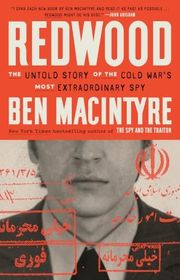
Redwood
by Ben Macintyre
2026
In this forthcoming true account, Ben Macintyre traces KGB officer Vladimir Kuzichkin, codenamed Redwood, as he approaches MI6 in revolutionary Iran. Drawing on archival material and interviews, the book follows his intelligence work, dangerous extraction, and a Cold War crisis shadowed by nuclear escalation.
Where to start with Ben Macintyre
If you want the definitive Cold War spy story: The Spy and the Traitor → A Spy Among Friends.
If you enjoy WWII deception and double agents: Agent Zigzag → Operation Mincemeat → Double Cross.
If you want special forces and POW history: Rogue Heroes → Prisoners of the Castle → The Siege.
If you prefer quieter, deeply human war stories: A Foreign Field → The Englishman’s Daughter.
If you’re curious about his earlier obsessions and language pieces: Forgotten Fatherland → The Napoleon of Crime → The Man Who Would Be King → For Your Eyes Only → The Last Word.
Ben Macintyre collections, short stories, and related book types
Non-Fiction
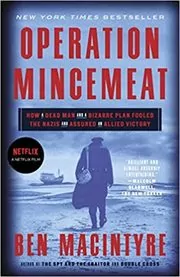
by Ben Macintyre
2010How a Dead Man and a Bizarre Plan Fooled the Nazis and Assured an Allied Victor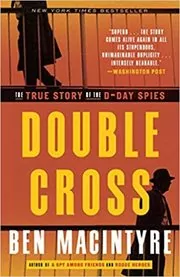

by Ben Macintyre
2016The History of the SAS, Britain's Secret Special Forces Unit That Sabotaged the Nazis and Changed the Nature of War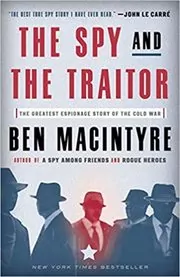
by Ben Macintyre & Efrén del Valle
2018The Greatest Espionage Story of the Cold War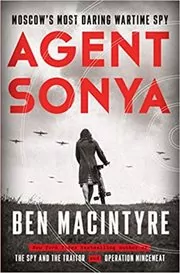
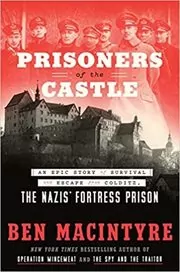
Prisoners of the Castle / Colditz
by Ben Macintyre
2022An Epic Story of Survival and Escape from Colditz, the Nazis' Fortress Prison
Author bio
Ben Macintyre is a British writer and journalist who has turned real‑life espionage and wartime history into page‑turning nonfiction. He writes about spies, soldiers and odd corners of the past with a reporter’s curiosity and a storyteller’s sense of scene.
He was born in Oxford in 1963, the elder son of historian Angus Macintyre and his wife, Joanna. Part of his childhood was spent in a remote corner of Scotland with no electricity or television, but shelves of books and long, wet winters eventually pushed him toward reading.
At Abingdon School, and later at St John’s College, Cambridge, he studied history and learned to enjoy original documents and untidy stories more than neat textbook summaries. After graduating he briefly considered a career in diplomacy and intelligence, even sitting for an interview linked to Britain’s secret services, before deciding that he was far too talkative to make a good spy.
Instead he went into journalism. Macintyre joined national newspapers and built a long career at The Times, where he has worked as correspondent in Paris, New York and Washington before becoming a columnist and associate editor. Reporting on politics and culture by day, he spent his spare time chasing archival leads and half‑remembered anecdotes that felt too rich for a single column.
Those leads turned into books.
His early works already show the pattern. Forgotten Fatherland traces the bizarre German colony in Paraguay founded by Elisabeth Nietzsche, the philosopher’s sister, and what it reveals about racism and myth‑making. The Napoleon of Crime resurrects Adam Worth, the nineteenth‑century master thief whose exploits helped inspire Sherlock Holmes’s nemesis, Professor Moriarty. With A Foreign Field, The Englishman’s Daughter and The Man Who Would Be King, he braids travel, memoir and investigation to uncover forgotten lives on the margins of big events, from the First World War in a French village to an American adventurer trying to carve out a kingdom in Afghanistan.
Agent Zigzag and Operation Mincemeat marked a shift toward twentieth‑century spycraft, showing how double agents, forged identities and deception operations shaped the Second World War, and Double Cross completes that wartime trio with the story of the D‑Day spies who persuaded Hitler to look the wrong way. Later books move into the Cold War and its aftermath: A Spy Among Friends revisits the friendship and betrayal between Kim Philby and fellow MI6 officer Nicholas Elliott; The Spy and the Traitor follows KGB officer Oleg Gordievsky, whose secret work for Britain helped ease superpower tensions; Agent Sonya centres on Ursula Kuczynski, a communist, mother and Soviet colonel who passed atomic secrets from England.
He has also written about unconventional soldiers and prisoners. Rogue Heroes tells the story of the Special Air Service, the small band of desert raiders that grew into Britain’s best‑known special forces unit. Prisoners of the Castle turns Colditz, the supposedly escape‑proof Nazi prison for Allied officers, into a walled‑in society full of ingenuity, boredom and fear. The Siege brings his interest in covert operations into the late twentieth century with a close look at the 1980 Iranian embassy hostage crisis in London and the televised SAS rescue.
Many of these books have led to documentaries and drama series, often with Macintyre himself on screen guiding viewers through old photographs, declassified files and the landscapes where his stories unfolded. In 2014 he was elected a Fellow of the Royal Society of Literature, a quiet acknowledgment that his narrative histories had brought new readers to serious history.
He lives in London and continues to write columns and books, usually about people operating in the grey zones of loyalty and belief. Whether the subject is a master thief, a Quaker adventurer or a worn‑out double agent, his work returns to the same questions: why people take risks, whom they choose to trust, and what betrayal really costs.







Edited by
Software engineer whose passion for tracking book recommendations from podcasts inspired the creation of MRB.
Lead investor at 3one4 Capital whose startup expertise and love for books helped shape MRB and its growth.
Comments
Did we miss something? Have feedback?
Help us improve this page by sharing your thoughts