
Barsetshire Books in Order
Part ofAngela Thirkell Books in OrderBrowse the Barsetshire books by Angela Thirkell in order, with short summaries, recurring characters, series background, and help choosing where to start.
Last updated:
As an Amazon Associate, we earn from qualifying purchases (at no extra cost to you).
Barsetshire books in publication order
30 books
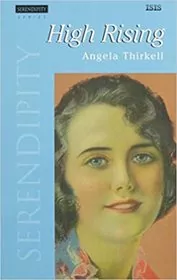
High Rising
by Angela Thirkell
1933
Widowed novelist Laura Morland watches village life, literary egos, and romantic muddles collide in the Barsetshire hamlet of High Rising. A meddlesome secretary and Tony Morland's nonstop chatter keep everyone on edge.
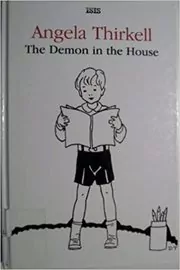
The Demon in the House
by Angela Thirkell
1934
This linked set of stories follows Tony Morland at his most exhausting and funny. Schooldays, visits, and family occasions all become comic battlegrounds once Tony starts talking.
Wild Strawberries
by Angela Thirkell
1934
One summer at Rushwater House brings the Leslie family, French guests, and several hopeful suitors into the same orbit. Amid Lady Emily's lovely confusion, Mary Preston must sort charm from steadiness.
August Folly
by Angela Thirkell
1936
In the village of Worsted, amateur theatricals set off flirtations, jealousy, and comic misunderstandings across one hot summer. A Greek play gives everyone a role, onstage and off.
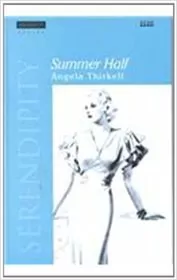
Summer Half
by Angela Thirkell
1937
Young Colin Keith tries life as a master at Southbridge School, only to find that school routines and romantic entanglements are equally demanding. Cricket, holidays, and a disastrous engagement keep the term lively.
Pomfret Towers
by Angela Thirkell
1938
A house party at Pomfret Towers throws shy Alice Barton, capable Sally Wicklow, and the Pomfret heir Gillie Foster together for a weekend of nerves, scheming, and romance. Country house comedy does the rest.
Before Lunch
by Angela Thirkell
1939
In East Barsetshire, a village campaign to save Pooker's Piece overlaps with complicated courtships and quiet emotional reckonings. Catherine Middleton sits at the calm center of all the fuss.
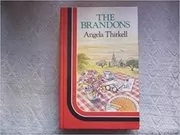
The Brandons
by Angela Thirkell
1939
Lavinia Brandon and her family gather under the shadow of Aunt Sissie's illness, and her money. Inheritance worries, village entertainments, and several courtships turn a tense situation into social comedy.
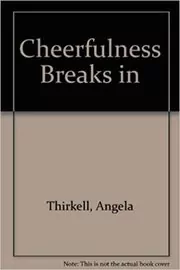
Cheerfulness Breaks In
by Angela Thirkell
1940
As war begins, Barsetshire adjusts to evacuees, refugees, uniforms, and hurried decisions. The familiar county is still funny, but now the stakes feel closer and more uncertain.
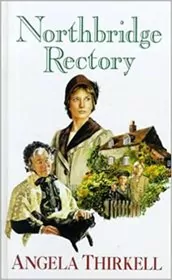
Northbridge Rectory
by Angela Thirkell
1941
At Northbridge Rectory, billeted officers, rationing, and village committees press in on everyday life. The novel balances wartime strain with a wonderfully odd cast, especially Miss Pemberton, Mr. Downing, and Mrs. Turner.
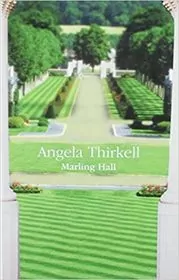
Marling Hall
by Angela Thirkell
1942
During the middle of the war, the Marling family juggles farming, guests, committees, and romantic confusion. Outsiders arrive, chickens cause chaos, and David Leslie proves as troublesome as ever.

Growing Up
by Angela Thirkell
1943
War reaches Beliers Priory in the form of soldiers, convalescence, and long absences. As adults and servants alike face uncertainty, several younger characters are pushed into maturity faster than they expected.
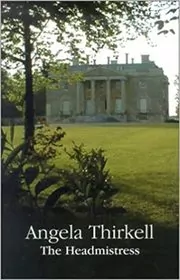
The Headmistress
by Angela Thirkell
1944
When the Beltons lease Harefield Park to a girls' school, wartime village life gains a new center in Miss Sparling. Thirkell mixes class tension, local committees, and unexpected tenderness with perfect control.
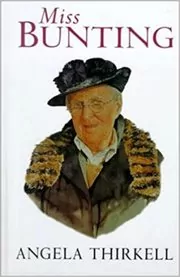
Miss Bunting
by Angela Thirkell
1945
Retired governess Miss Bunting spends one last season tutoring delicate Anne Fielding, while old class barriers and new social realities keep rubbing together. Hallbury is full of sharp talk, anxious parents, and comic uproar.
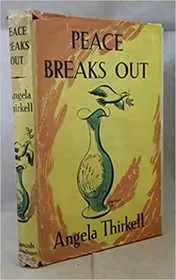
Peace Breaks Out
by Angela Thirkell
1946
The war is ending, but peace brings shortages, politics, and fresh romantic confusion. David Leslie keeps meddling with hearts until Barsetshire finally turns his charm back on him.
Private Enterprise
by Angela Thirkell
1947
Pretty widow Peggy Arbuthnot and her capable sister-in-law Effie arrive in Southbridge and quickly attract admirers, advice, and complications. The book weaves together old families and new possibilities with a light touch.
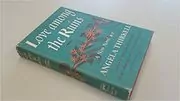
Love Among the Ruins
by Angela Thirkell
1948
Postwar Barsetshire is full of mismatched affections, delayed proposals, and social readjustment. Charles Belton, Oliver Marling, and several other familiar faces circle toward clearer choices.
The Old Bank House
by Angela Thirkell
1949
When Sam Adams buys and restores the Old Bank House at Edgewood, the whole countryside treats the project like public business. Beneath the comedy, returning soldiers and changing fortunes give the story real weight.
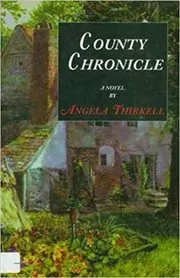
County Chronicle
by Angela Thirkell
1950
New marriages, new money, and local politics reshape Barsetshire's old social map. The book follows several long-running threads as younger characters step forward and older habits come under pressure.
The Dukes Daughter
by Angela Thirkell
1951
The younger Barsetshire generation is suddenly very marriageable, and the county gets busy arranging outcomes. Old favorites, new pairings, and a burst of social energy keep the pages moving.
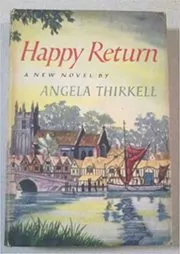
Happy Return
by Angela Thirkell
1952
Parties, dinners, dances, and long-awaited decisions fill this late Barsetshire novel. Even as some romances finally settle, Thirkell keeps an eye on the quiet fading of an older country world.
Jutland Cottage
by Angela Thirkell
1953
A whole network of friends conspires to help the proud Phelps family without making it look like charity. Their plain, dutiful daughter Margot becomes the center of one of Thirkell's kindest comic plots.
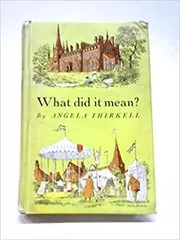
What Did it Mean?
by Angela Thirkell
1954
Coronation fever sweeps Northbridge, and committees, pageants, and local ambitions bring old friends back together. Miss Pemberton, Mr. Downing, and Mrs. Turner give the book much of its heart.
Enter Sir Robert
by Angela Thirkell
1955
Lady Graham waits for the return of the almost mythical Sir Robert, while church business and family expectations generate plenty of elegant dithering. Edith Graham, meanwhile, finds herself surrounded by possible suitors.

Never Too Late
by Angela Thirkell
1956
With estates changing and older certainties under pressure, this novel looks at late life, widowhood, and unexpected chances. It is gentler and more reflective, but still full of Barsetshire crosscurrents.
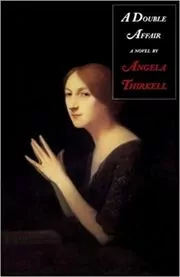
A Double Affair
by Angela Thirkell
1957
Beginning with one wedding and ending with two more, this novel ties up several romantic threads at once. In between, Mrs. Halliday's struggle for independence gives the story extra bite.
Close Quarters
by Angela Thirkell
1958
Recently widowed Margot Macfayden moves among friends in Greshambury, Southbridge, and Harefield while wondering what comes next. Grief, family duty, and the chance of late happiness sit side by side.
Love at All Ages
by Angela Thirkell
1959
This late novel gathers older and younger generations for one more round of dinners, visits, and gentle matchmaking. The plot is slight, but the pleasure lies in spending time with familiar people.
Three Score and Ten
by Angela Thirkell
1961
Laura Morland returns to the center as Barsetshire gathers around her seventieth birthday. Old friends, younger schemers, and one last burst of county business make this a warm farewell.

Christmas at High Rising
by Angela Thirkell
2013
This collection brings together magazine stories from the 1930s and 1940s, several featuring Laura Morland, Tony, and George Knox. Winter outings, Christmas mishaps, and sharp social comedy make it a good sampler.
Barsetshire books in chronological order
Series background & context
Angela Thirkell's Barsetshire novels begin with High Rising, but the series is really a whole social world rather than one long plot. Thirkell borrowed the county of Barsetshire from Anthony Trollope and moved it into her own present, from the 1930s into the 1950s. You do not need to know Trollope first. If you do, you will notice old family names and places. If you do not, the books still read easily as stand-alone comedies of English village and county life.
There is no single hero here. The pleasure comes from the way families, schools, rectories, great houses, and village gossip overlap from book to book. Laura Morland, the cheerful widow and novelist at the center of High Rising, is one of the best guides into the series. Around her gather the Leslies of Rushwater, Lady Emily with her glorious gift for confusion, David Leslie with his restless charm, the Pomfrets, the Marlings, the Warings, the Birketts, the Crawleys, and a long line of children who slowly grow up and begin taking over the story.
The settings matter. These books move through country houses, prep schools, cathedral society, small market towns, and villages with names like High Rising, Worsted, Southbridge, and Northbridge. The stakes are often local but never trivial: who will marry whom, who can afford to keep a house, who belongs, who does not, and how a community absorbs change. Thirkell is funny about vanity, class anxiety, intellectual pomposity, and romantic self-deception, but she is just as interested in competence, kindness, and the work of everyday living.
It is cozy, but it is not weightless.
As the series moves on, the world grows harsher. Books like Cheerfulness Breaks In, Northbridge Rectory, Marling Hall, The Headmistress, and Miss Bunting bring the Second World War into Barsetshire. There are evacuees, rationing, soldiers billeted in spare rooms, women running committees and households, and a constant sense that ordinary life has to be patched together day by day. Thirkell keeps her humor, but the wartime books have extra depth because they show what endurance looks like in kitchens, schools, and village halls.
The series does have ongoing threads, but they are social rather than suspense-driven. Children from one novel reappear as adults in later ones. An awkward flirtation can echo for years. A secondary figure in one book may step forward later and take over the story. That means reading in order gives the richest experience, especially from High Rising through Pomfret Towers and into the wartime novels. But many readers also dip in anywhere and find their footing fast.
What should you expect? A witty, observant comedy of manners, plenty of talk, recurring characters, and a setting that feels more solid with every book. If you want a clean starting point, begin with High Rising. If you want a bigger family and house-party book, try Wild Strawberries or Pomfret Towers. Either way, Barsetshire works best when you read it for company as much as plot.




Edited by
Software engineer whose passion for tracking book recommendations from podcasts inspired the creation of MRB.
Lead investor at 3one4 Capital whose startup expertise and love for books helped shape MRB and its growth.
Comments
Did we miss something? Have feedback?
Help us improve this page by sharing your thoughts