
Avalon (Diana L Paxson) Books in Order
Part ofDiana L Paxson Books in OrderExplore the Avalon books by Diana L Paxson in order, with summaries, historical fantasy context, and clear advice on the best place to begin.
Last updated:
As an Amazon Associate, we earn from qualifying purchases (at no extra cost to you).
Avalon (Diana L Paxson) books in publication order
4 books
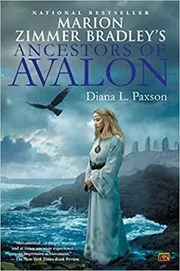
Ancestors of Avalon
by Diana L Paxson
2004
After the island of Ahtarrath is destroyed, priestess Tiriki and her husband Micail are separated while seeking refuge. Their paths lead toward Britain, Stonehenge, and the sacred place that will one day become Avalon.
The Golden Hills of Westria
by Diana L Paxson
2006
A generation after Westria's great wars, Prince Phoenix and his friend Sombra face coming-of-age trials. When Phoenix is taken by slavers and a conquering cult advances, their separate paths become crucial to the kingdom's future.
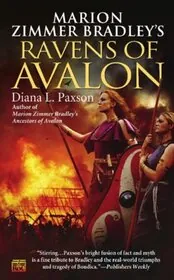
Ravens of Avalon
by Diana L Paxson
2007
Young Boudica studies on Mona and forms a lasting bond with priestess Lhiannon. As Rome tightens its grip on Britain, friendship, faith, and grief help drive Boudica toward a rebellion that will change both their lives.
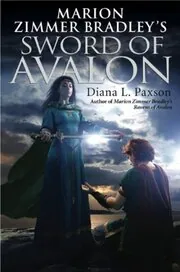
Sword of Avalon
by Diana L Paxson
2009
At the end of the Bronze Age, a lost prince and a master smith become tied to a blade destined for legend. The Lady of Avalon and her daughter must help forge the sword that will one day be called Excalibur.
Avalon (Diana L Paxson) books in chronological order
Series background & context
Diana L. Paxson's Avalon novels take readers far back into the history behind Camelot. These books are set in Britain before Arthur's reign, when Roman power, tribal loyalties, old religious traditions, and new beliefs are all pressing against one another. Avalon is already important, but it is still becoming the sanctuary readers know from the later legend.
The past has not settled down yet.
Ancestors of Avalon begins after the destruction of the island of Ahtarrath. Priestess Tiriki and her husband Micail are separated while seeking refuge, and their different paths lead toward the sacred Tor and the beginnings of what Avalon will become. The novel connects survival after disaster with the problem of preserving a spiritual tradition in an unfamiliar land.
Ravens of Avalon moves into Roman Britain through the linked lives of the priestess Lhiannon and the future rebel queen Boudica. Lhiannon learns at Mona and becomes involved in resistance to Rome, while Boudica is drawn from family life into a conflict with enormous consequences. Their friendship gives the political struggle a human center, and the book keeps its attention on loss, duty, faith, and fury.
Then comes Sword of Avalon, set at the close of the Bronze Age. A displaced prince, a gifted smith, the Lady of Avalon, and her daughter become caught up in the making of a blade that will one day be remembered as Excalibur. The story is less about the polished courtly Arthurian world and more about the hard work, danger, and belief that must exist before such a legend can begin.
Avalon itself is the continuing thread.
It is a holy place, a community of priestesses, and a storehouse for knowledge that might otherwise be lost. Paxson's version of the saga treats magic as part of daily responsibility rather than a shortcut around hard choices. Characters must protect people they love, negotiate with rulers, and decide what parts of the old ways can endure when the world changes.
These are historical fantasies with a serious but approachable tone. Expect Roman occupation, rebellion, migration, religious tension, and mythic echoes rather than a familiar Round Table adventure. Start with Ancestors of Avalon for the earliest story in Paxson's section of the cycle, then continue with Ravens of Avalon and Sword of Avalon to see how the roots of Avalon and its central symbols take shape.





Edited by
Software engineer whose passion for tracking book recommendations from podcasts inspired the creation of MRB.
Lead investor at 3one4 Capital whose startup expertise and love for books helped shape MRB and its growth.
Comments
Did we miss something? Have feedback?
Help us improve this page by sharing your thoughts