
Hallowed Isle Books in Order
Part ofDiana L Paxson Books in OrderFollow the Hallowed Isle books by Diana L Paxson in order, with summaries, Arthurian background, and straightforward help on where to begin.
Last updated:
As an Amazon Associate, we earn from qualifying purchases (at no extra cost to you).
Hallowed Isle books in publication order
4 books
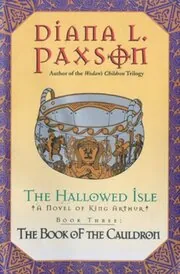
The Book of the Cauldron
by Diana L Paxson
1999
King Artor seeks healing for a war-worn Britain, but the Cauldron's power draws rivalries and darker magic into the open. Guendivar, Igierne, and Morgause each face choices that could reshape the kingdom.
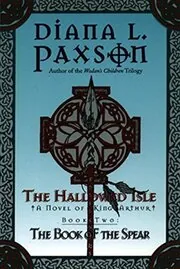
The Book of the Spear
by Diana L Paxson
1999
As Artor begins his reign in fractured Britain, conflict with the Saxons tests his hope of uniting the island. A young Saxon prince's desire for revenge adds another dangerous thread to the growing struggle.
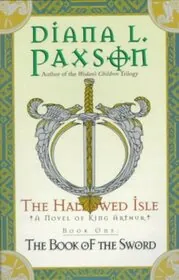
The Book of the Sword
by Diana L Paxson
1999
In post-Roman Britain, the magician Ambros helps prepare the way for Artor, a child destined to unite a divided land. A sword of star-steel and the struggle over kingship shape this early Arthurian tale.
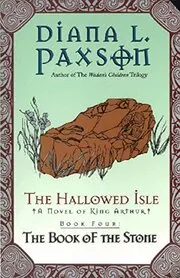
The Book of the Stone
by Diana L Paxson
2000
Artor's hard-won peace begins to crack as war calls him away from Britannia and Medraut reaches for the crown. Guendivar must hold the kingdom together while old resentments and fresh rebellion threaten the hallowed isle.
Hallowed Isle books in chronological order
Series background & context
The Hallowed Isle is Diana L. Paxson's four-book retelling of the Arthurian story. It starts in a Britain left divided after Rome's withdrawal, where tribal rulers, Saxon invaders, old religious customs, and Christianity all compete for influence. Arthur appears here as Artor, a leader whose future matters to every people on the island, not only to one court.
Britannia needs more than another warrior.
The Book of the Sword begins before Artor's birth and follows the making of the sword that will mark him as a future king. Merlin, called Ambros, is central to the early story, as are Artor's lineage and the fragile political conditions that make a unifying ruler necessary. The book treats the famous sword-in-the-stone material as part of a longer struggle over who Britain can become.
In The Book of the Spear, Artor's youth and first years as king bring him into conflict with the Saxons. The series pays attention to the people on different sides of that conflict, including those whose own claims, griefs, and ambitions do not fit neatly into the standard Arthurian tale. War is present, but the books keep returning to the difficult work of holding a fractured country together.
The four hallows guide the shape of the series. They are sacred objects, but they are also ways of looking at leadership, healing, sovereignty, and the health of the land. The Book of the Cauldron turns attention toward Guendivar, Artor's queen, Artor's mother Igierne, and Morgause, as the healing power of the Cauldron becomes a focus of rivalry and danger.
The old story looks different from the edges.
The Book of the Stone brings Artor's later reign into view. Peace is increasingly unstable, Artor is drawn back into war, and Medraut's hunger for power threatens both the king and the country. By this point, the question is not simply whether Artor can win a battle. It is whether the bonds holding Britannia together can survive betrayal, absence, and a new generation's impatience.
The tone is historical fantasy with magic rooted in landscape, custom, and belief. Paxson does not treat the Arthurian cast as polished icons. They are rulers, parents, rivals, priests, and survivors making choices inside a troubled post-Roman world. Read in order, beginning with The Book of the Sword, for the clearest view of how the four hallows and Artor's story build toward the series' final crisis.





Edited by
Software engineer whose passion for tracking book recommendations from podcasts inspired the creation of MRB.
Lead investor at 3one4 Capital whose startup expertise and love for books helped shape MRB and its growth.
Comments
Did we miss something? Have feedback?
Help us improve this page by sharing your thoughts