
Asian Saga Books in Order
Part ofJames Clavell Books in OrderSee the complete Asian Saga series by James Clavell, with every novel in order, short summaries, historical settings, and tips on the best reading order.
Last updated:
As an Amazon Associate, we earn from qualifying purchases (at no extra cost to you).
Asian Saga books in publication order
7 books
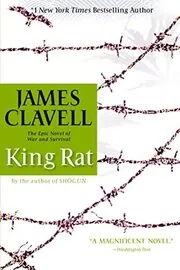
King Rat
by James Clavell
1962
In a squalid Japanese prison camp in Singapore, young RAF officer Peter Marlowe is drawn into the schemes of an American corporal known as the King. Their uneasy partnership tests class loyalties, morality, and the brutal economics of survival.
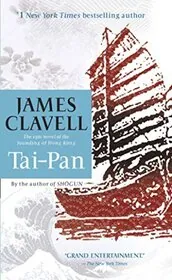
Tai-Pan
by James Clavell
1966
After the First Opium War, Scottish trader Dirk Struan seizes the chance to build a trading empire on the raw island of Hong Kong. Locked in a lifelong feud with rival Tyler Brock, he gambles everything on storms, politics, and shifting alliances.

Shōgun
by James Clavell
1975
English pilot-major John Blackthorne is shipwrecked off the coast of Japan in 1600 and taken captive in a culture he barely understands. As rival warlords maneuver for power, he becomes a pawn and then a samurai, torn between allegiance and desire.
Recommended by
2 people Joe De Sena recommended this book
Joe De Sena
"Puts everything in a proper frame of reference for me. What that guy is going through, it like puts your day in perspective." - Joe De Sena
Joe De Sena's recommendation of this book  Edward Norton recommended this book
Edward Norton
"I devoured [this book]." - Edward Norton
Edward Norton's recommendation of this book
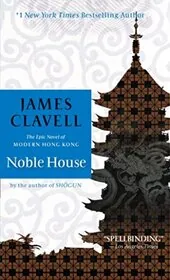
Noble House
by James Clavell
1981
In 1963 Hong Kong, Ian Dunross, the new tai-pan of Struan & Company, discovers his legendary firm is on the brink of collapse. As he courts American investors and battles rival Quillan Gornt, financial intrigue collides with espionage and Cold War tension.

Whirlwind
by James Clavell
1986
Tehran, 1979: as revolution topples the Shah, a multinational team of helicopter pilots working for a British firm scramble to evacuate their families and aircraft. Caught between factions, desert storms, and corporate demands, every flight could be their last.
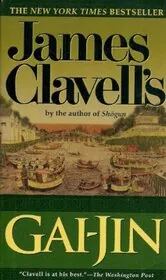
Gai-Jin
by James Clavell
1993
Set in 1860s Japan, Gai-Jin follows Malcolm Struan, heir to the Noble House, after a violent attack on foreign residents near Yokohama. As he recovers and falls for the headstrong Angelique, they are pulled into samurai politics, xenophobic plots, and fragile new trade.

Escape
by James Clavell
1995
Drawn from Whirlwind, Escape centers on Finnish pilot Erikki Yokkonen and his Iranian wife Azadeh as Iran erupts in revolution. While Erikki races to save company helicopters, the couple must slip through checkpoints and family loyalties to win their freedom.
Asian Saga books in chronological order
Series background & context
The Asian Saga is James Clavell's long, loosely connected cycle of historical novels about the struggle for power around the edges of the Pacific. Each book stands alone, but together they follow traders, soldiers, and families through more than three hundred years of upheaval. At the core sits Struan & Company, the 'Noble House' trading firm whose fortunes rise and fall as empires do. Names, half-remembered stories, and even old debts echo from one volume into the next, giving the series the feel of a shared world.
Chronologically, the story begins with Shōgun, set around the year 1600 in feudal Japan. English pilot-major John Blackthorne is shipwrecked on the coast and drawn into the uneasy alliance between local warlord Toranaga and the European powers already in Japan. Through him, readers experience the shock of a closed, highly structured society meeting ambitious outsiders who bring guns, trade, and a different faith. The book sets up many of Clavell's favorite tensions, from clashes over honor to the price of loyalty.
Next comes Tai-Pan, which jumps forward to 1840s Hong Kong just after the First Opium War. Scottish trader Dirk Struan, the first tai-pan of Struan & Company, gambles everything on turning a rocky island into the hub of British trade with China. His bitter rivalry with fellow merchant Tyler Brock, his alliance with Chinese partners, and his complicated family life lay the foundation for the multi-generational saga. Here the Noble House gains its nickname and its myth, as business decisions become matters of life, death, and empire.
Gai-Jin moves the action to 1860s Japan, where the descendants of the Struans and their enemies navigate a country split between isolation and forced opening. Injured heir Malcolm Struan and the spirited Angelique Richaud find themselves entangled with samurai factions, foreign legations, and plots to reshape the nation. The novel digs into the dangerous mix of resentment and fascination that shaped Japan's early encounters with the West.
Later books shift to the twentieth century. King Rat returns to Southeast Asia in 1945, following prisoners of war in Singapore's Changi camp and the American corporal who thrives as a black-market trader. It is the most tightly focused book in the series, yet it introduces Peter Marlowe, an author figure who reappears in Noble House and connects the brutal camp years to postwar Hong Kong.
Noble House itself is set in 1963 and centers on Ian Dunross, a modern tai-pan struggling to keep Struan & Company afloat amid bank runs, stock-market gambles, and Cold War espionage. Whirlwind then carries the saga to Iran in 1979, where a helicopter company secretly owned by the Noble House fights to save its aircraft and crews as revolution sweeps the country. Clavell later pulled one love story from Whirlwind into a separate, shorter novel, Escape.
Taken together, the Asian Saga novels blend business, politics, and personal drama with a close eye for how cultures collide and adapt. You can read any of them on its own, but following them in order lets you watch the same families, firms, and ideas ripple through centuries. This page gathers the full Asian Saga by James Clavell in order, with brief summaries and suggestions on where to start.








Edited by
Software engineer whose passion for tracking book recommendations from podcasts inspired the creation of MRB.
Lead investor at 3one4 Capital whose startup expertise and love for books helped shape MRB and its growth.
Comments
Did we miss something? Have feedback?
Help us improve this page by sharing your thoughts