
Arthur Ransome Books in Order
This page lists all Arthur Ransome books in order, with brief summaries, Swallows and Amazons background, and clear guidance on where new readers should begin.
Last updated:
As an Amazon Associate, we earn from qualifying purchases (at no extra cost to you).
Arthur Ransome books in publication order
45 books
The Souls of the Streets and Other Little Papers
by Arthur Ransome
1904
An early collection of sketches and essays about life in turn of the century London, this volume looks closely at street traders, narrow courts and working families, mixing social observation with sympathy for people surviving on the margins.
Pond and Stream
by Arthur Ransome
1906
Following the Imp and the Elf beside ponds, ditches and streams, this natural history book for children explains the busy world of tadpoles, minnows, insects and water birds, showing how to watch, paddle and build small dams without harming the wildlife.
The Child's Book of the Seasons
by Arthur Ransome
1906
Through the eyes of two children, the Imp and the Elf, this gentle nature book follows spring, summer, autumn and winter in the English countryside, inviting young readers to notice flowers, weather and small creatures as each season arrives.

The Things in our Garden
by Arthur Ransome
1906
Written for children, this companion to Ransome's other nature books explores a single garden in close detail, introducing birds, insects, flowers and small animals while encouraging curiosity, quiet observation and a sense of wonder in everyday outdoor life.
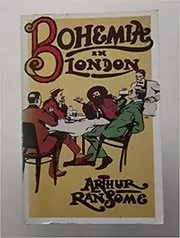
Bohemia In London
by Arthur Ransome
1907
Part memoir and part guidebook, this portrait of early twentieth century London wanders through Chelsea, Soho, Fleet Street and Hampstead, capturing the cafés, studios and shabby lodgings where writers, artists and would be bohemians argued, dreamed and tried to earn a living.
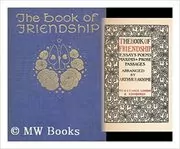
The Book of Friendship
by Arthur Ransome
1909
An anthology of essays, poems, maxims and short prose passages about friendship, selected and arranged by Ransome from writers across many centuries, offering reflections on loyalty, companionship and quarrels in a compact bedside or gift book.
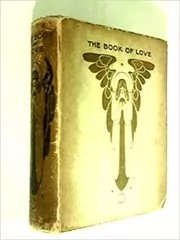
The Book of Love
by Arthur Ransome
1911
Like its companion volume 'The Book of Friendship', this anthology gathers essays, poems, aphorisms and brief prose pieces on love in many forms, from romance to family affection, arranged for dipping into rather than straight through reading.
The Hoofmarks of the Faun
by Arthur Ransome
1911
An unusual early collection of Ransome's short fiction, this volume gathers several fantastical and reflective pieces that circle around art, imagination and desire, blending everyday settings with hints of myth and the uncanny.
Oscar Wilde
by Arthur Ransome
1912
Ransome's critical study of Oscar Wilde combines a brisk biographical sketch with close readings of Wilde's plays, fiction and essays, exploring how his ideas about art, style and self invention developed and how his public downfall shaped later views of his work.

Portraits and Speculations
by Arthur Ransome
1913
This essay collection looks at nineteenth century writers and critics, from Aloysius Bertrand and Alphonse Daudet to Nietzsche and Walter Pater, as Ransome examines the slogan 'art for art's sake' and argues instead for art that deepens our sense of lived experience.
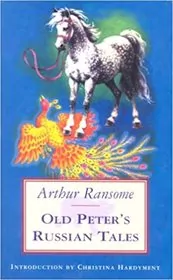
Old Peter's Russian Tales
by Arthur Ransome
1916
Framed by evenings in a forest hut where Old Peter tells stories to his grandchildren Maroosia and Vanya, this classic collection retells twenty Russian folk tales full of witches, wolves, foolish peasants and flying ships in clear, conversational English.

Open Letter to America
by Arthur Ransome
1918
Written during the Russian Revolution, this short pamphlet sets out Ransome's eyewitness picture of Soviet Russia and appeals to American readers to judge events for themselves, explaining the Bolsheviks, the civil war and the choices facing the new republic.
Six Weeks in Russia in 1919
by Arthur Ransome
1919
Based on his diary from a brief return to revolutionary Russia, this book offers an on the ground account of Moscow and Petrograd in 1919, describing shortages, political debates and everyday life as the new Soviet state struggled to survive.

The Crisis In Russia
by Arthur Ransome
1920
A follow up to his earlier reporting, this study analyses the economic and political crisis in Russia around 1920, focusing on shortages of goods and labour, the Communist Party's attempts at reconstruction and what those struggles might mean for the rest of Europe.
The Soldier and Death
by Arthur Ransome
1922
In this dark, often humorous folk tale retold from Russian tradition, a discharged soldier receives magical cards and a sack, outwits devils in an abandoned palace and even traps Death itself, only to discover that a world without dying brings new troubles.
Racundra's First Cruise
by Arthur Ransome
1923
Ransome's sailing classic recounts a six week autumn voyage in his small yacht Racundra across the Baltic from Riga to Finland and back, celebrating careful seamanship, changing weather and the quiet companionship of his two crew on little visited coasts.

The Chinese Puzzle
by Arthur Ransome
1927
Drawn from his reporting trips to China in the 1920s, this book examines British policy, the rise of the Kuomintang and the tensions between Chinese nationalists, foreign powers and ordinary workers and peasants, turning complex politics into vivid travel narrative.
Swallows and Amazons
by Arthur Ransome
1930
During a summer at an English lake, the Walker children sail the dinghy Swallow, befriend local sisters Nancy and Peggy with their boat Amazon, and turn camping on Wild Cat Island into a full-scale pirate campaign against the mysterious Captain Flint.
Recommended by
1 person Richard Branson recommended this book
Richard Branson
Richard Branson recommended this book on his "70 must-read books" blog post.
Richard Branson's recommendation of this book
Swallowdale
by Arthur Ransome
1931
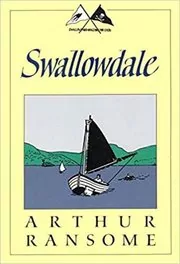
Back at the lake for a second summer, the Swallows and Amazons lose their beloved dinghy in an accident and are forced to explore ashore, discovering a hidden valley they name Swallowdale while outwitting the fearsome Great Aunt who wants the pirates tamed.
Peter Duck
by Arthur Ransome
1932
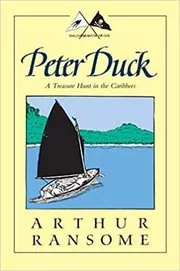
On board Captain Flint's schooner Wild Cat, the Swallows and Amazons join old sailor Peter Duck on a treasure hunt to distant Crab Island, racing a villainous rival crew through storms, sharks and earthquakes in a full blooded seafaring adventure imagined by the children.
Winter Holiday
by Arthur Ransome
1933
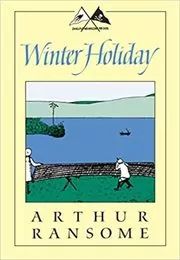
Stranded at the lake over a frozen winter, the Swallows and Amazons befriend new arrivals Dick and Dorothea and turn the ice into an Arctic expedition, building igloos, sledges and signal posts until a blizzard and a missed message turn play into a dangerous rescue.
Coot Club
by Arthur Ransome
1934
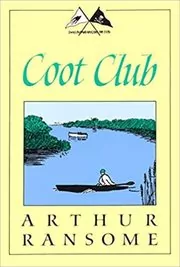
On the Norfolk Broads at Easter, Dick and Dorothea learn to sail with Tom Dudgeon and his Coot Club friends, who patrol the rivers to protect nesting water birds and find themselves pursued by a noisy party of holidaymakers whose cruiser they have secretly set adrift.
Pigeon Post
by Arthur Ransome
1936
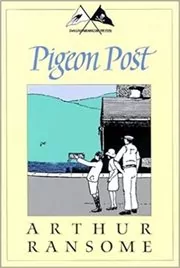
During a hot, dry summer in the Lake District, the Swallows, Amazons and Ds camp high on the fells to search for a lost mineral vein, relying on homing pigeons for messages while dealing with water shortages, rival prospectors and the constant risk of moorland fire.
We Didn't Mean to Go to Sea
by Arthur Ransome
1937
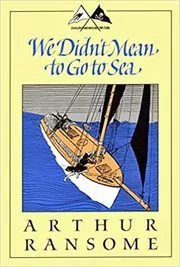
While staying on the River Orwell, the four Swallows help moor the cutter Goblin and are invited for a short sail, but fog, a dragging anchor and rising wind carry them unexpectedly into the North Sea, where their seamanship and nerve are tested in heavy weather.
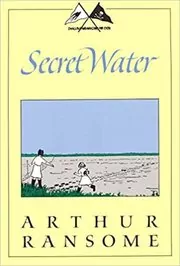
Secret Water
by Arthur Ransome
1939
Marooned with a dinghy in the maze of tidal creeks known as Secret Water, the Swallows and Amazons turn their stay into a surveying expedition, mapping islands, keeping a log and negotiating truces and rivalries with local children who see themselves as native tribes.
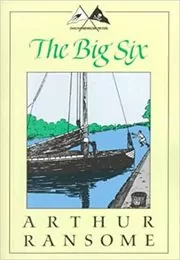
The Big Six
by Arthur Ransome
1940
Back on the Norfolk Broads, Dick and Dorothea join Tom and the Death and Glories to investigate a string of boats mysteriously cast adrift, forming the 'Big Six' detective club and using notebooks, cameras and quiet observation to clear their friends of blame.
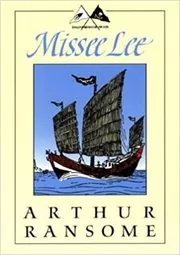
Missee Lee
by Arthur Ransome
1941
On a round the world voyage in the Wild Cat, the Swallows, Amazons and Captain Flint are shipwrecked off the South China coast and captured by the Three Island pirates, where the scholarly Missee Lee, their unexpected leader, prefers Latin lessons and ceremony to simple ransom.
The Picts & the Martyrs or Not Welcome at All
by Arthur Ransome
1943
When the Amazons' formidable Great Aunt descends on Beckfoot, Dick and Dorothea hide in a stone hut in the woods as secret 'Picts' while Nancy and Peggy endure being turned into respectable 'Martyrs', all four juggling woodcraft, spying and narrow escapes from discovery.
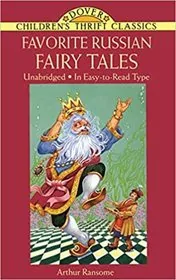
Favorite Russian Fairy Tales
by Arthur Ransome
1946
This slim volume gathers six of Ransome's favourite Russian folk tales for children, including stories of the Firebird, the minstrel Sadko and the witch Baba Yaga, offering a mix of quest, magic and trickery in brisk, readable retellings.
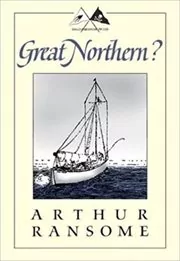
Great Northern? A Scottish Adventure of Swallows & Amazons
by Arthur Ransome
1947
On a cruise in the Outer Hebrides with Captain Flint, the Swallows, Amazons and Ds discover what may be the nest of a very rare diver, then clash with an unscrupulous egg collector as they race to protect the birds without wrecking local loyalties.

Mainly about Fishing
by Arthur Ransome
1959
A later companion to Rod And Line, this collection of essays ranges from Victorian fly tyers to Ransome's own blue elver fly, mixing riverside stories, reflections on salmon and trout, and affectionate comments on the quirks of anglers and angling literature.
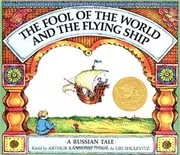
The Fool of the World and the Flying Ship
by Arthur Ransome
1968
This picture book retells a Russian fairy tale about a simple young man who builds a flying ship, gathers a band of odd companions with extraordinary talents and sets out to win a princess, only to find that kindness and patience matter as much as magic.
Edgar Allan Poe
by Arthur Ransome
1972
In this critical biography, Ransome traces Edgar Allan Poe's troubled life and examines his major poems and tales, showing how themes of horror, obsession and intricate structure grew from his circumstances and helped shape later detective and fantastic fiction.
A History of Story-Telling
by Arthur Ransome
1973
Subtitled 'Studies in the development of narrative', this survey follows storytelling from medieval romances through Cervantes, the great eighteenth century novelists and later writers such as Poe and Flaubert, tracing how different techniques changed the way stories are told.
The Autobiography of Arthur Ransome
by Arthur Ransome
1976
Edited from his unfinished manuscript, this autobiography follows Ransome from his Leeds childhood through London literary circles, Russian travels, journalism and sailing in the Baltic, ending just after the publication of Peter Duck and offering frank snapshots of his early life.
Rod And Line
by Arthur Ransome
1980
Drawn from his angling columns, this classic of fishing literature gathers fifty essays about rivers, tackle and the pleasures of casting, combining practical observation with humour and quiet philosophy in prose many readers cherish as much as any of his fiction.
The War of the Birds and the Beasts
by Arthur Ransome
1984
This posthumous collection brings together some of Ransome's darker Russian folk tales, including the title story, 'The Soldier and Death' and several others in which peasants, soldiers and talking animals face hard bargains, cruel twists of fate and occasional, grim humour.
Coots In The North And Other Stories
by Arthur Ransome
1988
An anthology built around the fragmentary novel Coots in the North, in which the Death and Glories travel from the Norfolk Broads to the Lake District, accompanied by additional short pieces about sailing, fishing, Russian peasants and an unfinished Victorian style river story.

Signalling From Mars: The Letters of Arthur Ransome
by Arthur Ransome
1997
Selected and edited by Hugh Brogan, this volume of letters follows Ransome from apprentice writer through his Russian years and on into the heyday of Swallows and Amazons, revealing his private voice, friendships, doubts and delight in boats, landscapes and stories.
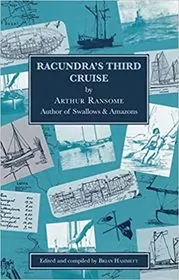
Racundra's Third Cruise
by Arthur Ransome
2002
Compiled after Ransome's death from his typescript, this sequel describes a leisurely inland honeymoon voyage up the river from Riga to Jelgava in Racundra, lingering over quiet anchorages, river towns and the pleasures of small boat cruising with his new wife.
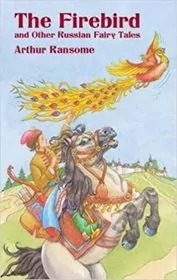
The Firebird and Other Russian Fairy Tales
by Arthur Ransome
2004
Nine Russian fairy tales retold in Ransome's clear style, this collection features fiery birds, sea kings, clever peasants and fearsome witches, offering slightly longer, more elaborate stories that balance adventure with the melancholy and humour of traditional village storytelling.
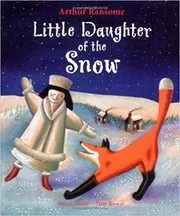
Little Daughter of the Snow
by Arthur Ransome
2005
Based on a tale first told in Old Peter's Russian Tales, this picture book follows an old couple who shape a daughter from snow and briefly enjoy her company, only to learn that love measured against comfort and small bargains can cause a magical child to vanish.
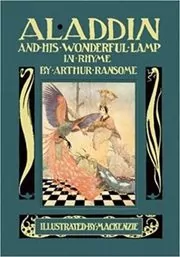
Aladdin and His Wonderful Lamp, in Rhyme
by Arthur Ransome
2008
A lively verse retelling of the familiar Aladdin story, this version keeps the magic lamp, cavern and princess but turns the tale into rhyming stanzas, making the adventures of Aladdin and his troublesome genie easy to read aloud.

Arthur Ransome's Long-Lost Study of Robert Louis Stevenson
by Arthur Ransome
2011
Long hidden and published decades after it was written, this early critical study finds Ransome reading Robert Louis Stevenson as a working writer, analysing his adventure tales and travel books and reflecting on how Stevenson's methods might shape his own later fiction.
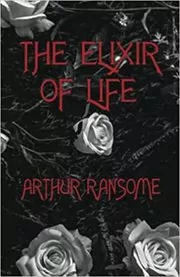
The Elixir of Life
by Arthur Ransome
2021
Ransome's only full length original novel outside the Swallows and Amazons books is a Gothic romance about a young man who encounters an alchemist claiming to have discovered an elixir of life, and discovers how a quest for immortality can demand a terrible human price.
Where to start with Arthur Ransome
If you want the core children's adventures: Swallows and Amazons → Swallowdale → Winter Holiday → Pigeon Post
If you enjoy rivers, boats and gentle mysteries: Coot Club → The Big Six → Coots In The North And Other Stories
If you like folklore and fairytales: Old Peter's Russian Tales → Favorite Russian Fairy Tales → The Firebird and Other Russian Fairy Tales → The Fool of the World and the Flying Ship
If you are interested in Ransome the journalist and sailor: Six Weeks in Russia in 1919 → The Crisis In Russia → Racundra's First Cruise → Rod And Line
Arthur Ransome sub-series and character series
Swallows and Amazons books in order
Explore this series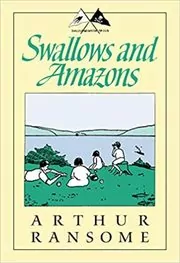

Great Northern? A Scottish Adventure of Swallows & Amazons
by Arthur Ransome
1947Swallows and Amazons, Book 12
Swallows and Amazons books in chronological order
Great Northern? A Scottish Adventure of Swallows & Amazons
by Arthur Ransome
1947Swallows and Amazons, Book 12
Arthur Ransome collections, short stories, and related book types
Children's Books
Collections
Non-Fiction
Standalone Arthur Ransome books
Author bio
Arthur Ransome was born in Leeds in 1884 and grew up between a university city and the fells and lakes of north west England. His father was a history professor who took the family walking and sailing in the Lake District, and those holidays lodged in his memory for life.
After his father's early death, Ransome's childhood became more unsettled. He was sent to school at Windermere and then Rugby, where poor eyesight and little interest in team sports made him feel out of place. What he did love were books, notebooks and long walks outdoors.
He left a short spell of science study at Yorkshire College and moved to London to become a writer, supporting himself with low paid jobs in publishing and editing a struggling magazine. Out of that apprenticeship came early books such as Bohemia in London, sketches of the artists and would be bohemians he met in Chelsea and Soho, and a series of nature books for children.
In 1913 he went to Russia to study its folk tales and quickly became fascinated by the country. When war and revolution came, he stayed on as a foreign correspondent, travelling widely, interviewing Bolshevik leaders and filing long reports for British newspapers. Out of those years came Old Peter's Russian Tales, Six Weeks in Russia in 1919, The Crisis in Russia and a strong sense of how politics and ordinary life intersect.
Ransome also met Evgenia Shelepina in Russia, at first Leon Trotsky's secretary and later his second wife. The pair eventually settled back in England, choosing the lakes over a permanent foreign posting. He kept writing journalism but increasingly shaped his life around sailing, fishing and the quiet craft of books. Accounts like Racundra's First Cruise and Rod And Line show just how closely he watched wind, tide and water.
By the late 1920s he was living again in the Lake District and began to put his childhood landscapes straight into fiction. Swallows and Amazons, published in 1930, introduced the Walker and Blackett children, their dinghies Swallow and Amazon, and a game of make believe piracy that never loses sight of real weather, real boats and real responsibility. Over the next seventeen years he wrote eleven more linked novels, ranging from frozen winter expeditions in Winter Holiday to Norfolk Broad mysteries in Coot Club and the North Sea crossing of We Didn't Mean to Go to Sea.
Readers come back to these books for the same things that absorbed Ransome himself, careful descriptions of sailing and camping, children trusted to get things mostly right, and adventures that grow naturally out of map making, tides and local people rather than from villains alone. Even his metafictional tales like Peter Duck and Missee Lee keep one foot in concrete seamanship.
Alongside the children's books he kept returning to older interests, writing about fishing in Mainly about Fishing, collecting and editing his own letters, and seeing collections of Russian tales such as The War of the Birds and the Beasts appear after his death. Honours followed, including the first Carnegie Medal for Pigeon Post, university degrees and a CBE, but he wore them lightly.
Ransome died in 1967 and is buried with Evgenia in the churchyard at Rusland, in the southern Lake District he loved. His stories of small boats, makeshift camps and determined children still send readers out to look more closely at their own lakes, rivers and back gardens, and to treat play as something serious, absorbing and worth remembering.





Edited by
Software engineer whose passion for tracking book recommendations from podcasts inspired the creation of MRB.
Lead investor at 3one4 Capital whose startup expertise and love for books helped shape MRB and its growth.
Comments
Did we miss something? Have feedback?
Help us improve this page by sharing your thoughts