
Anthony Trollope Books in Order
Explore Anthony Trollope books in order, with reading order guides, quick summaries, series background, and help choosing the best place to start.
Last updated:
As an Amazon Associate, we earn from qualifying purchases (at no extra cost to you).
Anthony Trollope books in publication order
81 books
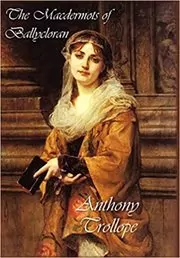
The Macdermots of Ballycloran
by Anthony Trollope
1847
Thady Macdermot struggles to hold together his family's failing Irish estate while his sister falls under the spell of a hated officer. The result is a bleak early novel about poverty, violence, and injustice.
The Kellys and the O'Kellys
by Anthony Trollope
1848
This early Irish novel follows Lord Ballindine, his tenant Martin Kelly, and the scheming Barry Lynch through debt, courtship, and inheritance trouble. It is looser and more comic than Trollope's first book, but still edged with danger.
La Vendee
by Anthony Trollope
1850
Set during the royalist rising in western France, this historical romance follows love and divided loyalties against the violence of revolution. It is Trollope at his most overtly historical.
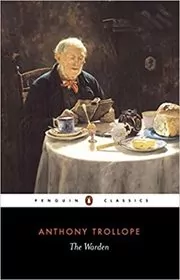
The Warden
by Anthony Trollope
1855
Septimus Harding, gentle warden of a church charity, is forced to ask whether his comfortable income is morally defensible. A quiet dispute over reform becomes a piercing story about conscience, loyalty, and public pressure.
Recommended by
1 person Tim O’Reilly recommended this book
Tim O’Reilly
"You read [this book] and you go, 'Oh, my God, I’m reading a novel about the moral quandaries of an 1850s British cleric, and it’s fricking fascinating.'" - Tim O’Reilly
Tim O’Reilly's recommendation of this book
Barchester Towers
by Anthony Trollope
1857
After a new bishop arrives in Barchester, church politics turn into open warfare. Mrs. Proudie, Mr. Slope, and several determined suitors make this one of Trollope's funniest and liveliest novels.
Doctor Thorne
by Anthony Trollope
1858
Doctor Thorne raises his niece Mary without revealing the secret of her birth, even as she and Frank Gresham fall in love. Money, inheritance, and family pride close in on them from every side.
The Three Clerks
by Anthony Trollope
1858
Three young government clerks try to make their way through work, love, debt, and bad choices in London. Drawn from Trollope's own office experience, it mixes career satire with a coming-of-age story.
The Bertrams
by Anthony Trollope
1859
George Bertram and his friend Arthur Wilkinson move from youthful promise into disappointment, moral doubt, and difficult romantic choices. The novel ranges from London to the Levant and asks what a worthwhile life should look like.
The West Indies and the Spanish Main
by Anthony Trollope
1859
Trollope's travel book surveys the Caribbean with a civil servant's eye for institutions and a novelist's taste for local detail. It mixes description, politics, and sharp opinions about colonial life.
An Unprotected Female At The Pyramids
by Anthony Trollope
1860
A dryly funny travel tale about an Englishwoman touring Egypt and discovering that independence invites both comedy and chaos. It is part sketch, part social joke, and very briskly told.
Castle Richmond
by Anthony Trollope
1860
Two cousins compete for Clara Desmond in famine-stricken Ireland, while family secrets threaten to upend the match entirely. Romance and the Irish famine sit side by side throughout the novel.
The Chateau Of Prince Polignac
by Anthony Trollope
1860
A short Continental tale set around an old French estate, where rank, reputation, and romantic hopes prove less secure than they first appear. Trollope uses the setting for quick social comedy.
The Courtship Of Susan Bell
by Anthony Trollope
1860
A brief domestic courtship story in which affection, hesitation, and class expectations complicate a young woman's romantic prospects. Trollope keeps the scale small and the emotional pressure real.
The Relics of General Chasse
by Anthony Trollope
1860
A comic short story about patriotic relics, local pride, and the trouble caused when sentiment collides with common sense. Trollope keeps the joke brisk and the social observation sharp.

Aaron Trow
by Anthony Trollope
1861
Escaped convict Aaron Trow stalks a young woman on Bermuda, turning the novella into a tense pursuit story. It is one of Trollope's darkest and most openly melodramatic pieces.
Framley Parsonage
by Anthony Trollope
1861
Young clergyman Mark Robarts enjoys fashionable friends until debt and a reckless financial guarantee put his future at risk. Around him, Trollope builds a rich picture of church life, patronage, and courtship.
George Walker At Suez
by Anthony Trollope
1861
A comic travel story in which a well-meaning Englishman runs into confusion, delay, and social awkwardness on his way through Suez. The fun comes from mishap, manners, and mounting discomfort.
North America
by Anthony Trollope
1861
After traveling through the United States and Canada during the Civil War era, Trollope writes with curiosity, skepticism, and plenty of detail. It is a broad travel portrait of politics, manners, and daily life.
Returning Home
by Anthony Trollope
1861
A quiet short story about return, recognition, and the uneasy gap between who people were and who they have become. Trollope finds both tenderness and discomfort in the homecoming.
The Parson's Daughter Of Oxney Colne
by Anthony Trollope
1861
A village story about a clergyman's daughter facing love, duty, and the limits that a small community can impose. Trollope gives the domestic setting real weight without making it heavy.
North America
by Anthony Trollope
1862
After traveling through the United States and Canada during the Civil War era, Trollope writes with curiosity, skepticism, and plenty of detail. It is a broad travel portrait of politics, manners, and daily life.
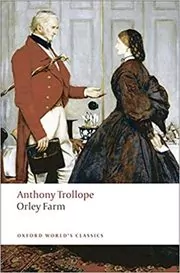
Orley Farm
by Anthony Trollope
1862
A long-running inheritance dispute returns to court and forces Lady Mason to defend the story that secured her son's future. Trollope turns a legal case into a tense moral drama about guilt, reputation, and mercy.
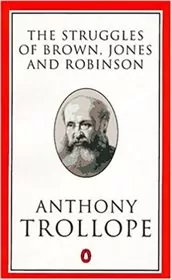
The Struggles of Brown, Jones, and Robinson
by Anthony Trollope
1862
A draper's shop collapses under weak management, dodgy bookkeeping, and reckless advertising. Trollope uses the business disaster to mock commercial ambition and lower-middle-class pretensions.
North America
by Anthony Trollope
1863
After traveling through the United States and Canada during the Civil War era, Trollope writes with curiosity, skepticism, and plenty of detail. It is a broad travel portrait of politics, manners, and daily life.
Rachel Ray
by Anthony Trollope
1863
Rachel Ray falls for Luke Rowan, but her severe Evangelical sister distrusts both the man and the match. Trollope turns a courtship novel into a lively challenge to religious narrowness.
Mrs. General Talboys
by Anthony Trollope
1864
When the lively Mrs. General Talboys returns to England, her independence and impulsiveness stir up gossip and discomfort. Trollope treats her with wit, but also shows the cost of not fitting the expected mold.
The Man Who Kept His Money In A Box
by Anthony Trollope
1864
A sharp comic tale about thrift taken too far, and the trouble that follows when money becomes more important than trust. Trollope keeps the premise simple and the social sting clear.
The Small House at Allington
by Anthony Trollope
1864
Lily Dale believes she has found her future with Adolphus Crosbie, until ambition tempts him elsewhere. Alongside her heartbreak, Trollope follows Johnny Eames as he stumbles toward adulthood.
Can You Forgive Her?
by Anthony Trollope
1865
Alice Vavasor cannot decide between a safe marriage and a dangerous passion, while Lady Glencora struggles with a marriage arranged for money and rank. It opens the Palliser series with politics, romance, and hard choices.
Recommended by
1 person- Tim O’Reilly recommended this book
Tim O’Reilly
"It’s this sort of proto-feminist novel about these women who made choices that were unconventional in who they would marry." - Tim O’Reilly
Tim O’Reilly's recommendation of this book
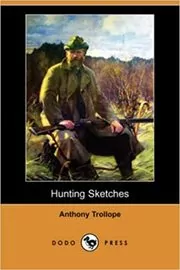
Hunting Sketches
by Anthony Trollope
1865
These essays draw on Trollope's lifelong enthusiasm for hunting, with sharp observations about horses, riders, countryside habits, and sporting culture. Even readers indifferent to foxhunting may enjoy the energy and detail.
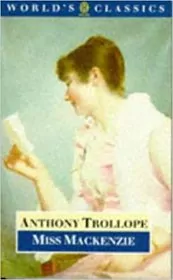
Miss Mackenzie
by Anthony Trollope
1865
After years spent caring for others, Margaret Mackenzie inherits money and tries to build a life of her own in Littlebath. Instead she finds suitors, schemers, and a social world eager to use her fortune.
The Belton Estate
by Anthony Trollope
1865
Clara Amedroz faces a shrinking future, an entailed estate, and two very different suitors. It is a close, emotionally exact novel about love, prudence, and the pressure of money.
Nina Balatka
by Anthony Trollope
1867
In Prague, Nina loves Anton Trendellsohn, but family hostility and religious prejudice turn the match into a crisis. Trollope strips the story down to a tense romance shaped by mistrust and social pressure.
The Claverings
by Anthony Trollope
1867
Harry Clavering tries to build a career as an engineer after being cast aside by the woman he loves. When she reappears as the unhappily married Lady Ongar, old feelings become dangerous again.
The Golden Lion of Granpere
by Anthony Trollope
1867
In a village inn in the Vosges, Marie Bromar's future is pulled between family loyalty and the man she loves. It is a compact continental romance with a stubborn patriarch at its center.
The Last Chronicle of Barset
by Anthony Trollope
1867
Josiah Crawley, a proud and impoverished clergyman, is accused of stealing a cheque he cannot explain. The final Barsetshire novel brings back familiar faces for Trollope's darkest and most moving visit to Barchester.
Linda Tressel
by Anthony Trollope
1868
Orphaned Linda lives under the stern rule of her fanatically religious aunt in Nuremberg, with marriage treated as duty rather than choice. It is one of Trollope's darkest and most constrained love stories.

He Knew He Was Right
by Anthony Trollope
1869
Louis Trevelyan's jealousy over a harmless friendship poisons his marriage to Emily and destroys the peace around them. Trollope pairs the central tragedy with some of his best comic and domestic subplots.
Phineas Finn
by Anthony Trollope
1869
An ambitious young Irishman enters Parliament and discovers that votes, principles, patronage, and romance are hard to separate. The book mixes reform politics with the question of how much success should cost.
The Vicar of Bullhampton
by Anthony Trollope
1870
Vicar Frank Fenwick takes up the cause of a disgraced woman and a man accused of murder, putting him at odds with local power. It is a serious, humane novel about forgiveness, religion, and village judgment.
Ralph the Heir
by Anthony Trollope
1871
Spendthrift Ralph Newton is heir to an estate he has already half mortgaged through bad choices. Around him, Trollope spins a story of family loyalty, class anxiety, and a shamelessly corrupt election.
Sir Harry Hotspur of Humblethwaite
by Anthony Trollope
1871
Sir Harry's daughter Emily becomes entangled with their reckless cousin George, heir to the title but not to the estate. The novel turns inheritance and bad judgment into a tight domestic tragedy.
The Eustace Diamonds
by Anthony Trollope
1872
Widowed Lizzie Eustace insists a famous diamond necklace is hers, while lawyers, suitors, and thieves circle around the claim. Part mystery, part social comedy, it is the most self-contained of the Palliser books.
Australia and New Zealand
by Anthony Trollope
1873
Trollope travels through the colonies with his usual mix of curiosity, practicality, and argument. He writes about politics, settlement, labor, landscape, and the prospects of colonial life.
Australia and New Zealand
by Anthony Trollope
1873
Trollope travels through the colonies with his usual mix of curiosity, practicality, and argument. He writes about politics, settlement, labor, landscape, and the prospects of colonial life.
Harry Heathcote of Gangoil
by Anthony Trollope
1874
Young squatter Harry Heathcote runs a huge sheep station in Queensland and suddenly faces sabotage, fire, and old grudges. It is a brisk colonial Christmas story with real danger in the bush.
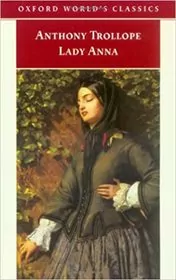
Lady Anna
by Anthony Trollope
1874
Lady Anna's legitimacy is disputed, her inheritance is contested, and her heart belongs to a tailor. Trollope builds a surprisingly intense story from the clash between rank, love, and a long legal battle.
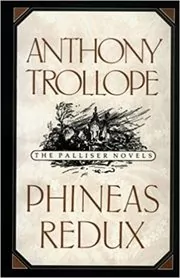
Phineas Redux
by Anthony Trollope
1874
Widowed and restless, Phineas Finn returns to London and back into politics, only to be caught in scandal and a murder trial. The sequel is darker, more political, and more dangerous than his first outing.
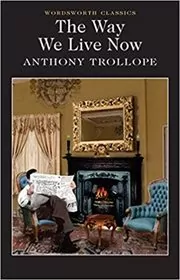
The Way We Live Now
by Anthony Trollope
1875
Augustus Melmotte dazzles London with money, speculation, and social ambition, even as his empire starts to rot from within. Trollope turns finance, marriage, and status into a sharp, sprawling satire.
Recommended by
2 people- Tim O’Reilly recommended this book
Tim O’Reilly
"About the great railroad bubbles of the 1860s." - Tim O’Reilly
Tim O’Reilly's recommendation of this book  Sarah Jessica Parker recommended this book
Sarah Jessica Parker
"I was completely absorbed and loved every single moment, big and small." - Sarah Jessica Parker
Sarah Jessica Parker's recommendation of this book
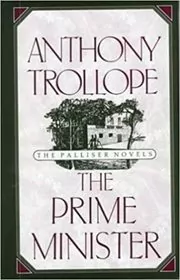
The Prime Minister
by Anthony Trollope
1876
Plantagenet Palliser reaches the top of politics by leading a shaky coalition government, while public life strains his marriage and household. Trollope keeps one eye on Cabinet weakness and the other on social disaster.
South Africa
by Anthony Trollope
1877
Part travelogue and part political survey, this book records Trollope's journey through southern Africa in the late 1870s. He writes about landscapes, settlements, local economies, and imperial questions.
South Africa
by Anthony Trollope
1877
Part travelogue and part political survey, this book records Trollope's journey through southern Africa in the late 1870s. He writes about landscapes, settlements, local economies, and imperial questions.
The American Senator
by Anthony Trollope
1877
Senator Elias Gotobed visits rural England and says out loud what locals prefer not to hear. Around his observations, Trollope stages hunting scenes, inheritance worries, and Arabella Trefoil's determined husband-hunt.
The Telegraph Girl
by Anthony Trollope
1877
Lucy Graham, a young woman working in the telegraph office, catches the attention of a wealthy suitor and his skeptical family. It is a neat late tale about class, work, and the risks of marrying up.
Alice Dugdale
by Anthony Trollope
1878
A short late tale of courtship and hesitation, with Trollope focusing on the gap between what people feel and what they dare to promise. The emotional scale is modest, but the social pressure is not.
How the Mastiffs Went to Iceland
by Anthony Trollope
1878
This travel piece follows a journey to Iceland with Trollope's usual relish for rough conditions, fellow travellers, and practical observation. It is short, brisk, and full of movement.
Is He Popenjoy?
by Anthony Trollope
1878
When a dissipated marquis returns from Italy with a wife and child, the family's inheritance is thrown into doubt. Trollope turns legitimacy, title, and gossip into a tense aristocratic comedy.
The Lady of Launay
by Anthony Trollope
1878
A compact continental story in which status, courtship, and calculation pull against one another. Trollope keeps the setting elegant, but the social maneuvering is as sharp as ever.
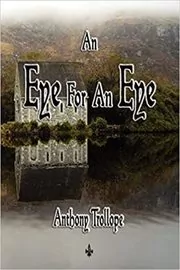
An Eye for an Eye
by Anthony Trollope
1879
Fred Neville, heir to an English earldom, falls in love with Kate O'Hara in Ireland and cannot reconcile desire with duty. The novel narrows into a tragic study of seduction, class, and consequences.
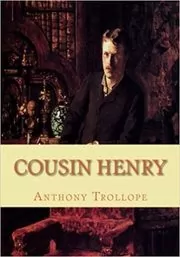
Cousin Henry
by Anthony Trollope
1879
An aging Welsh squire cannot decide whether to leave his estate to his beloved niece or his weak male heir, Cousin Henry. Hesitation hardens into greed, guilt, and psychological pressure.
John Caldigate
by Anthony Trollope
1879
After making money in the Australian goldfields, John Caldigate returns home ready to marry, only to face a damaging claim about his past. Trollope builds a clever courtroom and marriage plot from one accusation.
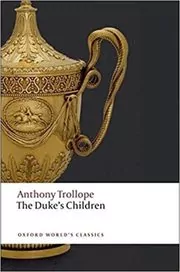
The Duke's Children
by Anthony Trollope
1880
After Lady Glencora's death, the Duke of Omnium must face the marriages and independence of his adult children. The last Palliser novel turns from Parliament to grief, family change, and letting go.

The Life of Cicero, Vol. 1
by Anthony Trollope
1880
Trollope's life of Cicero follows the Roman statesman from youth into public rise, mixing history with strong opinions about politics, rhetoric, and duty. It reads like biography written by a working novelist.
The Life of Cicero, Vol. 2
by Anthony Trollope
1880
Trollope follows Cicero through civil war, compromise, and death, while arguing vigorously about Roman politics and public character. It is biography with a clear narrative line and plenty of judgment.
Ayala's Angel
by Anthony Trollope
1881
Orphaned sisters Ayala and Lucy Dormer are sent to live with relatives, and Ayala's romantic imagination keeps colliding with ordinary marriage prospects. Trollope treats her whims tenderly, but never lets them float free of reality.
Dr. Wortle's School
by Anthony Trollope
1881
At Dr. Wortle's school, a scandal erupts when a married couple on the staff are discovered not to be legally married after all. Trollope uses the uproar to test charity, respectability, and moral certainty.
Kept in the Dark
by Anthony Trollope
1882
Cecilia Western hides a former engagement from her husband, and the secret corrodes their marriage once it comes out. Trollope keeps the plot simple and lets mistrust do the damage.
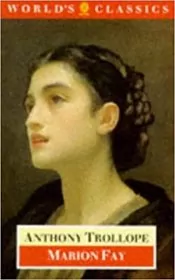
Marion Fay
by Anthony Trollope
1882
Lord Hampstead loves Marion Fay, a Quaker clerk's daughter who returns his feeling but refuses marriage because she is dying. Around them, Trollope sets another love match and a ruthless battle over rank and inheritance.
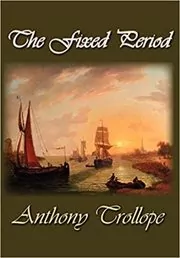
The Fixed Period
by Anthony Trollope
1882
In the colony of Britannula, citizens are meant to retire at sixty-seven and die one year later in the name of progress. Trollope turns the grotesque idea into a dry, unsettling political satire.
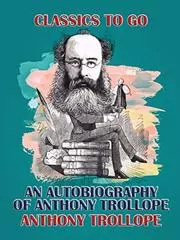
An Autobiography
by Anthony Trollope
1883
Trollope looks back on his difficult childhood, his years in the Post Office, and the disciplined working habits behind his enormous output. It is blunt, funny, and unusually candid about how a Victorian novelist made a career.
Recommended by
1 person Paul Graham recommended this book
Paul Graham
"[This] Autobiography is a wonderfully candid and inspiring one." - Paul Graham
Paul Graham's recommendation of this book
Complete Short Stories
by Anthony Trollope
1883
This collection gathers Trollope's shorter fiction, from comic travel pieces and village sketches to darker tales of money, marriage, and reputation. It is a good way to see how much ground he could cover in small spaces.
Mr. Scarborough's Family
by Anthony Trollope
1883
John Scarborough hates the law of entail and spends his final years manipulating inheritance for the sake of his two sons, Mountjoy and Augustus. The novel is sharp, legalistic, and unusually cynical.

The Landleaguers
by Anthony Trollope
1883
Set amid agrarian unrest in Ireland, this unfinished late novel follows a family battered by land agitation, politics, and divided loyalties. Even unfinished, it shows Trollope returning to Irish questions with anger and sympathy.
The Mistletoe Bough
by Anthony Trollope
1883
A seasonal short story in which courtship, family feeling, and uncomfortable truths meet beneath a festive surface. Trollope keeps the tone light, but never empty.
An Old Man's Love
by Anthony Trollope
1884
William Whittlestaff, shy, aging, and deeply lonely, finds himself drawn into one last hope of marriage. Trollope gives the late-life romance tenderness, awkwardness, and a sharp sense of social reality.
Christmas at Thompson Hall
by Anthony Trollope
1893
Mrs. Brown's panicked railway dash with a forgotten package turns a holiday trip into pure comic chaos. It is one of Trollope's funniest short pieces.
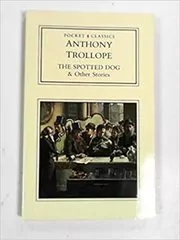
The Spotted Dog and Other Stories
by Anthony Trollope
1950
These stories range from uneasy social comedy to sharper studies of pride, money, and desperation. The title story, about a ruined inn and a fallen gentleman, gives the collection its darkest edge.
Mary Gresley and Other Stories
by Anthony Trollope
1951
A varied selection of Trollope's shorter fiction, with domestic entanglements, comic misunderstandings, and sharp looks at everyday selfishness. The stories are brisk, observant, and often quietly unsettling.
Frau Frohmann and Other Stories
by Anthony Trollope
1978
This late collection brings together stories set in England and on the Continent, mixing romance, work, travel, and social awkwardness. It shows Trollope at his most agile in short form.
Lotta Schmidt and Other Stories
by Anthony Trollope
1981
A collection of shorter European and Irish tales about courtship, family feeling, local loyalties, and sudden reversals. The range is wide, but the storytelling stays brisk and character-led.
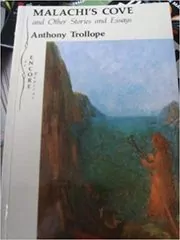
Malachi's Cove and Other Stories and Essays
by Anthony Trollope
1985
This volume mixes one of Trollope's best-known short stories with other fiction and essays. Expect Cornish atmosphere, sharp character work, and the same practical eye he brought to his novels.
Where to start with Anthony Trollope
If you want the Barsetshire novels: The Warden → Barchester Towers → Doctor Thorne
If you want politics, ambition, and society: Can You Forgive Her? → Phineas Finn → The Eustace Diamonds → Phineas Redux
If you want one big standalone satire: The Way We Live Now
If you want legal and family drama: Orley Farm → He Knew He Was Right → The Last Chronicle of Barset
Anthony Trollope sub-series and character series
Chronicles of Barsetshire books in order
Explore this seriesChronicles of Barsetshire books in chronological order
Anthony Trollope collections, short stories, and related book types
Short Stories/Novellas
Short Story Collections
Non-Fiction
Standalone Anthony Trollope books
Author bio
Anthony Trollope was born in Marylebone, London, on April 24, 1815, and grew up in a family that looked respectable from the outside but was often short of money. He went to Harrow and Winchester, but he later wrote about those school years as lonely and bruising. The gap between social expectation and actual means stayed with him, and it shows up again and again in his fiction.
His first adult job was not literary at all. After a shaky start in the General Post Office, burdened by debt and not much promise, he volunteered for a post in Ireland in 1841. That move changed his life. He settled into the work, discovered that he could be useful, and met Rose Heseltine, whom he married in 1844.
Ireland also turned him into a writer.
He began The Macdermots of Ballycloran while still working for the Post Office, and he later said he wrote many mornings and on long journeys, keeping a strict daily tally of words. That steady, almost stubborn discipline became part of his story. He kept it up while building a full civil-service career and while traveling widely for work.
The breakthrough came with The Warden in 1855, followed by Barchester Towers and the rest of the Barsetshire books. In those novels he made a whole county feel inhabited, full of clergy, widows, younger sons, schemers, and decent people trying to do the right thing a little too late. Readers still come to Trollope for that mix of warmth, comedy, and moral pressure.
He was not only the novelist of cathedral towns. In the Palliser novels, beginning with Can You Forgive Her? and running through Phineas Finn to The Duke's Children, he widened his canvas to Parliament, elections, society marriages, and the mechanics of power. Then there is The Way We Live Now, his big, biting novel of fraud, speculation, and social greed, which still feels startlingly current.
Travel mattered to him too. He wrote books such as North America, Australia and New Zealand, and South Africa, and he brought the same practical eye to those pages that he brought to fiction. He noticed institutions, money, roads, post, habits, and the small ways people fit themselves to a place.
He eventually left the Post Office in 1867 and devoted himself fully to writing, though public life still tugged at him and he even stood for Parliament once, unsuccessfully. By then he had written at an astonishing pace, but the pace was never careless. His best books are crowded, social, and funny, yet they keep circling back to conscience, class, marriage, ambition, and the cost of pretending.
He liked systems, but he never forgot people.
Trollope died in London on December 6, 1882. An Autobiography, published after his death, helped fix the image of a writer who treated writing as work and did not apologize for it. That plainness may be one reason he still feels fresh. He does not float above everyday life. He walks straight into it.


Edited by
Software engineer whose passion for tracking book recommendations from podcasts inspired the creation of MRB.
Lead investor at 3one4 Capital whose startup expertise and love for books helped shape MRB and its growth.
Comments
Did we miss something? Have feedback?
Help us improve this page by sharing your thoughts