
Thornton W Burgess Books in Order
Find Thornton W Burgess books in order, with quick summaries, beginner picks, and guides to his animal stories, nature books, and classic series.
Last updated:
As an Amazon Associate, we earn from qualifying purchases (at no extra cost to you).
Thornton W Burgess books in publication order
72 books
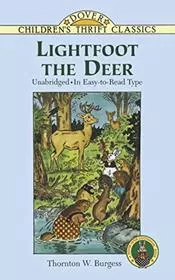
Lightfoot the Deer
by Thornton W Burgess
1906
Lightfoot's beauty and speed do not keep him safe when hunters and hounds enter the woods. Burgess uses him for a more tense, wide-ranging story about caution and survival.
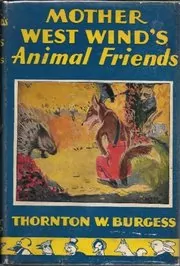
Mother West Wind's Animal Friends
by Thornton W Burgess
1912
A story collection of familiar Green Meadow creatures told under Old Mother West Wind's watch. Each piece is short, lively, and built around a clear little lesson.
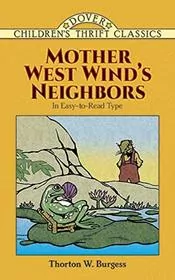
Mother West Wind's Neighbors
by Thornton W Burgess
1913
More brief tales from the Green Meadows and Green Forest, with Peter Rabbit and company at center stage. These stories are easy to dip into and work especially well as read-alouds.
The Adventures of Johnny Chuck
by Thornton W Burgess
1913
Johnny steps out after winter sleep and sees the Green Meadows with fresh eyes. His curiosity, and the dangers that come with being small and visible, make this an easy entry into Burgess's world.
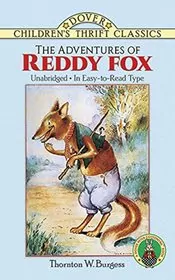
The Adventures of Reddy Fox
by Thornton W Burgess
1913
Reddy steals a hen and draws danger down on himself when Farmer Brown's boy and Bowser the Hound give chase. With Granny Fox nearby, he has to learn that pride and carelessness can turn a quick meal into real trouble.
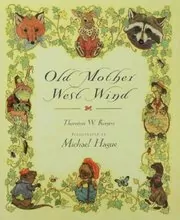
Old Mother West Wind
by Thornton W Burgess
1914
The first Burgess collection introduces Old Mother West Wind, the Merry Little Breezes, and the animal world they stir awake. It is a gentle doorway into the Green Meadows, with short stories perfect for bedtime.
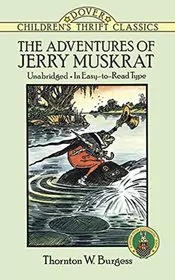
The Adventures of Jerry Muskrat
by Thornton W Burgess
1914
Jerry faces traps, a threatened home, and trouble at the Smiling Pool. With Grandfather Frog and other water-side friends, he has to protect both himself and the Laughing Brook.
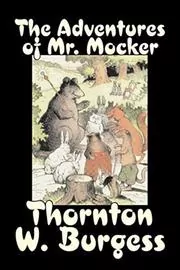
The Adventures of Mr. Mocker
by Thornton W Burgess
1914
A visiting mockingbird throws the Green Forest into confusion by copying everyone else's voices. Unc' Billy must sort out the misunderstandings before hurt feelings turn into real quarrels.
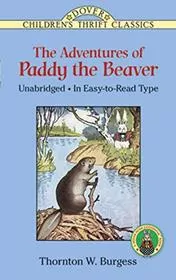
The Adventures of Paddy the Beaver
by Thornton W Burgess
1914
Paddy moves into the Green Forest and begins cutting trees and building a dam, alarming the neighbors. His work changes the whole landscape and sets off a lively story about suspicion, danger, and unlikely friendship.
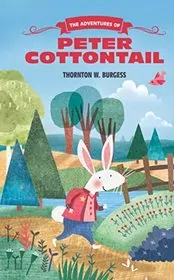
The Adventures of Peter Cottontail
by Thornton W Burgess
1914
Peter decides his old name is too plain and starts calling himself Peter Cottontail. The new name goes straight to his head, and the joke turns into a gentle lesson about vanity and being yourself.
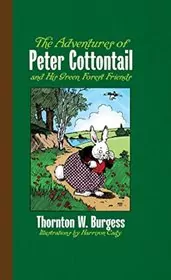
The Adventures of Peter Cottontail and His Green Forest Friends
by Thornton W Burgess
1914
A collection-style introduction to Peter and the familiar Green Forest cast. It mixes short adventures, animal encounters, and the gentle lessons that made Burgess a bedtime favorite.
The Adventures of Unc' Billy Possum
by Thornton W Burgess
1914
Hungry Unc' Billy slips into Farmer Brown's henhouse and lands in a tight spot when traps appear and snow hides the danger. It is a funny, tense woodland tale about greed and bad timing.

The Boy Scouts On Lost Trail
by Thornton W Burgess
1914
Walter and the Lone Wolf Patrol head into the North Woods on foot and measure skill, grit, and teamwork against the trail. It raises the scale after camp life.
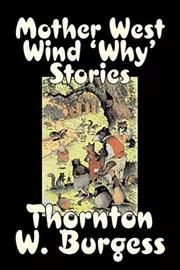
Mother West Wind 'Why' Stories
by Thornton W Burgess
1915
A set of origin-style tales explaining why animals look or act as they do. Grandfather Frog and other storytellers turn natural history into playful folklore.
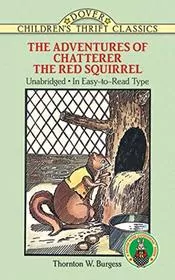
The Adventures of Chatterer the Red Squirrel
by Thornton W Burgess
1915
Chatterer talks big until Shadow the Weasel and Farmer Brown's boy force him into real danger. His fast-moving escape story mixes mischief, fear, and an unexpected lesson in trust.
The Adventures of Danny Meadow Mouse
by Thornton W Burgess
1915
Danny worries about his short tail, then has much bigger problems when foxes, owls, and other dangers close in. It is a brisk survival story about staying alert on the Green Meadows.
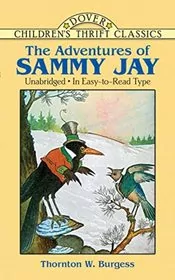
The Adventures of Sammy Jay
by Thornton W Burgess
1915
Noisy, nosy Sammy loves everyone else's business until his tricks start coming back at him. Burgess uses his bright blue troublemaker for a funny story about gossip, boasting, and consequences.

The Boy Scouts in A Trapper's Camp
by Thornton W Burgess
1915
Winter, snowshoes, and a remote cabin give this Scout adventure a harder edge. Walter and his friends face poachers, isolation, and the stern practical work of the fur trail.
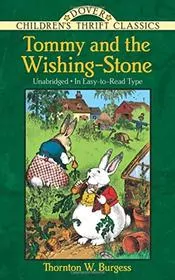
Tommy and the Wishing Stone
by Thornton W Burgess
1915
A rarer fantasy from Burgess, following a boy and a magical stone that tempts wishes and trouble. It keeps his gentle moral touch while stepping outside the Green Forest.
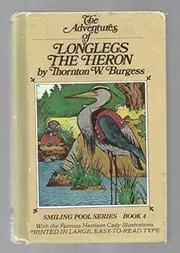
Longlegs the Heron
by Thornton W Burgess
1916
Longlegs waits, watches, and strikes with unnerving patience around the Smiling Pool. The story gives one of Burgess's quieter hunters a tense, elegant place in the water-side cast.
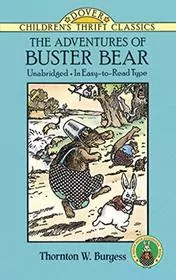
The Adventures of Buster Bear
by Thornton W Burgess
1916
Buster wakes from winter sleep and discovers the Green Forest already full of rumors about him. As the others learn what a bear can do, the story builds suspense out of fear, curiosity, and close escapes.
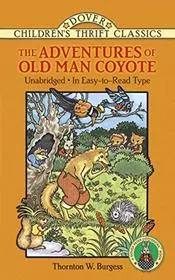
The Adventures of Old Man Coyote
by Thornton W Burgess
1916
A new predator arrives and sends the Green Meadows buzzing with worry. Old Man Coyote is sly, patient, and hard to fool, which makes every meeting with him feel risky.
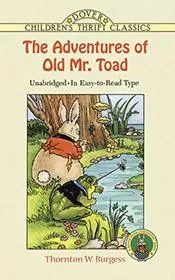
The Adventures of Old Mr. Toad
by Thornton W Burgess
1916
Old Mr. Toad may seem slow and plain, but he knows more tricks than the Green Meadows expect. His story follows a string of narrow escapes and small triumphs that prove how well suited he is to his world.
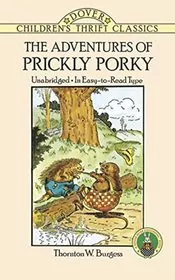
The Adventures of Prickly Porky
by Thornton W Burgess
1916
The animals are puzzled and nervous when a stranger covered in sharp quills appears in the Green Forest. Burgess turns their fear of Prickly Porky into a warm story about misunderstanding and acceptance.
Mother West Wind "When" Stories
by Thornton W Burgess
1917
These stories imagine when familiar habits and features of the animal world began. Burgess turns curious questions into cozy, myth-like answers for younger readers.
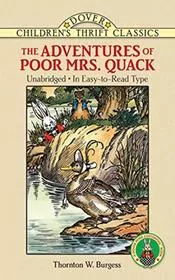
The Adventures of Poor Mrs. Quack
by Thornton W Burgess
1917
Mrs. Quack flees the Big River after hunters shatter the safety of home. At the Smiling Pool she tells Peter Rabbit her story, mixing quiet grief with hope that she can start again.
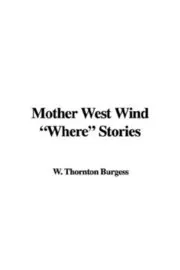
Mother West Wind "Where" Stories
by Thornton W Burgess
1918
A collection of tales about where creatures make homes, hide, or belong in the world. The mood is gentle and curious, with nature facts tucked inside the storytelling.
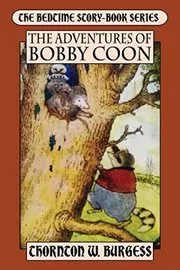
The Adventures of Bobby Coon
by Thornton W Burgess
1918
Curious, clever Bobby prowls the Green Forest mostly by night, always ready to investigate. His adventures balance playful mischief with the real risks of traps, dogs, and getting too bold.
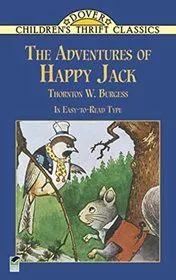
The Adventures of Happy Jack
by Thornton W Burgess
1918
Happy Jack and his squirrel neighbors live half in fun until Shadow the Weasel changes everything. It is a lively tree-top story with nut-stashing, quarrels, and real suspense.
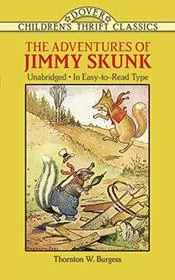
The Adventures of Jimmy Skunk
by Thornton W Burgess
1918
Peter Rabbit's prank on a sleeping Jimmy goes badly wrong, and the payback is memorable. Later, Jimmy and Unc' Billy go egg hunting and blunder into more trouble than they bargained for.
Billy Mink
by Thornton W Burgess
1919
Billy spots a trapper at work and realizes the danger spreading along the Laughing Brook. Sharp-eyed and restless, he becomes the right hero for a story about wit, warning, and survival.
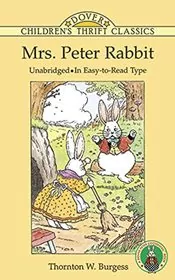
Mrs. Peter Rabbit
by Thornton W Burgess
1919
Peter's home life changes when Mrs. Peter Rabbit arrives and the old Briar-Patch feels fuller and riskier. Burgess mixes domestic comedy with the everyday dangers of rabbit life.
The Adventures of Bob White
by Thornton W Burgess
1919
Bob White and his family try to stay safe in fields and thickets where danger can drop from the sky or rush in on four legs. It is a gentle bird story with real stakes and a strong sense of home.
The Adventures of Ol' Mistah Buzzard
by Thornton W Burgess
1919
High above the Green Meadows, Ol' Mistah Buzzard sees almost everything and knows more than others guess. This story gives the often-misjudged bird a patient, watchful role in the woodland world.
The Adventures of Old Mr. Buzzard
by Thornton W Burgess
1919
Another edition of Burgess's buzzard tale, following the wary old bird as he circles over the Green Meadows and keeps his distance from trouble. It is a patient, observant story with a different sort of hero.
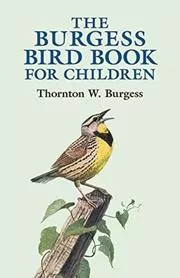
The Burgess Bird Book for Children
by Thornton W Burgess
1919
Peter Rabbit learns from Jenny Wren and meets bird after bird in a story-shaped field guide. It blends simple natural history with the charm of Burgess's fictional world.
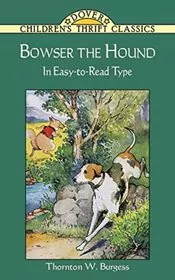
Bowser the Hound
by Thornton W Burgess
1920
Bowser charges after Old Man Coyote with plenty of courage and not enough caution. When the chase takes him far from home, the loyal hound has to think as well as run.
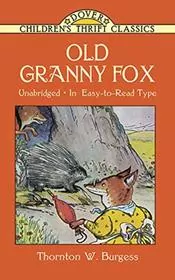
Old Granny Fox
by Thornton W Burgess
1920
Winter hunger drives Granny Fox and Reddy into risky plans around Farmer Brown's place. Granny's patience and hard sense make this one of Burgess's clearest lessons in woodland strategy.
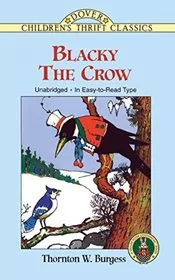
Blacky the Crow
by Thornton W Burgess
1922
Blacky loves shiny ideas and other people's business, but he is also one of Burgess's smartest watchers. His tale mixes mischief, nest robbing, sharp observation, and moments of real loyalty.
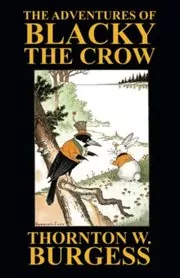
The Adventures of Blacky the Crow
by Thornton W Burgess
1922
A crow's-eye view of the Green Forest, full of schemes, warnings, and noisy commentary from above. It is another strong pick for readers who like Burgess's sharper, more mischievous characters.
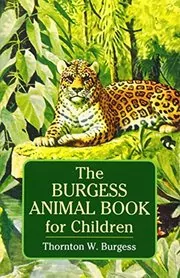
The Burgess Animal Book for Children
by Thornton W Burgess
1922
Old Mother Nature holds a kind of morning school where Peter Rabbit and friends learn about North American mammals. It is part story, part nature lesson, and surprisingly wide-ranging.
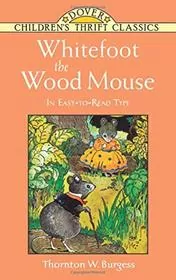
Whitefoot the Wood Mouse
by Thornton W Burgess
1922
Tiny Whitefoot tries to find a safe winter home near people without losing his nerve. The book is gentle and domestic, with close calls that make his small victories feel big.
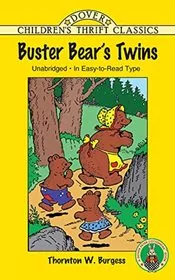
Buster Bear's Twins
by Thornton W Burgess
1923
Boxer and Woof-Woof begin exploring the Green Forest under their mother's watchful eye. Their first adventures are playful, funny, and just dangerous enough to keep everyone nervous.
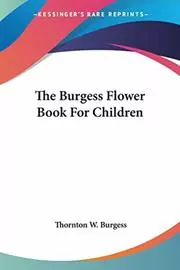
The Burgess Flower Book For Children
by Thornton W Burgess
1923
Peter Rabbit wanders through the seasons learning the names and habits of wildflowers. It works like a nature guide wrapped in an easy story.

The Adventures of Little Joe Otter
by Thornton W Burgess
1925
Little Joe is playful, secretive, and completely at home in the water. His adventures bring speed and fun to the Smiling Pool books, while still keeping danger close by.
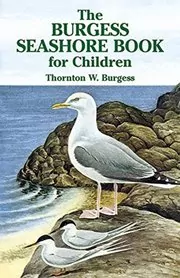
The Burgess Seashore Book for Children
by Thornton W Burgess
1929
Burgess leaves the meadows for the coast and turns tide pools, marshes, and shore creatures into a child-friendly nature tour. It is part adventure, part seashore field guide.
The Adventures of Grandfather Frog
by Thornton W Burgess
1943
Tired of hearing about the Great World, Grandfather Frog leaves the Smiling Pool to see it for himself. His trip quickly becomes a lesson in how risky curiosity can be when home is far away.
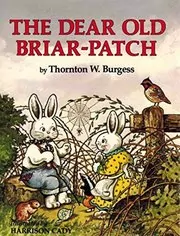
The Dear Old Briar-Patch
by Thornton W Burgess
1947
A later return to Peter Rabbit's home ground, focused on everyday goings-on where safety always feels a little fragile. Cozy, familiar, and rooted in the place readers know best.

The Littlest Christmas Tree
by Thornton W Burgess
1954
A small holiday tale about a modest tree with a chance to matter. It is gentler and more sentimental than the Green Forest adventures.

How Peter Cottontail Got His Name
by Thornton W Burgess
1957
An easy retelling of Peter's brief flirtation with a grander name. It is a quick, friendly origin story for one of Burgess's best-known characters.

Mr. Mocker GB
by Thornton W Burgess
1976
A reprint or alternate edition of the Mr. Mocker story, with the same voice-tricking confusion in the Green Forest. Good if you want that tale in a different format.
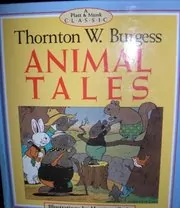
Animal Tales
by Thornton W Burgess
1990
A mixed collection of Burgess animal stories, drawing from several corners of the Green Forest world. Good for sampling his style without committing to a single long thread.
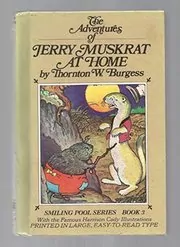
Jerry Muskrat at Home
by Thornton W Burgess
1992
A home-centered muskrat story that stays close to the pond bank, the lodge, and the daily life of the Smiling Pool. It is a good pick if you like Burgess's water creatures and gentler stakes.

Peter Rabbit Plays a Joke
by Thornton W Burgess
1993
Peter's curiosity and fondness for mischief lead him into a prank that goes farther than planned. It is a short Peter story built around playful trouble and a lesson at the end.

Peter Cottontail: Full-Color Sturdy Book
by Thornton W Burgess
1996
A simple, younger-skewing Peter Cottontail adaptation meant for very early readers and read-aloud time. More introduction than full adventure.
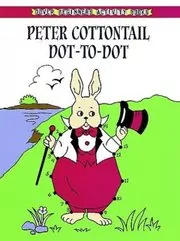
Peter Cottontail Dot-to-Dot
by Thornton W Burgess
1998
An activity book that uses Peter Cottontail and friends for dot-to-dot puzzles. Best for very young fans rather than readers looking for a full Burgess story.
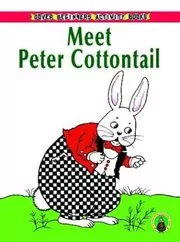
Meet Peter Cottontail
by Thornton W Burgess
1999
A gentle introduction to Peter and his world, designed for beginning readers or read-alouds. Short, friendly, and character-first.
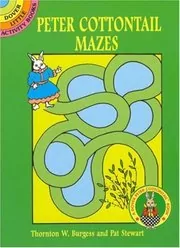
Peter Cottontail Mazes
by Thornton W Burgess
1999
A Peter-themed maze book for younger children, built around simple puzzles and familiar Burgess characters. It is more playbook than storybook.
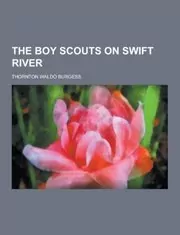
The Boy Scouts on Swift River
by Thornton W Burgess
1999
Walter Upton and friends head out by canoe and have to match Scout training against rapids, weather, and the unknown. It is the outdoorsier, more human side of Burgess.

Big Book of Animal Stories
by Thornton W Burgess
2001
A big compilation of Burgess favorites gathered for browsing and bedtime reading. Useful if you want many characters and shorter stops in one volume.
The National Review Treasury of Classic Bedtime Stories
by Thornton W Burgess
2004
An omnibus that gathers a run of Burgess bedtime tales into one large volume. It is a convenient way to meet Peter Rabbit, Reddy Fox, Johnny Chuck, and the rest in one place.
The National Review Treasury of Classic Bedtime Stories: Volume Two
by Thornton W Burgess
2006
A second collection that continues the same old-fashioned animal adventures and read-aloud charm. Best for readers who want more Burgess without chasing down many separate books.
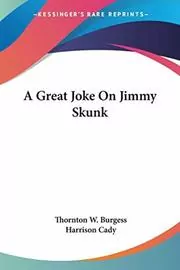
A Great Joke On Jimmy Skunk
by Thornton W Burgess
2007
A short Jimmy Skunk tale built around a prank, a little embarrassment, and the kind of payback Burgess always enjoys. Light, funny, and easy to read aloud.

The Adventures of Reddy Fox and Prickly Porky
by Thornton W Burgess
2007
A shorter combined tale pairing sly Reddy with the well-defended Prickly Porky. Expect woodland scheming, comic frustration, and a lesson in choosing the wrong target.
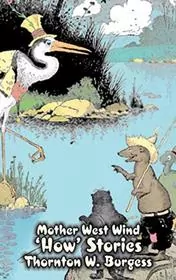
Mother West Wind 'How' Stories
by Thornton W Burgess
2008
These playful stories answer how different animals came by their habits or looks. It is one of Burgess's most openly folktale-like collections.
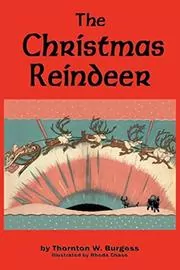
The Christmas Reindeer
by Thornton W Burgess
2010
A seasonal story that steps away from the Green Forest for a Christmas setting and a gentler tone. Best for readers wanting Burgess with a holiday feel.

Fifty Favorite Burgess Stories
by Thornton W Burgess
2011
A generous sampler of Burgess classics, drawing from many characters and settings. Ideal for readers who want breadth over strict series order.

Mouse Tales for Kids: Eleven Fairy Tales About Mice for Children
by Thornton W Burgess
2011
A themed collection centered on mouse characters and short animal tales. It leans more toward anthology reading than one continuous Burgess story.
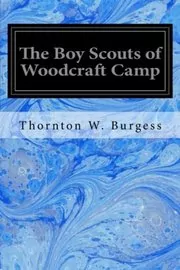
The Boy Scouts of Woodcraft Camp
by Thornton W Burgess
2012
Walter Upton arrives at a camp built to teach woodcraft, discipline, and self-reliance. It is the starting point for Burgess's Scout stories and mixes rivalry, training, and real outdoor tests.
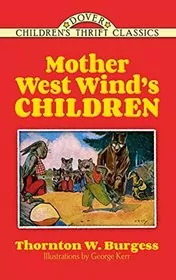
Mother West Wind's Children
by Thornton W Burgess
2013
Another early collection in which the Breezes race through the meadows and draw readers from one small adventure to the next. It deepens the cozy frame of Burgess's first book.

Bobby Coon's Mistake
by Thornton W Burgess
2016
Bobby makes an error that puts him in trouble and has to think his way back out. A brief animal story with Burgess's usual mix of humor and warning.

The Neatness of Bobby Coon
by Thornton W Burgess
2016
A short Bobby Coon tale that turns one of his habits into a small comic lesson. Good as a quick introduction to the character.
Where to start with Thornton W Burgess
If you want the classic starting point: Old Mother West Wind → Mother West Wind's Children → Mother West Wind's Animal Friends
If you want the best-known animal adventures: The Adventures of Reddy Fox → The Adventures of Johnny Chuck → The Adventures of Peter Cottontail → The Adventures of Paddy the Beaver
If you like pond and marsh stories: The Adventures of Paddy the Beaver → The Adventures of Jerry Muskrat → The Adventures of Grandfather Frog → The Adventures of Little Joe Otter
If you want nature lessons with a story: The Burgess Bird Book for Children → The Burgess Animal Book for Children → The Burgess Flower Book For Children
If you want Scout adventure with human heroes: The Boy Scouts of Woodcraft Camp → The Boy Scouts on Swift River → The Boy Scouts On Lost Trail → The Boy Scouts in A Trapper's Camp
Thornton W Burgess sub-series and character series
Old Mother West Wind books in order
Explore this seriesOld Mother West Wind books in chronological order
The Bedtime Story Books books in order
Explore this series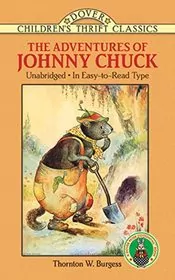
The Adventures of Peter Cottontail and His Green Forest Friends
by Thornton W Burgess
1914The Bedtime Story Books, Book 8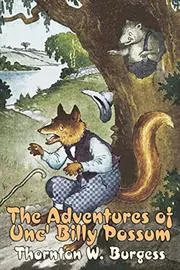
The Adventures of Chatterer the Red Squirrel
by Thornton W Burgess
1915The Bedtime Story Books, Book 9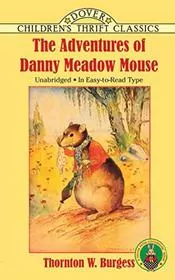
The Bedtime Story Books books in chronological order
The Adventures of Peter Cottontail and His Green Forest Friends
by Thornton W Burgess
1914The Bedtime Story Books, Book 8The Adventures of Chatterer the Red Squirrel
by Thornton W Burgess
1915The Bedtime Story Books, Book 9
The National Review Treasury of Classic Bedtime Stories books in order
Explore this series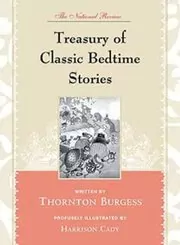
The National Review Treasury of Classic Bedtime Stories
by Thornton W Burgess
2004The National Review Treasury of Classic Bedtime Stories, Book 1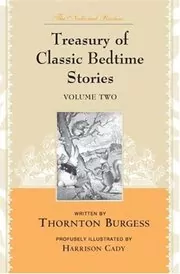
The National Review Treasury of Classic Bedtime Stories: Volume Two
by Thornton W Burgess
2006The National Review Treasury of Classic Bedtime Stories, Book 2
The National Review Treasury of Classic Bedtime Stories books in chronological order
The National Review Treasury of Classic Bedtime Stories
by Thornton W Burgess
2004The National Review Treasury of Classic Bedtime Stories, Book 1The National Review Treasury of Classic Bedtime Stories: Volume Two
by Thornton W Burgess
2006The National Review Treasury of Classic Bedtime Stories, Book 2
Thornton W Burgess collections, short stories, and related book types
Children's Books
Collections
Author bio
Thornton W. Burgess was born in Sandwich, Massachusetts, on Cape Cod, on January 14, 1874. His father died the year he was born, and he was raised by his mother, Caroline. Money was tight, so he worked from a young age, tending cows, picking berries and trailing arbutus, shipping water lilies, selling candy, and trapping muskrats. Those jobs put him outside for hours, and the ponds, marshes, and woods of his childhood never really left him.
They became his map.
Burgess finished Sandwich High School in 1891 and later spent a short time at business college in Boston. Business did not stick. He moved to Springfield, Massachusetts, worked in publishing, and began writing, first as an editor and then as a storyteller. The work gave him a way to turn the animals and places he knew into a world children could return to night after night.
His first book, Old Mother West Wind, came out in 1910. It introduced Peter Rabbit, Jimmy Skunk, Reddy Fox, Grandfather Frog, Jerry Muskrat, Billy Mink, Old Mother West Wind, and the Merry Little Breezes. From there he kept going, building the Green Meadows, the Green Forest, the Smiling Pool, and the dear Old Briar-Patch into one of the most durable animal story worlds of the early 20th century.
He was busy for a very long time.
Burgess wrote more than 170 books and around 15,000 newspaper stories for his long-running Bedtime Stories column. Readers still tend to come to him for the same reasons: short chapters, a big cast of recurring animal neighbors, clear storytelling, and a real feeling that the author had watched these creatures in the wild. Books like The Adventures of Reddy Fox, The Adventures of Peter Cottontail, The Adventures of Paddy the Beaver, and The Adventures of Grandfather Frog are simple on the surface, but they move with real urgency.
He also wrote books that leaned more directly into nature study. The Burgess Bird Book for Children and The Burgess Animal Book for Children teach facts through stories and conversations, and they show how strongly he believed curiosity could lead to care. Even when he was being playful, he was trying to teach children how to notice.
That mattered to him.
Burgess was not only a storyteller. He spent much of his life working for wildlife protection and conservation education. He supported clubs and programs for children, spoke on radio, and backed efforts to protect migratory wildlife. In 1938, Northeastern University gave him an honorary literary degree, and other groups honored him for leading young readers toward the outdoors.
He later bought a home in Hampden, Massachusetts, though he kept returning in memory and in person to Sandwich, which he called his spiritual home. In 1960 he published Now I Remember, an autobiography looking back on his childhood and writing life. He died in 1965, after more than fifty years of bringing fields, ponds, birds, and small wild dramas into American homes.
If Burgess still works for readers now, it is partly because his world is so easy to enter. A rabbit worries, a frog boasts, a fox gets hungry, a breeze tells a story. Then, almost before you notice, you have learned something about patience, seasons, danger, or the lives of animals living just past the garden fence.



Edited by
Software engineer whose passion for tracking book recommendations from podcasts inspired the creation of MRB.
Lead investor at 3one4 Capital whose startup expertise and love for books helped shape MRB and its growth.
Comments
Did we miss something? Have feedback?
Help us improve this page by sharing your thoughts