
Andrzej Sapkowski Books in Order
Explore Andrzej Sapkowski books in order, with Witcher and Hussite Trilogy reading guides, short summaries, series background, and where to start.
Last updated:
As an Amazon Associate, we earn from qualifying purchases (at no extra cost to you).
Andrzej Sapkowski books in publication order
15 books
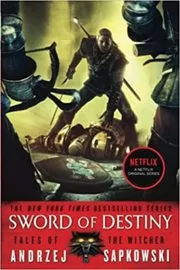
Sword of Destiny
by Andrzej Sapkowski
1992
These stories deepen Geralt’s bond with Yennefer and bring Ciri into his life in a way that changes the whole series. It is the bridge between the monster-hunting tales and the later saga.
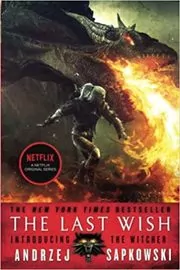
The Last Wish
by Andrzej Sapkowski
1993
This opening collection introduces Geralt through sharp, darkly funny adventures that twist fairy tales into something rougher and stranger. It is the best first look at his code, his world, and the moral trouble that follows him.
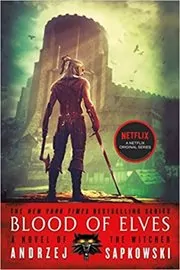
Blood of Elves
by Andrzej Sapkowski
1994
Ciri is brought to Kaer Morhen, where Geralt tries to keep her safe as war brews and her strange powers begin to show. The first Witcher novel shifts the series from linked tales to a larger, darker saga.
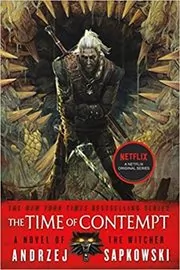
The Time of Contempt
by Andrzej Sapkowski
1995
Geralt sends Ciri to train with Yennefer, hoping to hide her from the forces closing in. Instead, a gathering of mages erupts into betrayal and war, scattering the people trying hardest to protect her.
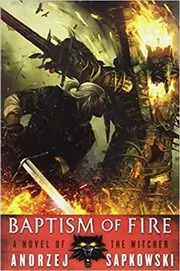
Baptism of Fire
by Andrzej Sapkowski
1996
Badly injured and believing Ciri may be in Nilfgaard, Geralt sets out across a land at war. His rescue mission slowly becomes a ragged fellowship of outsiders, each carrying secrets and old wounds.
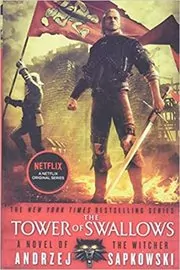
The Tower of Swallows
by Andrzej Sapkowski
1997
Ciri is on the run, hunted by mercenaries and forced to survive under a new identity, while Geralt and his companions race to find her. The book tightens the net around every major player and turns the saga even darker.
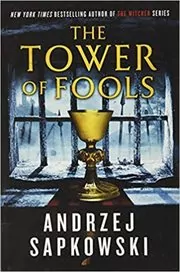
The Tower of Fools
by Andrzej Sapkowski
2002
Reynevan, a healer and amateur magician, is forced to flee Silesia after a reckless affair goes wrong. His escape pulls him into the violence, superstition, and religious turmoil of the Hussite Wars.
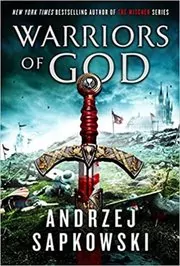
Warriors of God
by Andrzej Sapkowski
2004
Hiding in Bohemia does not last long for Reynevan, who is sent on a dangerous mission and drawn back into old vendettas. The second Hussite novel expands the war, the intrigue, and the pressure on every side.
Light Perpetual
by Andrzej Sapkowski
2006
On the run again, Reynevan is pushed deeper into war as crusades sweep across Silesia and Bohemia. The final Hussite novel hardens its idealistic hero and closes the trilogy on a harsher historical scale.
Season of Storms
by Andrzej Sapkowski
2013
Set before the main saga, this standalone adventure finds Geralt stripped of his swords after a deal goes wrong. Chasing them leads him into court intrigue, sorcerous schemes, and one very dangerous trail.
Recommended by
1 person Mark Manson recommended this book
Mark Manson
Mark Manson recommended this book on his website.
Mark Manson's recommendation of this book
The Malady and Other Stories
by Andrzej Sapkowski
2013
This short sampler mixes Witcher stories and novel excerpts with the non-Witcher tale The Malady. It works best as a quick introduction to Sapkowski’s range rather than a full standalone collection.
Lady of the Lake
by Andrzej Sapkowski
2016
After escaping into an elven world, Ciri must find her way back while war and private vendettas close in. The final saga novel brings Geralt, Yennefer, and Ciri toward their hardest reckoning.
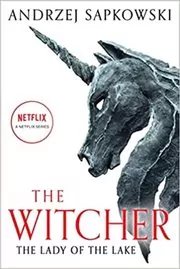
The Lady of the Lake
by Andrzej Sapkowski
2022
After escaping into an elven world, Ciri must find her way back while war and private vendettas close in. The final saga novel brings Geralt, Yennefer, and Ciri toward their hardest reckoning.

The Lesser Evil
by Andrzej Sapkowski
2023
This graphic adaptation revisits Geralt’s clash with Renfri in Blaviken, where every choice looks rotten. It is a tight, brutal story about fate, reputation, and the cost of choosing what seems like the lesser evil.

Crossroads of Ravens
by Andrzej Sapkowski
2025
Fresh out of Kaer Morhen, a young Geralt makes a naive act of heroism that nearly gets him killed. Saved by the older witcher Preston Holt, he begins learning what the Path really costs.
Where to start with Andrzej Sapkowski
If you want the best entry to Geralt’s world: The Last Wish → Sword of Destiny
If you want the main Witcher saga: Blood of Elves → The Time of Contempt → Baptism of Fire → The Tower of Swallows → The Lady of the Lake
If you want standalone Geralt novels: Crossroads of Ravens → Season of Storms
If you want Sapkowski’s historical fantasy: The Tower of Fools → Warriors of God → Light Perpetual
Andrzej Sapkowski sub-series and character series
Andrzej Sapkowski collections, short stories, and related book types
Witcher Collections
Short Story Collections
Standalone Andrzej Sapkowski books
Author bio
Andrzej Sapkowski was born on June 21, 1948, in Łódź, Poland, and he has stayed closely tied to that city for most of his life. Before readers knew him as the creator of Geralt of Rivia, he studied economics, with a focus on foreign trade, and spent years working in sales and international business.
He came to fiction later than many fantasy writers. Sapkowski has said he entered a magazine contest almost on a whim, sending in a short story called The Witcher to the Polish magazine Fantastyka in 1986. It won third prize, but the bigger point was simpler, readers wanted more.
That one story opened a very large door.
From there he built The Last Wish and Sword of Destiny, two story collections that introduced Geralt, Yennefer, Dandelion, and eventually Ciri. What makes those books stick is not just monster hunting. Sapkowski keeps asking harder questions about fear, prejudice, money, power, and what people call evil when the choices in front of them are all bad.
Then came the main Witcher saga, starting with Blood of Elves. That series widens the lens. Geralt is still at the center, but the books become just as much about Ciri, war, prophecy, and the pressure politics puts on private lives. Readers who love them often point to the dry humor, the sharp dialogue, and the way fairy-tale material is turned into something rougher and more human.
He did not stop with Geralt. In the Hussite Trilogy, beginning with The Tower of Fools, Sapkowski moved into historical fantasy set during the Hussite Wars. The books follow Reinmar of Bielawa, called Reynevan, a very different kind of hero from Geralt. Where Geralt is controlled and guarded, Reynevan is impulsive, learned, and often in over his head. That contrast says a lot about Sapkowski as a writer, he likes clever people, but he also likes putting them in trouble.
He has written outside those two big series as well. Season of Storms returned to Geralt in a standalone adventure, and Crossroads of Ravens went even further back, to a younger Geralt just leaving Kaer Morhen. There is also The Malady and Other Stories, which gives English-language readers a look at work beyond the core novels.
His career changed shape as The Witcher spread far beyond Poland through translation, games, comics, film, and television. But the books are where the tone was set first, skeptical, funny, often sad, and very aware that monsters do not always look like monsters. In 2016 he received the World Fantasy Award for life achievement, which is a plain way of saying the field had to reckon with how much his work matters.
He is still strongly associated with Łódź, the city where he was born, and he has continued to appear in interviews and literary events there. That feels fitting. Sapkowski’s fiction can get grand in scale, but it usually keeps one boot in the mud. Kings, sorcerers, fanatics, traders, soldiers, and grifters all end up sharing the same road.
That mix is a big part of his appeal.




Edited by
Software engineer whose passion for tracking book recommendations from podcasts inspired the creation of MRB.
Lead investor at 3one4 Capital whose startup expertise and love for books helped shape MRB and its growth.
Comments
Did we miss something? Have feedback?
Help us improve this page by sharing your thoughts