
Amadeus Mozart Books in Order
Part ofRobert Barnard Books in OrderSee the Amadeus Mozart books by Robert Barnard in order, with short summaries, series background, and a quick guide to this alternate-history mystery pair.
Last updated:
As an Amazon Associate, we earn from qualifying purchases (at no extra cost to you).
Amadeus Mozart books in publication order
2 books
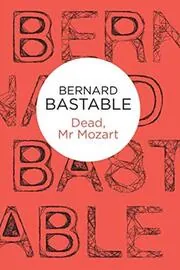
Dead, Mr. Mozart
by Robert Barnard
1994
Set in London in 1820, this alternate-history mystery imagines Mozart alive, elderly, and drawn into the scandals around George IV and Caroline of Brunswick. Political gossip soon hardens into a murder case.
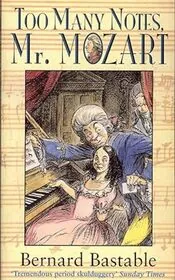
Too Many Notes, Mr. Mozart
by Robert Barnard
1995
In 1830, an aging Mozart is asked to teach the young Princess Victoria. Court intrigue, family struggle, and a suspicious death soon convince him that his royal pupil may be in real danger.
Amadeus Mozart books in chronological order
Series background & context
The Amadeus Mozart books are Robert Barnard in a playful, slightly mischievous mood. Written under the name Bernard Bastable, they rest on one bold idea: what if Mozart had not died young, but lived on into old age and found himself mixed up in murder? Barnard takes that alternate history seriously enough to make it work, then has a good time with everything it opens up.
The joke is clever, but the books are not flimsy.
The central figure is an elderly Wolfgang Gottlieb Mozart, still sharp, still vain in a human way, still deeply alert to performance, status, and folly. By the time of these stories he is no longer the dazzling prodigy of legend. He is older, more experienced, and often a little bemused by the political and social machinery around him. That makes him a fine amateur sleuth. He understands theater, motive, vanity, and how people present one face in public while carrying another in private.
Dead, Mr. Mozart places him in London in 1820, amid the scandals surrounding George IV and Caroline of Brunswick. Too Many Notes, Mr. Mozart moves into the court politics surrounding the young Princess Victoria in 1830. Both books use real historical tensions as the pressure system behind the mystery. Barnard is not writing broad parody. He is writing historical crime novels that happen to be built around a delightful premise.
What should you expect from the series? Court intrigue, drawing-room tension, ambitious relatives, dangerous gossip, and a lot of people who think rank will protect them. Mozart moves through receptions, lessons, salons, and royal households where everyone is acting a part. That theatrical quality suits Barnard very well. He likes social rituals, especially when they start to crack.
There is also something appealingly modest about these books. They are not epic rewritings of European history. They are neat, intelligent mysteries that use the alternate-history angle to freshen the old forms of the historical whodunit. Mozart is the hook, but he is also a real character within the books, aging, observant, and unexpectedly touching at times.
Because there are only two novels, the series reads almost like a matched set. If you enjoy historical mysteries but want something lighter on its feet than many modern doorstoppers, this pair is easy to recommend. Barnard keeps the history clear, the murders plausible, and the tone dry rather than showy.
And yes, the title joke in Too Many Notes, Mr. Mozart tells you exactly what kind of wit you are in for.



Edited by
Software engineer whose passion for tracking book recommendations from podcasts inspired the creation of MRB.
Lead investor at 3one4 Capital whose startup expertise and love for books helped shape MRB and its growth.
Comments
Did we miss something? Have feedback?
Help us improve this page by sharing your thoughts