
Alice Walker Books in Order
Browse Alice Walker books in order, from novels and poetry to essays and children's books, with quick summaries, series links, and easy where-to-start tips.
Last updated:
As an Amazon Associate, we earn from qualifying purchases (at no extra cost to you).
Alice Walker books in publication order
52 books
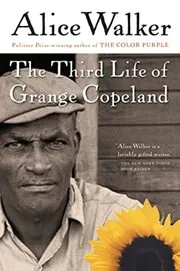
The Third Life of Grange Copeland
by Alice Walker
1970
Walker's debut novel follows three generations of a Black Georgia family scarred by poverty, racism, and violence. As Grange Copeland tries to remake himself late in life, the book asks whether tenderness and responsibility can break a brutal cycle.
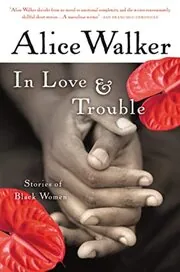
In Love & Trouble
by Alice Walker
1973
These stories focus on Black women's lives with unusual range and emotional force. Walker writes about love, poverty, betrayal, resilience, and desire without softening the pain, but she always leaves room for dignity and difficult choice.
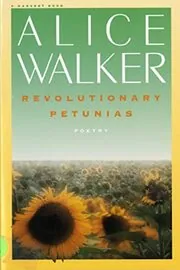
Revolutionary Petunias
by Alice Walker
1973
This poetry collection joins political anger to ordinary acts of courage, love, and endurance. Walker writes about women, violence, hope, and daily survival in poems that are direct, restless, and often unexpectedly tender.
The Life of Thomas Lodge
by Alice Walker
1974
This scholarly study traces the life and work of the Elizabethan writer Thomas Lodge, who was also a physician. It places his poetry, prose, and plays inside the literary world of the English Renaissance.
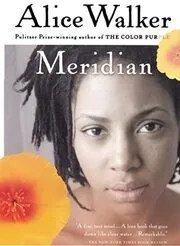
Meridian
by Alice Walker
1976
Set during the civil rights movement, this novel follows Meridian Hill as she chooses activism over the life expected of her. It is a searching, unsentimental portrait of political struggle, sacrifice, and what freedom costs the people fighting for it.
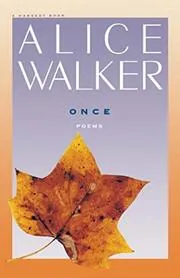
Once
by Alice Walker
1976
Walker's first poetry collection is young, sharp, and already full of the tensions that would shape her later work. Many of the poems carry the energy of travel, civil rights era awakening, grief, and the effort to speak plainly.

Good Night, Willie Lee, I'll See You in the Morning
by Alice Walker
1979
Written after personal loss, these poems move through grief, breakdown, memory, and forgiveness. The collection feels intimate and bruised, but it also searches for spiritual change and a way to keep living.
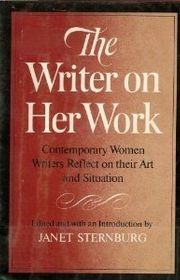
The Writer on Her Work
by Janet STERNBURG, Janet Sternberg, Alice Walker & Anne Tyler
1980
Edited by Janet Sternburg, this collection brings together essays in which seventeen women writers reflect on their working lives. Contributors including Anne Tyler, Alice Walker, and Joan Didion consider the environments, commitments, and creative impulses that shape their writing.
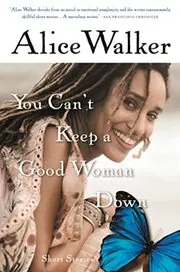
You Can't Keep a Good Woman Down
by Alice Walker
1981
These stories are daring, varied, and often unsettling, moving through sex, race, work, family, and power. Walker pushes her characters into moral and emotional difficulty, then watches what kind of strength survives.
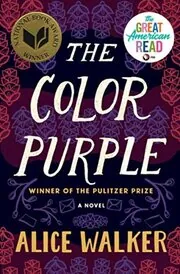
The Color Purple
by Alice Walker
1982
Through letters written by Celie, Walker tells a story of abuse, separation, friendship, and hard-won selfhood in the rural South. The novel is painful, funny, and deeply humane, building toward voice, love, and a life reclaimed.
Recommended by
4 people Hillary Clinton recommended this book
Hillary Clinton
"A brutally honest assessment of human nature at its best and worst." - Hillary Clinton
Hillary Clinton's recommendation of this book  Emma Watson recommended this book
Emma Watson
"I've heard amazing things about this book from a person that I trust." - Emma Watson
Emma Watson's recommendation of this book  Chimamanda Ngozi Adichie recommended this book
Chimamanda Ngozi Adichie
"I admired the fierce honesty in the single-mindedly feminist world-view of this book." - Chimamanda Ngozi Adichie
Chimamanda Ngozi Adichie's recommendation of this book  Shonda Rhimes recommended this book
Shonda Rhimes
"Brilliant." - Shonda Rhimes
Shonda Rhimes's recommendation of this book
In Search of Our Mother's Garden
by Alice Walker
1983
Walker gathers essays, speeches, and memoir pieces about Black women, art, family, politics, and literary inheritance. It is one of her key nonfiction books, especially for readers interested in womanism, creativity, and the writers who shaped her.
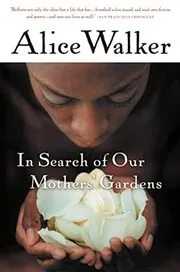
In Search of Our Mothers' Gardens
by Alice Walker
1983
Alice Walker's essays, reviews, and speeches explore Black women's creativity, literary inheritance, and the meaning of womanism. Drawing on personal experience, she considers motherhood, the civil rights movement, and the writers who helped shape her work.

Alice Walker Poetry
by Alice Walker
1985
This selected edition offers a compact way into Walker's poems, bringing together work from across her career. Themes of Black womanhood, memory, grief, love, justice, and the natural world appear in clear, uncluttered lines.
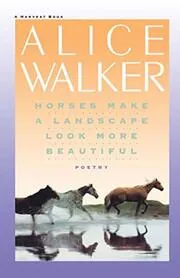
Horses Make a Landscape Look More Beautiful
by Alice Walker
1985
Walker turns to poetry for some of her most personal questions, writing about sorrow, endurance, love, and the pull of beauty. The voice is spare and open, with sadness never far from wit or hope.
Art Against Apartheid
by Alice Walker
1986
This book ties art to resistance, looking at creative work shaped by the struggle against apartheid. It brings politics and culture together, showing how images and words can become part of a larger fight for freedom.
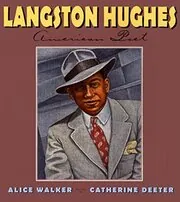
Langston Hughes
by Alice Walker
1987
Walker introduces young readers to Langston Hughes, tracing his life from Midwestern childhood to Harlem Renaissance fame. The book highlights his poetry, public voice, and lasting place in Black American literary history.
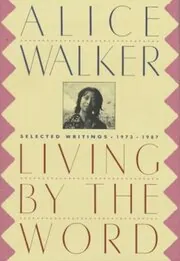
Living by the Word
by Alice Walker
1988
In these essays from the 1970s and 1980s, Walker writes about literature, activism, race, family, and the natural world. The pieces are personal and political together, showing how she thinks on the page and why writing mattered to her life.

To Hell with Dying
by Alice Walker
1988
A child narrator remembers Mr. Sweet, the beloved family friend they keep joking back from the edge of death. Tender and funny at first, the story becomes a moving children's book about love, ritual, and learning to say goodbye.
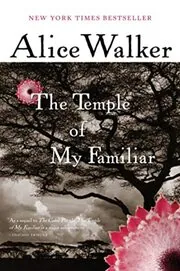
The Temple of My Familiar
by Alice Walker
1989
This wide-ranging novel links dozens of lives across time, place, and ancestry, with Celie and Shug still near its edges. Walker blends family story, history, myth, and spiritual searching into a book about memory, exile, love, and inherited pain.
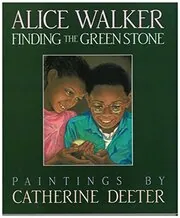
Finding the Green Stone
by Alice Walker
1991
Johnny loses the green stone that gives him comfort and confidence, and his search becomes something larger than a hunt for a missing object. Walker turns a simple children's story into a gentle lesson about courage, wisdom, and looking inward.
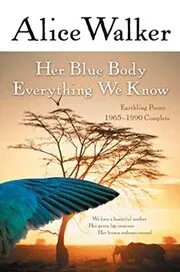
Her Blue Body Everything We Know
by Alice Walker
1991
This substantial volume gathers Walker's Earthling poems from 1965 to 1990, letting readers follow her growth across twenty-five years. The collection moves from love and grief to politics, animals, spirituality, and the lives of Black women.

Everyday Use
by Alice Walker
1992
In this classic short story, a mother and her two daughters clash over quilts, memory, and what heritage really means. Walker turns a small family visit into a sharp, lasting argument about identity, art, and everyday life.
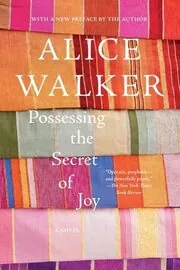
Possessing the Secret of Joy
by Alice Walker
1992
Tashi, first introduced through the world of The Color Purple, struggles with the lasting trauma of female genital cutting. Told through many voices, this novel is fierce, painful, and deeply concerned with memory, culture, and survival.

Giving Birth, Finding Form
by Alice Walker
1993
In this collaborative volume, writers reflect on creativity, the body, and the long work of bringing art into the world. The pieces connect artistic practice to birth, change, and the struggle to live honestly.
Warrior Marks
by Alice Walker
1993
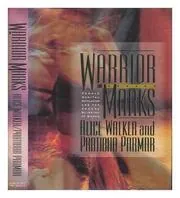
Created with filmmaker Pratibha Parmar, this nonfiction work confronts female genital cutting through travel, interviews, and testimony. It extends the concerns of Possessing the Secret of Joy into documentary form, with a focus on listening, witnessing, and activism.
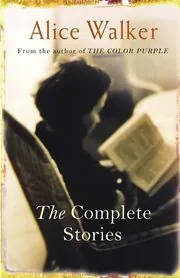
The Complete Stories
by Alice Walker
1994
Bringing together In Love & Trouble and You Can't Keep a Good Woman Down, this volume offers Walker's short fiction in one place. The stories range from intimate family pain to political edge, but women fighting to define themselves stay at the center.
Alice Walker Banned
by Alice Walker
1996
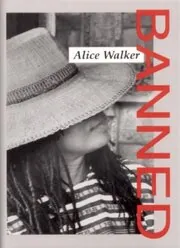
This small but pointed volume brings together selected Walker pieces with material about efforts to censor her work. It becomes both an introduction to her writing and a sharp document of American battles over literature, schools, and free expression.
The Same River Twice
by Alice Walker
1996
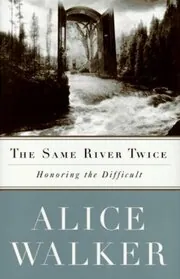
Walker revisits The Color Purple through the making of its film adaptation, mixing diary, reflection, and creative notes. It is part memoir and part artist's notebook, with frank pages on motherhood, illness, criticism, and the life of a book after publication.
Anything We Love Can Be Saved
by Alice Walker
1997
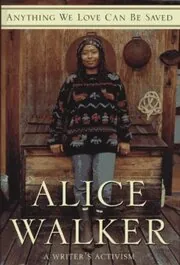
These essays explore activism as both duty and creative practice. Walker moves from personal experience to public struggle, writing about peace, race, gender, the environment, and the stubborn belief that the world is still worth defending.
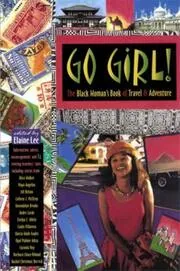
Go Girl!
by Alice Walker
1997
This travel anthology gathers Black women's stories of movement, risk, pleasure, and discovery from around the world. It mixes practical perspective with personal adventure, showing how travel can challenge fear, widen identity, and create new ways of seeing.
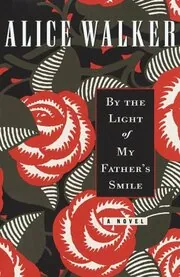
By the Light of My Father's Smile
by Alice Walker
1998
After a family trip to Mexico, buried wounds around desire, shame, and faith rise to the surface. Walker tells this story through multiple voices, including a father's spirit, as the family moves toward painful truth and possible forgiveness.
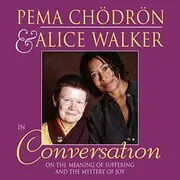
Pema Chödrön and Alice Walker in Conversation
by Alice Walker
1999
In this recorded dialogue, Walker and Pema Chodron talk about suffering, joy, anger, compassion, and the practice of tonglen. It is a reflective, accessible conversation about spiritual life and how to stay human in hard times.
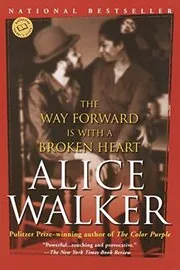
The Way Forward Is with a Broken Heart
by Alice Walker
2000
Part story collection, part autobiographical reflection, this book begins with the collapse of a marriage and keeps moving outward. Walker writes about love, race, memory, and recovery, testing whether heartbreak can become a way of seeing more clearly.
Sent by Earth
by Alice Walker
2001
Written in the aftermath of September 11, this short work imagines an Earth-centered message from a grandmother spirit. It is part poem, part meditation, and part plea for grief, wisdom, and compassion over fear and vengeance.
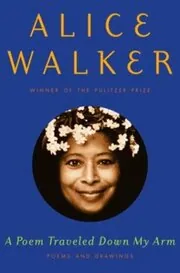
A Poem Traveled Down My Arm
by Alice Walker
2003
Mixing poems and drawings, this book feels like a conversation with Walker's own creative life. It begins after a period when she thought she was finished with writing, then follows inspiration back into humor, reflection, and quiet revelation.
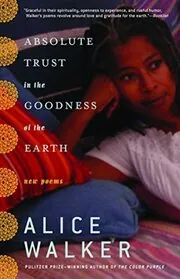
Absolute Trust in the Goodness of the Earth
by Alice Walker
2003
These poems return to nature, sorrow, joy, and the stubborn work of hope. Written after a long gap between poetry collections, they feel meditative and open, asking how the spirit keeps going in a damaged world.
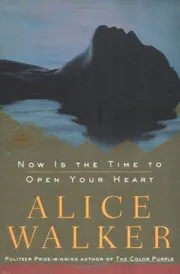
Now Is the Time to Open Your Heart
by Alice Walker
2004
Kate leaves her lover and sets out on journeys through the Colorado River and the Amazon, searching for renewal as age and change press in. Walker turns that travel into a spiritual quest about love, self-knowledge, and starting again.
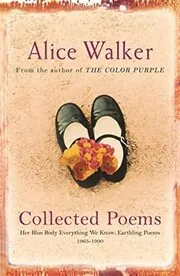
Collected Poems
by Alice Walker
2005
This wide-ranging gathering lets readers trace Walker's poetry across decades, from early civil rights era work to later meditations on loss, earth, love, and spiritual survival. It is the broadest single view of her poetic voice.
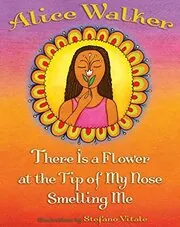
There Is a Flower at the Tip of My Nose Smelling Me
by Alice Walker
2006
This playful picture book invites children to see the natural world as alive, curious, and connected to their own imaginations. Walker celebrates wonder, creativity, and the feeling that the world is always looking back at us.
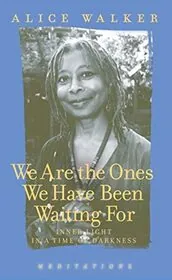
We Are the Ones We Have Been Waiting for
by Alice Walker
2006
Walker blends personal reflection with political meditation in this book about war, racism, justice, and inner strength. It is a call to stop waiting for rescue and to practice the compassion and courage we want to see.
Why War Is Never a Good Idea
by Alice Walker
2007
In spare, forceful lines, Walker shows war crushing animals, children, beauty, and whole communities. The picture book format makes the message accessible, but the images and ideas are direct enough to start serious conversations.
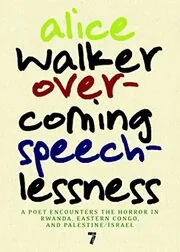
Overcoming Speechlessness
by Alice Walker
2009
After traveling in Rwanda, eastern Congo, and Gaza, Walker writes about the human wreckage of war and mass violence. It is a witness-bearing book, angry and compassionate at once, that asks how people can respond when ordinary language feels inadequate.
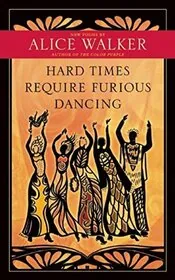
Hard Times Require Furious Dancing
by Alice Walker
2010
These later poems answer grief and public turmoil with motion, tenderness, and defiance. Walker writes about family loss, war, aging, animals, and joy, insisting that dance, love, and attention are forms of resistance.
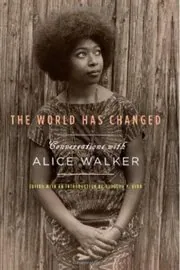
The World Has Changed
by Alice Walker
2010
This collection of conversations traces Walker's thinking about fiction, feminism, race, spirituality, and activism across many years. It offers a clear way into her public voice, and into how she understands both her books and the world around them.
The Chicken Chronicles
by Alice Walker
2011
What begins as a memoir about keeping chickens in Northern California becomes a book about memory, aging, affection, and paying attention. Walker mixes humor, grief, and wonder as the birds open doors to stories she thought were lost.
The Cushion in the Road
by Alice Walker
2013
These essays and meditations move between politics, travel, spirituality, and everyday encounters. Walker writes as a witness and wanderer, trying to stay awake to suffering without giving up on tenderness, moral clarity, or the work of compassion.

The World Will Follow Joy
by Alice Walker
2013
This poetry collection turns toward joy without ignoring madness, violence, or loss. Walker writes from a late-career vantage point, letting flowers, grief, politics, and daily wonder share the same space.
My Life as My Self
by Alice Walker
2015
In this intimate spoken memoir, Walker reflects on the events and inner changes that shaped her life as a writer and activist. The focus is personal and spiritual, with stories about creativity, oppression, ancestry, and finding courage.

Collected Essays, Prose, and Stories
by Alice Walker
2018
This omnibus brings major Walker nonfiction and short fiction together, making it easy to see the full range of her work. Across essays, memoir, and stories, she returns again and again to memory, justice, art, and survival.
Taking the Arrow Out of the Heart
by Alice Walker
2018
Walker writes these poems in the shadow of war, division, and personal sorrow, but the tone is not defeated. The book keeps asking how compassion can survive injury and how the heart can stay open without pretending.
Gathering Blossoms Under Fire
by Alice Walker
2020
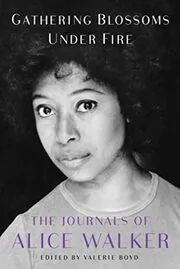
Edited by Valerie Boyd, this volume gathers decades of Walker's journals into an intimate record of work, love, activism, and daily life. You see the writer thinking on the page as fame, family, politics, and art keep colliding.
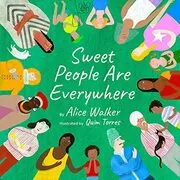
Sweet People Are Everywhere
by Alice Walker
2021
This illustrated poem follows a child getting a first passport and discovering kindness across the globe. It is a warm, welcoming picture book about curiosity, shared humanity, and the good people a young traveler might meet.
Where to start with Alice Walker
If you want the essential Alice Walker novel: The Color Purple → The Temple of My Familiar → Possessing the Secret of Joy
If you want fiction rooted in the civil rights era: Meridian → The Third Life of Grange Copeland
If you want essays and ideas first: In Search of Our Mother's Garden → Living by the Word → Anything We Love Can Be Saved
If you want poetry: Once → Revolutionary Petunias → Hard Times Require Furious Dancing
If you want a gentler entry for younger readers: To Hell with Dying → Why War Is Never a Good Idea → Sweet People Are Everywhere
Alice Walker sub-series and character series
Alice Walker collections, short stories, and related book types
Short Story Collections
Picture Books
Non-Fiction




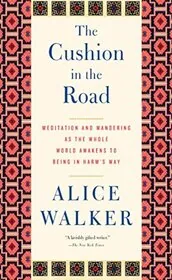
by Alice Walker
2013Meditation and Wandering as the Whole World Awakens to Being in Harm's Way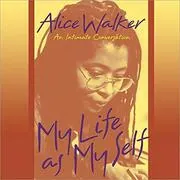
Standalone Alice Walker books
Author bio
Alice Walker was born on February 9, 1944, in Eatonton, Georgia, the youngest of eight children in a family of sharecroppers. She grew up in the rural South at a time when segregation shaped everyday life. When she was eight, one of her brothers accidentally shot her in the eye with a BB gun. The injury left her scarred and deeply self-conscious for years, and she has often linked that period of quiet and inwardness to her turn toward reading and writing.
School opened another path. Walker attended Spelman College in Atlanta before transferring to Sarah Lawrence College, where she graduated in 1965. By then she was already writing poems and getting involved in the civil rights movement, work that soon took her to Mississippi. That mix of art and action, page and public life, never really left her.
Her first books arrived quickly. Once, her debut poetry collection, came out in 1968, and The Third Life of Grange Copeland followed in 1970. Both showed the concerns that would keep returning in her work: Black life in the South, hard family histories, women trying to claim room for themselves, and the stubborn fact that tenderness can survive brutality.
Then came Meridian. It remains one of her clearest novels about the civil rights movement from the inside, not as a neat victory story but as lived strain, sacrifice, and moral confusion. Walker was interested in what movements ask of people, especially women, and in what happens after the slogans fade.
In 1982 she published The Color Purple, the book most readers start with and the one that changed her career. Told through Celie's letters, it is at once devastating and funny, intimate and political. The novel won the Pulitzer Prize for Fiction and the National Book Award, and Walker became the first Black woman to win the Pulitzer for fiction. The book later reached even wider audiences through film and stage adaptations, but its real force is still on the page.
Walker never stayed in one lane.
Her bibliography moves easily across novels, stories, essays, children's books, and poetry. Readers who love her nonfiction often point to In Search of Our Mother's Garden, where she thinks about art, ancestry, and the lives of Black women whose creativity was too often ignored. Others are pulled to later fiction such as The Temple of My Familiar and Possessing the Secret of Joy, books that widen her canvas and push into history, spirituality, trauma, and healing.
She also helped bring Zora Neale Hurston back into the conversation for a new generation, most famously by writing about finding Hurston's unmarked grave and having it marked. That act tells you a lot about Walker's larger project. She writes her own books, yes, but she also keeps asking who has been left out, who has been forgotten, and what it means to restore a voice to the record.
She was always writing toward repair.
In later decades Walker kept publishing, from essays and meditations to memoir and poetry. The Chicken Chronicles shows a lighter, more domestic side of her mind, full of observation, humor, and affection for the natural world. She has long lived in Northern California and continues to publish, returning again and again to the same big questions: how to live with conscience, how to protect joy, and how to stay open to other people, animals, and the earth itself.






Edited by
Software engineer whose passion for tracking book recommendations from podcasts inspired the creation of MRB.
Lead investor at 3one4 Capital whose startup expertise and love for books helped shape MRB and its growth.
Comments
Did we miss something? Have feedback?
Help us improve this page by sharing your thoughts