
Color Purple Books in Order
Part ofAlice Walker Books in OrderSee the Color Purple books in order by Alice Walker, with quick summaries, background on the connected novels, and help choosing where to start.
Last updated:
As an Amazon Associate, we earn from qualifying purchases (at no extra cost to you).
Color Purple books in publication order
3 books
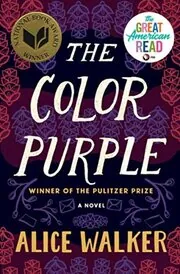
The Color Purple
by Alice Walker
1982
Through letters written by Celie, Walker tells a story of abuse, separation, friendship, and hard-won selfhood in the rural South. The novel is painful, funny, and deeply humane, building toward voice, love, and a life reclaimed.
Recommended by
4 people Hillary Clinton recommended this book
Hillary Clinton
"A brutally honest assessment of human nature at its best and worst." - Hillary Clinton
Hillary Clinton's recommendation of this book  Emma Watson recommended this book
Emma Watson
"I've heard amazing things about this book from a person that I trust." - Emma Watson
Emma Watson's recommendation of this book  Chimamanda Ngozi Adichie recommended this book
Chimamanda Ngozi Adichie
"I admired the fierce honesty in the single-mindedly feminist world-view of this book." - Chimamanda Ngozi Adichie
Chimamanda Ngozi Adichie's recommendation of this book  Shonda Rhimes recommended this book
Shonda Rhimes
"Brilliant." - Shonda Rhimes
Shonda Rhimes's recommendation of this book
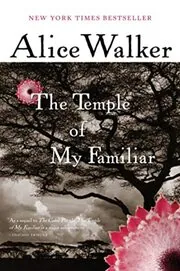
The Temple of My Familiar
by Alice Walker
1989
This wide-ranging novel links dozens of lives across time, place, and ancestry, with Celie and Shug still near its edges. Walker blends family story, history, myth, and spiritual searching into a book about memory, exile, love, and inherited pain.
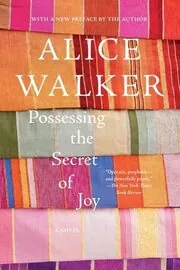
Possessing the Secret of Joy
by Alice Walker
1992
Tashi, first introduced through the world of The Color Purple, struggles with the lasting trauma of female genital cutting. Told through many voices, this novel is fierce, painful, and deeply concerned with memory, culture, and survival.
Color Purple books in chronological order
Series background & context
The Color Purple books work less like a tight sequel chain and more like a family of connected novels. The Color Purple stands on its own, but The Temple of My Familiar and Possessing the Secret of Joy open the world wider, carrying forward characters, descendants, and questions first raised in Celie's story. If you're expecting the same narrator and the same plot from book to book, this series may surprise you. What links the novels is emotional and historical continuity, not a simple next-chapter structure.
It starts with Celie in rural Georgia in the early twentieth century. In The Color Purple, she writes her way through abuse, poverty, separation from her sister Nettie, and a life narrowed by racism and male power. The novel is painful in places, but it is also full of wit, music, friendship, and the slow making of a self. Celie's bond with women like Shug Avery and Sofia becomes the heart of the book.
Then the canvas gets much bigger.
The Temple of My Familiar brings back Celie and Shug, but it shifts away from one central voice and into a web of stories. The setting stretches across generations and continents, moving through Black American life, exile, memory, mixed ancestry, and long buried histories. New characters take center stage, including people trying to understand love, marriage, migration, and the way the past keeps pressing on the present. The tone is broader, stranger, and more meditative than The Color Purple.
Possessing the Secret of Joy narrows the focus again, this time around Tashi, a character readers first meet through Nettie's letters in The Color Purple. Her story deals with the lifelong trauma caused by female genital cutting, and Walker tells it through many voices rather than a single straight line. It is the darkest of the three books, but it is also part of the same larger project: asking what violence does to a person, what memory does to a family, and whether healing is possible after terrible harm.
Across all three books, the stakes are personal and structural at once. These novels care about love, marriage, sex, faith, mothers and daughters, and the daily labor of survival. They also care about history, race, patriarchy, colonialism, and the ways communities pass down both wounds and wisdom. Walker's style can move from plainspoken and intimate to mythic and dreamlike, sometimes within the same book.
So the best way to approach this series is as an expanding circle. Start with The Color Purple for the most direct and emotionally immediate entry point. Then keep going if you want to see how Walker connects one woman's life to much larger questions about ancestry, the African diaspora, bodily freedom, and spiritual repair. The Color Purple was adapted into a 1985 film and later into a stage musical, which helped bring these characters to a huge audience, but the books remain richer, messier, and more searching.








Edited by
Software engineer whose passion for tracking book recommendations from podcasts inspired the creation of MRB.
Lead investor at 3one4 Capital whose startup expertise and love for books helped shape MRB and its growth.
Comments
Did we miss something? Have feedback?
Help us improve this page by sharing your thoughts