
Alexandra Hero Books in Order
Part ofPaul Gallico Books in OrderSee the Alexandra Hero books by Paul Gallico in order, with quick summaries, series background, and where to start with these eerie mystery tales.
Last updated:
As an Amazon Associate, we earn from qualifying purchases (at no extra cost to you).
Alexandra Hero books in publication order
2 books
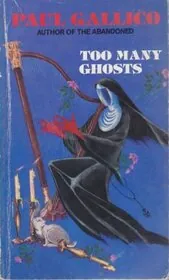
Too Many Ghosts
by Paul Gallico
1959
Alexander Hero is called to a country house where the hauntings seem to multiply by the hour. The more ghosts appear, the more he suspects human motives hiding behind the supernatural show.
The Hand of Mary Constable
by Paul Gallico
1964
Alexander Hero travels to New York to examine spiritualist claims around a dead child and her grieving father. A wax hand bearing Mary's fingerprints turns a ghostly case into a gripping puzzle.
Alexandra Hero books in chronological order
Series background & context
These books follow Alexander Hero, an English investigator of psychic phenomena who steps into cases where hauntings, mediums, and supposedly supernatural signs may be genuine, fraudulent, or some troubling mixture of both. Gallico uses him as a bridge between ghost story and detective novel. Hero is not a reckless occult dabbler. He is a professional observer, skeptical enough to look for tricks, but open enough to admit that fear can change the shape of a room.
These stories like candlelight, locked doors, and one very odd piece of evidence.
In Too Many Ghosts, Hero is called to Paradine Hall, where the manifestations are so varied that they almost undermine themselves. Furniture moves, music sounds in sealed spaces, objects appear where they should not, and the household grows steadily more strained. The title hints at the central puzzle. If a haunting looks like several different hauntings at once, is that proof of the supernatural, or proof that someone is manufacturing confusion? The book plays that question for atmosphere first, then for mystery.
The Hand of Mary Constable shifts the scene to New York and gives Hero a more intimate emotional crisis to untangle. A noted scientist is being drawn under the power of spiritualist claims centered on his dead daughter, Mary. The case turns on grief, belief, fraud, and a physical object that should not exist, a wax hand bearing the child's fingerprints. That setup lets Gallico widen the series from old-house chills into something more modern and psychological, while keeping the same tension between evidence and longing.
What links the two novels is Hero himself. He is less a glamorous sleuth than a specialist who knows how badly people want the dead to return, and how easily that wish can be exploited. At the same time, Gallico never turns the books into cold debunking exercises. He likes atmosphere too much for that. Corridors stay shadowy. Séances stay unsettling. Even when a rational explanation seems likely, the series leaves room for unease.
The tone sits somewhere between classic country-house mystery and supernatural thriller, but in plainer, more direct language than either label may suggest. Gallico is interested in suspense, yes, but he is also interested in the private pressures inside families and households. Jealousy, loneliness, desire, ambition, and old hurt all have a way of looking ghostly when people keep them hidden long enough.
That makes the Alexander Hero books good picks for readers who want eerie fiction without a pile of gore or myth-building. The pleasures here are mood, puzzle, and character friction. You get haunted rooms, clever stage management, nervous witnesses, and a protagonist who has to decide not only what happened, but what people are ready to believe happened.
It is only a two-book sequence, but it has a clear identity. If Gallico's gentler novels show his warmth, these show his taste for menace, ambiguity, and the strange things grief can make possible.





Edited by
Software engineer whose passion for tracking book recommendations from podcasts inspired the creation of MRB.
Lead investor at 3one4 Capital whose startup expertise and love for books helped shape MRB and its growth.
Comments
Did we miss something? Have feedback?
Help us improve this page by sharing your thoughts