
18 Best Wine Books
The best wine books, ranked by how many expert sources recommend each one, with notes on who each suits, from first-time learners to experienced wine enthusiasts.
Our take
Wine books can answer very different questions. A beginner might want to choose a bottle with more confidence, while an experienced drinker may want to understand a vineyard’s location, an unfamiliar grape, or a particular winemaking decision. Other readers are more interested in the people, businesses, and history surrounding the glass.
For an approachable start, Wine Simple and Wine Folly: Magnum Edition use visuals to explain styles and tasting. The Wine Bible offers a larger introduction, while The World Atlas of Wine makes geography the organising principle. The Oxford Companion to Wine and Wine Grapes work better as references for questions that arise along the way. Narrative books take another route: Adventures on the Wine Route introduces producers through travel, and Cork Dork investigates the pursuit of tasting expertise. Choose a format you will actually use, and favour an updated edition when regional rules or producer information matter. Start with a general guide, then follow the questions it leaves you wanting to explore.
18 books · 9 sources · Last updated
As an Amazon Associate, we earn from qualifying purchases (at no extra cost to you).
How to choose from this list
Skip to the full rankingIf you're starting with the basics: Wine Simple → Wine Folly: Magnum Edition
If you want a structured course: Windows on the World Complete Wine Course → The Wine Bible
If you want to understand regions: The World Atlas of Wine → The Sommelier's Atlas of Taste
If you want deeper reference material: The Oxford Companion to Wine → Wine Grapes
If you prefer stories to instruction: Adventures on the Wine Route → Cork Dork → Judgment of Paris
The 18 books, ranked
Ranked by how many expert sources name each book. Ties go to the book more people recommend.

The World Atlas of Wine
For readers who want to understand why location matters to wine. Its detailed maps make regional relationships clearer than a broad beginner guide, though unfamiliar place names can make it demanding without some basic context.
What it's about
Hugh Johnson and Jancis Robinson map the world's wine regions and explain the geography behind their wines. This edition combines detailed cartography with revised regional coverage, photographs, infographics, and discussion of climate change and wine economics.

The Wine Bible
For readers who want a substantial introduction they can continue using as a reference. Its anecdotes and regional coverage make it more readable than an encyclopedia, though its size may overwhelm someone seeking only shopping basics.
What it's about
Karen MacNeil introduces wine fundamentals through explanations, regional accounts, maps, glossaries, and recommended bottles. Drawing on extensive travel and tasting, she combines reference material with anecdotes and practical guidance for readers exploring the world of wine.

For beginners who want clear visuals and practical help choosing and tasting wine. Its approachable format builds confidence more quickly than a dense reference, though advanced regional questions will eventually need a more detailed book.
What it's about
Aldo Sohm introduces wine through illustrations, infographics, and practical advice on grapes, regions, and tasting. He explains choosing bottles, organizing tastings, developing a flavor vocabulary, and recognizing faults while encouraging readers to explore their own preferences.

The Oxford Companion to Wine
For readers who need dependable explanations of particular terms, places, or processes. Its encyclopedic structure is more useful for answering questions than a narrative guide, though it is dense and rewards consulting individual entries.
What it's about
This reference work surveys wine, winemaking, and wine drinking through expert contributions. It combines practical and technical coverage with historical context, providing a resource for understanding the processes, traditions, and culture surrounding wine.
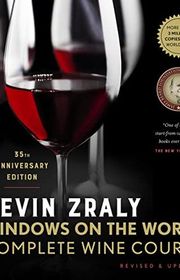
Windows on the World Complete Wine Course
For readers who prefer a sequence of lessons to browsing an encyclopedia. Its course structure connects regional knowledge with tasting practice, though the approach works best when you can compare wines alongside the reading.
What it's about
Kevin Zraly introduces wine through a structured course covering major regions, grape varieties, and tasting. Questions, explanations, and practical exercises help readers connect information on the page with the differences they notice in a glass.

For readers who want to understand wine through people, cellars, and a merchant’s judgments. Its strong personal voice makes French regional character memorable, though the account reflects one perspective and an earlier period of wine commerce.
What it's about
Wine merchant Kermit Lynch travels through France's wine regions, meeting vintners and exploring their cellars. Portraits of producers and accounts of regional wines accompany his reflections on authenticity, pleasure, and the relationship between wine and place.

The Billionaire's Vinegar
The Mystery of the World's Most Expensive Bottle of Wine
For readers who prefer an investigation to a tasting guide. Its focus on provenance and collectors reveals another side of wine culture, though learning about rare-bottle intrigue offers little direct help with everyday buying.
What it's about
Benjamin Wallace investigates a bottle of 1787 Chateau Lafite, reportedly owned by Thomas Jefferson, that fetched an extraordinary auction price. The account follows collectors and wine experts through questions of provenance, obsession, and possible fraud.

For readers who want French wine culture placed within the pressures of wartime occupation. Its producer stories connect wine with survival and resistance, though it offers little instruction in tasting or choosing bottles.
What it's about
Donald and Petie Kladstrup recount how French wine producers protected vineyards and bottles from Nazi plunder during World War II. Their history follows the ingenuity and risks of winemakers resisting occupation while defending a central part of French culture.

For visual learners who want grapes, styles, maps, and food pairings in one browsable volume. Its graphics make comparison easy, though the simplified profiles cannot capture every producer’s approach or every regional variation.
What it's about
This illustrated wine reference introduces more than one hundred grapes and wine styles, regional maps, and labeling systems. Tasting guidance explains acidity and tannins, while an expanded pairing section helps readers connect different wines with food.

Wine Grapes
A Complete Guide to 1,368 Vine Varieties, Including Their Origins and Flavours
For readers whose questions have moved from familiar styles to grape identities and relationships. Its depth makes it a specialist reference with few equivalents here, though it is too detailed for a first general wine book.
What it's about
Jancis Robinson, Julia Harding, and Jose Vouillamoz profile 1,368 wine grape varieties, covering their origins, growth, distribution, and flavors. Research into genetic relationships and names helps readers understand how varieties are connected and what wines they produce.

Cork Dork
For readers curious about how serious tasters develop their senses and professional identities. Its reporting makes the pursuit of expertise entertaining, though it follows an immersive personal journey rather than teaching a systematic wine course.
What it's about
Journalist Bianca Bosker enters the world of elite sommeliers to investigate their devotion to taste. Her journey through tasting groups, restaurants, wine factories, and scientific research explores how sensory expertise develops and what makes wine compelling.
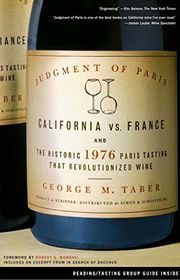
Judgment of Paris
For readers who want the story behind a tasting that challenged wine’s established hierarchy. Its focus on people and a specific event makes it accessible, though it is a historical narrative rather than a broad tasting manual.
What it's about
George Taber recounts the 1976 Paris tasting in which California wines competed with celebrated French bottles. Profiles of the winemakers and the circumstances of the event explain its significance for California wine and international perceptions of quality.
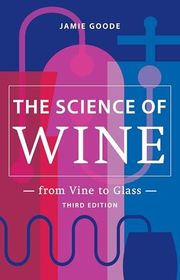
The Science of Wine
For readers who want to understand the processes behind flavor, faults, and winemaking choices. Its scientific explanations go further than a consumer guide, though some sections require more concentration than a general introduction.
What it's about
Jamie Goode explains the science connecting vineyards, winemaking, and the experience of tasting. Topics include grape growing, fermentation, aroma, and wine faults, helping readers understand how biological and chemical processes influence what ends up in the glass.

For readers interested in champagne through biography, entrepreneurship, and social history. Clicquot’s career gives the subject a clear human focus, though this is one company’s story rather than a general guide to sparkling wine.
What it's about
Tilar J. Mazzeo traces the life of Barbe-Nicole Clicquot Ponsardin, who took over her husband's wine business after becoming a widow. The biography follows her efforts to build an international champagne enterprise amid war and restrictive expectations of women.

For readers who already know basic wine terms and want to connect European regions with sensory differences. Its tasting-focused geography adds another layer to an atlas, though its European scope and assumed knowledge limit its beginner appeal.
What it's about
Rajat Parr and Jordan Mackay examine the tastes of Europe's wines region by region. They connect differences in soil, appellation, producer style, and winemaking technique with the sensory distinctions that help readers describe and compare wines.

The Essential Scratch and Sniff Guide to Becoming a Wine Expert
For readers who want an informal introduction through smell rather than technical terminology. Its interactive format makes aroma categories approachable, though the short treatment and physical scent patches limit its use as a lasting reference.
What it's about
Richard Betts introduces wine through its fruit, wood, and earth aromas. Illustrated explanations and scratch-and-sniff scents help readers recognize basic components, compare styles, and discover which kinds of wine suit their personal tastes.
Also recommended by
2 people Maria Popova recommended this book
Maria Popova
"Lovely, and profound, and challenge our existing ideas about sensory experience." - Maria Popova
Maria Popova's recommendation of this book  Chris Sacca recommended this book
Chris Sacca
"There’s incredible knowledge in [this book]." - Chris Sacca
Chris Sacca's recommendation of this book

For readers who want brief practical guidance on buying, serving, and enjoying wine. Its concise rules make an easy confidence-building reference, though it provides much less regional or technical depth than the larger guides.
What it's about
Jon Bonne offers brief, illustrated guidance on choosing, buying, storing, and enjoying wine. He challenges intimidating conventions and common assumptions about price and quality, encouraging readers to develop confidence and focus on their own enjoyment.

For readers interested in what a wine career can cost as well as offer. Its personal account brings hospitality’s working conditions into focus, though abuse and sexism make this a difficult memoir rather than a light wine introduction.
What it's about
Victoria James recounts her path from a difficult childhood and early restaurant jobs to becoming a young sommelier. Her memoir examines abuse and sexism in fine dining alongside the hospitality, vineyards, and wine that helped sustain her ambitions.
Sources
- 1
Wine Books We Recommend | This Day in Wine History
thisdayinwinehistory.com
- 2
The 10 Best Wine Books for Beginners | Wine Enthusiast
wineenthusiast.com
- 3
Best Books About Wine: 10 Top-Rated Wine Books Learners
napavalleywineacademy.com
- 4
Books on Wine - Cincinnati Wine Academy
cincinnatiwineacademy.com
- 5
The Very Best Wine Books Picked by Pros | Wine Folly
plus.winefolly.com
- 6
10 Best Wine Books We Recommend Reading in 2026
goodpairdays.com
- 7
Best Wine Books
goodreads.com
- 8
Good beginners wine book recommendations
reddit.com
- 9
Looking for wine book recommendations after finishing Cork Dork
reddit.com





Edited by
Software engineer whose passion for tracking book recommendations from podcasts inspired the creation of MRB.
Lead investor at 3one4 Capital whose startup expertise and love for books helped shape MRB and its growth.
Comments
Did we miss something? Have feedback?
Help us improve this page by sharing your thoughts