
17 Best William Shakespeare Books
The best William Shakespeare books, ranked by how many expert sources recommend each one, with notes for choosing tragedies, comedies, histories, and sonnets.
Our take
Shakespeare's writing moves between public power and private feeling: rulers argue with their consciences, lovers misunderstand one another, and families discover how fragile their loyalties can be. These plays and poems offer very different reading experiences. Comedy relies on disguise and wordplay, tragedy asks harder questions about judgment and responsibility, and the histories connect memorable characters with struggles over authority.
For a first play, Macbeth offers concentrated dramatic momentum, while Much Ado About Nothing gives verbal comedy a clear romantic setting. Hamlet and King Lear demand more time and emotional attention. Henry IV, Part 1 joins political conflict with tavern comedy, and Shakespeare's Sonnets rewards reading a few poems closely rather than rushing through a plot. An edition with clear notes can make unfamiliar language easier to follow, and hearing actors speak the lines often clarifies their rhythm and meaning. Start with the genre you already enjoy and pair the text with a performance when possible.
17 books · 8 sources · Last updated
As an Amazon Associate, we earn from qualifying purchases (at no extra cost to you).
Reading William Shakespeare in order? See all William Shakespeare books in order
How to choose from this list
Skip to the full rankingIf you want a first tragedy: Macbeth → Romeo and Juliet
If you want an introduction to comedy: Much Ado About Nothing → A Midsummer Night's Dream → Twelfth Night
If you want deeper tragic reflection: Hamlet → King Lear
If you want politics and public persuasion: Julius Caesar → Henry IV, Part 1
If you enjoy magic and shifting moods: The Tempest → The Winter's Tale
If you prefer poetry in short readings: Shakespeare's Sonnets
The 17 books, ranked
Ranked by how many expert sources name each book. Ties go to the book more people recommend.
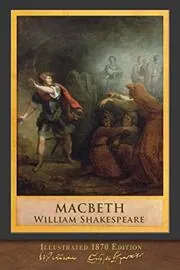
Macbeth
For newcomers who want a relatively concentrated tragedy. The urgent pacing and recurring images make ambition and guilt easy to follow, though dense speeches and supernatural suggestions still reward an annotated edition or performance alongside the text.
What it's about
Victorious soldier Macbeth hears a prophecy that he will be king and, urged on by Lady Macbeth, seizes the crown through bloodshed. Supernatural visions and mounting paranoia haunt this tight, relentless study of ambition and guilt.
Also recommended by
1 person J.K. Rowling recommended this book
J.K. Rowling
"Possibly my favorite Shakespeare play" - J.K. Rowling
J.K. Rowling's recommendation of this book
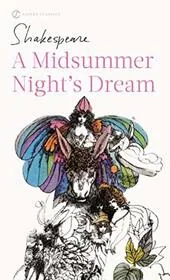
A Midsummer Night's Dream
For readers drawn to theatrical playfulness and interlocking comic worlds. The contrasts between lovers, fairies, and amateur actors offer several kinds of humor, though tracking the paired names and older wordplay takes some initial attention.
What it's about
Four runaway lovers, feuding fairies, and a group of amateur actors collide in a moonlit forest outside Athens. Enchantments, mistakes, and a play-within-a-play create one of Shakespeare's lightest, most magical comedies.
Romeo and Juliet
For readers who want lyrical language within a familiar, fast-moving tragedy. The shifts between youthful comedy and emotional urgency make a strong introduction, though the sexual jokes and social conventions can be missed without notes.
What it's about
In Verona, teenagers Romeo and Juliet fall in love across a bitter family feud and marry in secret. Misunderstandings and impulsive choices drive this fast, lyrical tragedy about passion, loyalty, and the cost of inherited hatred.
King Lear
For readers prepared for a sustained examination of family obligation and vulnerability. Its parallel stories enlarge the moral questions beyond one household, though the violence and emotional severity make it an intense rather than gentle introduction.
What it's about
Aging King Lear divides his realm among his daughters, rewarding flattery and banishing honesty. As loyalties crack and storms rage, the play follows Lear's descent from power into madness and the brutal cost of pride.
Also recommended by
1 person Steve Jobs recommended this book
Steve Jobs
"I loved [this book]." - Steve Jobs
Steve Jobs's recommendation of this book
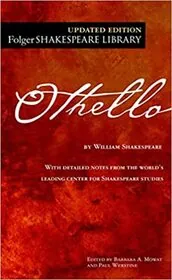
Othello
For readers interested in persuasion, trust, and the way language shapes judgment. The concentrated relationships give the tragedy a clear dramatic focus, though its racism, misogyny, and intimate cruelty can make the experience especially disturbing.
What it's about
Othello, a respected general, secretly marries Desdemona and earns the quiet hatred of his ensign, Iago. Through careful lies and planted doubts, Iago turns Othello's love into corrosive jealousy with tragic consequences.
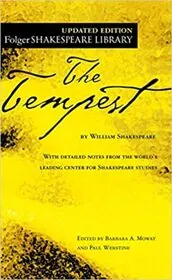
The Tempest
For readers who like a compact mixture of magic, authority, and theatrical self-reflection. The island setting brings several concerns into close contact, though the tonal shifts and unresolved questions about power resist a simple fairy-tale reading.
What it's about
Shipwrecked nobles wash ashore on a mysterious island ruled by Prospero, a magician and usurped duke. As spirits obey his commands, he engineers revenge, romance, and finally forgiveness in this blend of fantasy, politics, and family drama.
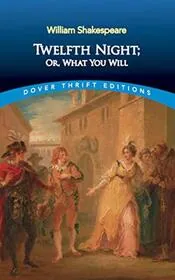
Twelfth Night
For readers who want comedy with emotional shadows beneath the disguises. The mixture of longing, music, and social mockery gives the humor depth, though the treatment of humiliation can feel much harsher than the festive atmosphere suggests.
What it's about
After a shipwreck, Viola disguises herself as the page Cesario and serves Duke Orsino, only to be caught in a tangle of mistaken identities and unrequited love. Twelfth Night mixes sharp comedy with a bittersweet look at desire.
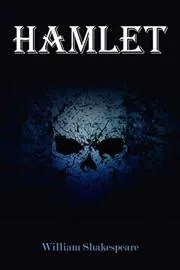
Hamlet
For readers who enjoy uncertainty, reflection, and competing interpretations. The soliloquies offer more sustained inward questioning than the shorter tragedies, though the length and digressive conversations make this a demanding first encounter.
What it's about
When the ghost of his father demands revenge, Prince Hamlet struggles to prove a murder and decide how far he is willing to go. The play blends court intrigue, dark humor, and searching questions about action, doubt, and death.
Also recommended by
2 people Naval Ravikant recommended this book
Naval Ravikant
"If I'm going to read fiction, might as well start at the top." - Naval Ravikant
Naval Ravikant's recommendation of this book  Ryan Holiday recommended this book
Ryan Holiday
"Philosophy runs through this play." - Ryan Holiday
Ryan Holiday's recommendation of this book
Antony and Cleopatra
For readers who want desire and political authority treated on an expansive stage. The mature lovers and competing public identities offer a contrast to Romeo and Juliet, though rapid scene changes and dense language make it less straightforward.
What it's about
Roman leader Mark Antony is torn between duty to Rome and his consuming love for Cleopatra, queen of Egypt. Their affair unfolds against shifting alliances and looming war, where private passion collides with imperial ambition.
Much Ado About Nothing
For readers who enjoy quick exchanges and romantic comedy with a sharper edge. Beatrice and Benedick's verbal contest makes the play approachable, though the parallel story brings a disturbing treatment of reputation and sexual accusation.
What it's about
In sunny Messina, sharp-witted Beatrice and Benedick trade insults while younger lovers Claudio and Hero plan a wedding. Lies and staged scenes nearly wreck both couples before truth and some theatrical trickery set things right.
Henry IV, Part 1
For readers who want political history balanced with exuberant character comedy. The movement between court and tavern makes competing ideas of honor vivid, though the historical names and wider sequence require more orientation than a standalone comedy.
What it's about
King Henry faces rebellion while his son Prince Hal spends his time with Falstaff and other disreputable companions. The contrast between Hal and the admired Hotspur frames a struggle over honor, inheritance, and the demands of kingship.
Julius Caesar
For readers interested in political persuasion and the gap between motives and consequences. The speeches offer unusually clear material for examining rhetoric, though the Roman alliances and rapid changes of loyalty benefit from a short introduction.
What it's about
In ancient Rome, senators fear Julius Caesar's growing power and draw his friend Brutus into a deadly conspiracy. The play tracks the assassination, its fallout, and the clash between idealism, loyalty, and the sway of public opinion.
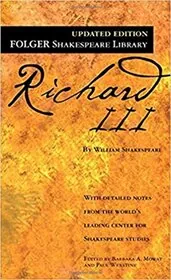
Richard III
For readers drawn to theatrical villains and direct engagement with the audience. Richard's self-presentation gives the political maneuvering a strong focal voice, though the crowded dynastic background and distorted historical portrait require contextual reading.
What it's about
Richard, Duke of Gloucester, schemes and murders his way toward the English throne with chilling charm. The play pulls audiences inside his plots even as the consequences of his cruelty finally turn against him.
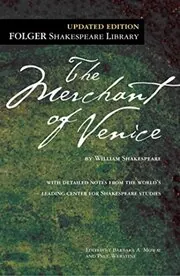
The Merchant of Venice
For readers ready to question the boundaries between comedy and cruelty. The shifting treatment of justice and mercy invites difficult interpretation, though the play's antisemitism needs critical historical attention rather than an uncomplicated comic reading.
What it's about
In Venice, merchant Antonio borrows money from the Jewish lender Shylock under a deadly bond so his friend can woo an heiress. The play moves from romantic comedy to sharp courtroom drama around mercy, prejudice, and justice.
The Winter's Tale
For readers comfortable with large shifts in mood and theatrical possibility. The movement between severity and pastoral comedy offers a distinctive late-play experience, though abrupt transitions and deliberate improbabilities demand a willingness to accept stage conventions.
What it's about
King Leontes suddenly suspects his pregnant wife Hermione of betrayal and tears his family and kingdom apart. Years later, shepherds, lost children, and a long-planned reunion pull this tale from stark jealousy toward forgiveness and renewal.
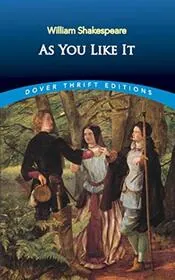
As You Like It
For readers who enjoy verbal play and experiments with identity more than tight plotting. The pastoral setting gives courtship and social roles room for argument, though the leisurely movement can feel slight if you want urgent dramatic action.
What it's about
Banished from court, Rosalind escapes to the Forest of Arden disguised as a young man and meets her lovestruck friend Orlando there. The woods become a playground for wordplay, music, and tangled romances before everything resolves in celebration.
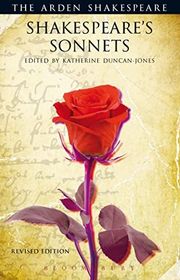
Shakespeare's Sonnets
For readers who prefer close attention to a short poem over following a full dramatic cast. The repeated form makes variations in argument rewarding, though compressed syntax and shifting speakers often need rereading and careful annotation.
What it's about
This sequence of 154 sonnets explores love, desire, beauty, time, jealousy, and the possibilities of poetry itself. Individual poems form intricate arguments while recurring figures and concerns create connections across the collection, inviting both separate and sequential reading.
Sources
- 1
The ten best Shakespeare plays of all time - Time Out London
timeout.com
- 2
10 Classic Shakespeare Plays Everyone Should Read – Interesting Literature
interestingliterature.com
- 3
Shakespeare Books - Five Books Expert Recommendations
fivebooks.com
- 4
Shakespeare's works | Folger Shakespeare Library
folger.edu
- 5
Shakespeare's plays | Royal Shakespeare Company
rsc.org.uk
- 6
Best of William Shakespeare (115 books)
goodreads.com
- 7
In what order should I read Shakespeare’s plays? : r/shakespeare
reddit.com
- 8
Where to start? : r/shakespeare
reddit.com







Edited by
Software engineer whose passion for tracking book recommendations from podcasts inspired the creation of MRB.
Lead investor at 3one4 Capital whose startup expertise and love for books helped shape MRB and its growth.
Comments
Did we miss something? Have feedback?
Help us improve this page by sharing your thoughts