
29 Best Vietnam War Books
The best Vietnam War books, ranked by how many expert sources recommend each one, with notes for readers choosing histories, memoirs, and novels.
Our take
Books about the Vietnam War differ sharply in scale and perspective. A history can explain the decisions behind intervention, while a memoir follows what one person could see and understand. Fiction explores memory, fear, and moral uncertainty through forms that a chronological account cannot. These books suit readers approaching the conflict for the first time as well as those looking beyond familiar American battlefield narratives.
Vietnam: A History and America's Longest War offer broad foundations. Embers of War looks earlier, at the collapse of French colonial rule. A Rumor of War brings an American officer's experience into focus, while Bloods gathers Black veterans' voices. When Heaven and Earth Changed Places provides a Vietnamese civilian perspective. For fiction, The Things They Carried examines storytelling and memory, and The Sorrow of War approaches loss through a North Vietnamese soldier's experience.
Start with a general history, then pair an American personal account with a Vietnamese one to widen your understanding.
29 books · 9 sources · Last updated
As an Amazon Associate, we earn from qualifying purchases (at no extra cost to you).
How to choose from this list
Skip to the full rankingIf you're new to the history: Vietnam → America's Longest War
If you want the colonial background: Embers of War → Street Without Joy
If you want contrasting personal perspectives: A Rumor of War → When Heaven and Earth Changed Places
If you're exploring war through fiction: The Things They Carried → The Sorrow of War
If you want experiences beyond infantry combat: Bloods → Home Before Morning
If you're studying American decision-making: The Best and the Brightest → A Bright Shining Lie
The 29 books, ranked
Ranked by how many expert sources name each book. Ties go to the book more people recommend.
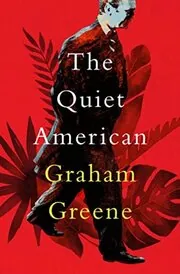
The Quiet American
For readers interested in the political assumptions that preceded the American war. Its compact literary treatment of innocence and intervention complements later histories, though the Vietnamese characters receive less interior attention than the Western protagonists.
What it's about
In early 1950s Saigon, British journalist Thomas Fowler tries to report the war without taking sides. Then the idealistic American Alden Pyle arrives with his own plan for Vietnam, and both politics and a shared love begin to turn deadly.
Also recommended by
2 people Anthony Bourdain recommended this book
Anthony Bourdain
"I re-read it frequently. Particularly when visiting Vietnam." - Anthony Bourdain
Anthony Bourdain's recommendation of this book  Richard Branson recommended this book
Richard Branson
Richard Branson recommended this book on his "70 must-read books" blog post.
Richard Branson's recommendation of this book

The Things They Carried
For readers interested in memory, guilt, and how war stories work. Its linked fiction offers a more self-questioning reading experience than a conventional memoir, though the deliberate uncertainty about truth can frustrate readers seeking factual chronology.
What it's about
A linked collection of stories about an American platoon in Vietnam, The Things They Carried catalogs both the physical gear and the emotional burdens the soldiers bear. Shifting between past and present, it blurs truth and fiction to explore memory, guilt, love, and storytelling itself.
Also recommended by
2 people Caroline Paul recommended this book
Caroline Paul
"A beautiful book by a writer who fought in Vietnam." - Caroline Paul
Caroline Paul's recommendation of this book  Tim Ferriss recommended this book
Tim Ferriss
"Be forewarned that it contains beautiful prose and graphic violence in equal measure." - Tim Ferriss
Tim Ferriss's recommendation of this book

Going After Cacciato
For readers who appreciate the imaginative uncertainty of The Things They Carried. Its movement between wartime reality and a possible escape makes a more surreal reading experience, though it won't satisfy readers seeking straightforward combat realism.
What it's about
Going After Cacciato follows young soldier Paul Berlin as he imagines chasing a deserter who decides to walk from Vietnam all the way to Paris. Moving between patrols, daydreams, and memory, the novel mixes battlefield realism with a strange, hopeful fantasy of escape.

For readers ready for a long, immersive Marine combat novel. Its attention to terrain, logistics, race, and command pressures gives the unit unusual depth, though military terminology and the sustained intensity can slow an unfamiliar reader.
What it's about
Young Marine lieutenant Waino Mellas and his company confront combat in Vietnam's mountain jungle. Disease, hostile terrain, racial tension, and competing military ambitions strain their solidarity as survival forces them to navigate the distances between duty and humanity.
Also recommended by
2 people Patrick Collison recommended this book
Patrick Collison
Patrick Collison labeled this book "substantially above average."
Patrick Collison's recommendation of this book  Jeremy Clarkson recommended this book
Jeremy Clarkson
"If [this book] is not the best book ever written, what is?" - Jeremy Clarkson
Jeremy Clarkson's recommendation of this book

For readers who want combat fiction grounded in platoon relationships and social divisions. Its attention to class and leadership offers a different emphasis from O'Brien's storytelling experiments, though the violence and military detail can be demanding.
What it's about
Three young Marines from different backgrounds enter the violence of the Vietnam War: Harvard student Goodrich, streetwise Snake, and Lieutenant Hodges. Their experiences within one platoon expose tensions around class, loyalty, leadership, and the personal costs of combat.
Also recommended by
1 person Jocko Willink recommended this book
Jocko Willink
Jocko Willink covered this book in "Jocko Podcast" Ep. 149
Jocko Willink's recommendation of this book
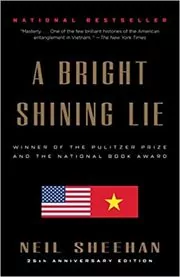
For readers who want to connect individual ambition with American military policy. Its detailed biography provides a human thread through strategic failure, though the length and concentration on one figure make it a substantial commitment.
What it's about
Neil Sheehan examines America's involvement in Vietnam through the life of soldier and adviser John Paul Vann. Combining biography and history, he traces Vann's criticism of military strategy and the contradictions within the wider American war effort.

For readers who want an American officer's account of moral disillusionment. Its reflective attention to responsibility distinguishes it from a campaign history, though it remains one Marine's perspective and contains disturbing descriptions of violence.
What it's about
Philip Caputo recounts his service as a Marine lieutenant in Vietnam, beginning with his arrival at Da Nang in 1965. His memoir explores combat, fear, and moral strain as youthful military idealism confronts the realities of war.
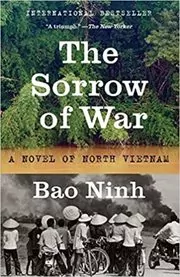
For readers seeking a North Vietnamese soldier's literary perspective. Its fragmented treatment of grief and memory challenges a purely American view of the war, though the disrupted chronology is harder to follow than a conventional combat narrative.
What it's about
After the Vietnam War, Kien searches former battlefields for soldiers' remains and attempts to make sense of his past. Memories of combat and his love for Phuong intertwine in a fragmented portrait of survival and loss.

Dispatches
For readers who want the language, atmosphere, and disorientation of wartime reporting. Its compressed, restless style conveys a different kind of immediacy from formal history, though it provides little help with chronology or campaign maps.
What it's about
Michael Herr recounts his experiences reporting from Vietnam, focusing on combat and the soldiers living through it. Fragmented scenes, conversations, and reflections convey fear, dark humor, and the disorienting culture of war rather than a conventional campaign history.

For readers who want O'Brien's autobiographical response to service before his later fiction. Its focus on conscience and courage is more direct than The Things They Carried, though it provides a personal account rather than operational history.
What it's about
Drawing on his year as a foot soldier in Vietnam, If I Die in a Combat Zone follows O'Brien from induction and training to the minefields and villages of Quang Ngai. He wrestles with fear, conscience, and what courage really means.
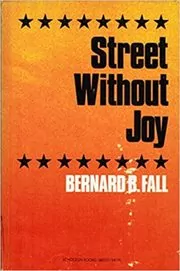
For readers who want to understand the French war before large-scale American involvement. Its military analysis exposes problems later armies faced again, though its period terminology and detailed campaigns require patience and attention to historical context.
What it's about
Fall examines France's war against Communist-led Vietnamese nationalists, combining historical analysis with observations from Indochina. Campaigns, individual experiences, and political complexities illuminate the difficulties of guerrilla warfare and the limits of conventional military power in the conflict.
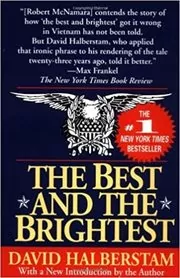
The Best and the Brightest
For readers asking how confident American policymakers could make such damaging decisions. Its close attention to personalities and institutions complements battlefield accounts, though its Washington-centered narrative gives less space to Vietnamese lives and decision-making.
What it's about
A deep account of how the Kennedy and Johnson administrations led the United States into Vietnam. Halberstam follows the gifted officials, bad assumptions, and political pressures that turned confidence into disaster.

For readers who want Vietnamese displacement and divided loyalties explored through satire and espionage. Its critical view of American war narratives expands the fiction here, though the dense voice and shifting political allegiances demand close attention.
What it's about
An unnamed half-French, half-Vietnamese double agent escapes the fall of Saigon and lands in Los Angeles, where he keeps spying inside a refugee community. It's a darkly funny, tense novel about loyalty, exile, and divided identity.
Also recommended by
2 people Bill Gates recommended this book
Bill Gates
"This thrilling story about a double agent lived up to the hype." - Bill Gates
Bill Gates's recommendation of this book  Max Levchin recommended this book
Max Levchin
Max Levchin recommended this book on LinkedIn.
Max Levchin's recommendation of this book

We Were Soldiers Once . . . and Young
Ia Drang—The Battle That Changed the War in Vietnam
For readers interested in how a major battle unfolded at ground level. Its participant-based reconstruction offers more tactical detail than the broad histories, though the narrow focus works best with some knowledge of the wider war.
What it's about
Harold Moore and Joseph Galloway recount the 1965 fighting at Ia Drang, drawing on their experiences and interviews with participants. Their history examines the battles at X-Ray and Albany through command decisions, individual actions, and the experiences of opposing forces.
Also recommended by
1 person- Jocko Willink recommended this book
Jocko Willink
Jocko Willink covered this book in "Jocko Podcast" Ep. 105
Jocko Willink's recommendation of this book
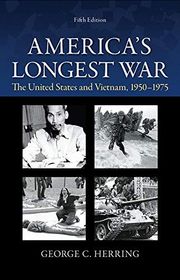
America's Longest War: The United States and Vietnam, 1950-1975
For readers who want a comparatively concise account of American involvement. Its chronological framework makes a useful companion to individual memoirs, though its concentration on United States policy leaves less room for the full range of Vietnamese experiences.
What it's about
George Herring traces American involvement in Vietnam from the early Cold War to the fall of South Vietnam. He examines diplomatic choices, military strategy, domestic pressures, and the assumptions that shaped successive administrations' approach to the conflict.
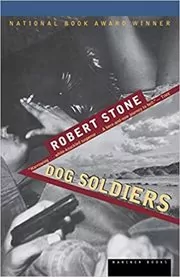
Dog Soldiers
For readers drawn to noir and the war's corrosive influence beyond the battlefield. Its criminal narrative links Vietnam with American counterculture differently from a soldier memoir, though it offers an oblique route into the conflict.
What it's about
In wartime Saigon, journalist John Converse becomes involved in a heroin deal in search of profit and excitement. When the scheme reaches the United States, he is drawn into a dangerous world of drug dealers, corrupt authorities, and killers.
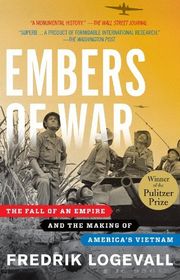
Embers of War: The Fall of an Empire and the Making of America's Vietnam
For readers who want to understand how the French colonial war shaped later American choices. Its international context provides a stronger foundation than starting with American combat memoirs, though the detailed prehistory makes for a long read.
What it's about
Fredrik Logevall traces the end of French colonial rule in Indochina and the decisions that drew the United States toward deeper involvement. Diplomacy, nationalist ambitions, and military conflict connect Vietnam's struggle with the wider Cold War.

The Short-Timers
For readers who want a short, abrasive Marine novel. Its compressed language delivers a harsher, more stylized experience than a conventional memoir, though the brutality and dark humor can make its brevity misleading about the reading difficulty.
What it's about
Corporal Joker and his fellow Marines count down the days remaining in their Vietnam tours while fighting to stay alive. Combat in 1968 exposes the brutality of war and the strains it places on ordinary soldiers.
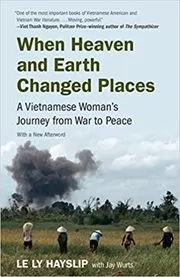
When Heaven and Earth Changed Places
For readers seeking a Vietnamese woman's account of survival and return. Its civilian and family focus provides an essential counterpoint to American military memoirs, though the intensely personal narrative does not attempt a comprehensive political history.
What it's about
Le Ly Hayslip recounts growing up amid the Vietnam War and revisiting her homeland in 1986. Told from a Vietnamese woman's perspective, the memoir explores the conflict's human costs and the effort to understand a country transformed.
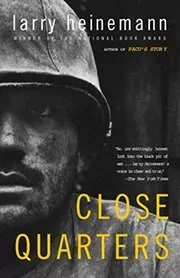
For readers who want an unsoftened fictional portrait of a young infantryman's experience. Its close narrative voice emphasizes moral erosion more directly than a strategic history, though the explicit brutality makes it a difficult starting point.
What it's about
Young Chicago draftee Philip Dosier enters the Vietnam War directly from high school. Through his voice, Larry Heinemann depicts ambushes, firefights, brutal conditions, and the erosion of ordinary assumptions as a young soldier struggles to endure combat.
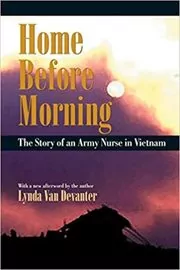
For readers who want a military nurse's perspective on service and homecoming. Its attention to medical work brings experiences absent from infantry memoirs into view, though graphic injuries and the emotional aftermath make it distressing reading.
What it's about
Army nurse Lynda Van Devanter recounts her service in Vietnam and the difficult return to civilian life. Her memoir traces shattered expectations, the demands of treating wounded soldiers, and the enduring personal consequences of war.
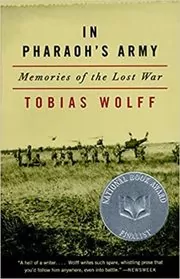
For readers who prefer a compact memoir with irony and self-scrutiny. Wolff's attention to chance and embarrassment offers a different tone from heroic combat narratives, though its selective episodes leave gaps in the wider military story.
What it's about
Tobias Wolff recounts military training and his service in Vietnam, including the Tet offensive. His memoir combines dark humor with close observation of fellow soldiers, fear, chance, and the erosion of his own youthful illusions.
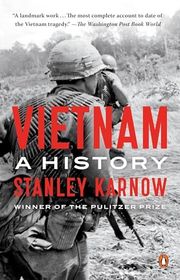
Vietnam: A History
For readers seeking one broad narrative before choosing specialized accounts. Its journalistic sweep connects political developments with the progress of the war, though its earlier publication means it cannot incorporate all the scholarship and archives available today.
What it's about
Stanley Karnow examines Vietnam's history and the conflict that drew in the United States. Drawing on reporting and interviews, he follows colonialism, nationalism, political leaders, and military decisions to explain the course and consequences of the war.

For readers who want to look beyond a famous photograph to a Vietnamese civilian's life. Its biographical focus makes the war's aftermath personal, though one survivor's experience cannot provide a general political or military history.
What it's about
Denise Chong tells the story of Kim Phuc, the Vietnamese girl photographed fleeing a napalm attack in 1972. Following her life beyond the image, the biography connects personal survival with war, politics, and displacement.
Also recommended by
1 person Lisa Ling recommended this book
Lisa Ling
"The story of the young girl who was photographed running naked in horror after her village was napalmed during the war, and who came to symbolize for the world its utter disaster and devastating toll." - Lisa Ling
Lisa Ling's recommendation of this book
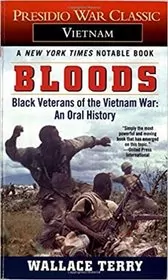
For readers seeking Black American veterans' varied voices. The oral-history format reveals differences in service, race, and homecoming that a single memoir cannot, though the accounts need wider historical context to form a complete picture.
What it's about
Wallace Terry gathers the firsthand accounts of twenty Black veterans of the Vietnam War. Their stories examine combat, patriotism, racial inequality, and life beyond the battlefield, presenting the war through varied personal experiences.
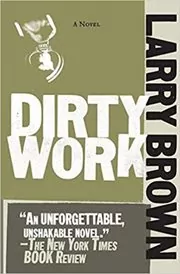
Dirty Work
For readers interested in war's lasting effects on wounded veterans. Its intimate, dialogue-centered fiction shifts attention from combat to survival afterward, though the confined setting and painful subject offer little relief or wider historical explanation.
What it's about
Two severely wounded Vietnam veterans, one Black and one white, occupy neighboring beds in a veterans' hospital. Over a day and night, the Mississippi-born men exchange memories and confront the lasting personal costs of war.
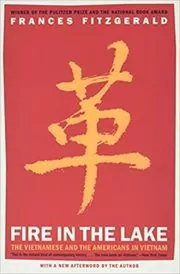
For readers questioning the assumptions behind American intervention. Its attention to Vietnamese society broadens the policy-centered accounts here, though it is an outsider's interpretation from the war years and benefits from comparison with later scholarship.
What it's about
Frances FitzGerald examines Vietnamese history, culture, and political divisions alongside French colonialism and American intervention. She argues that misunderstandings of Vietnamese society shaped the United States' approach to the war, presenting the conflict through a Vietnamese-centered perspective.
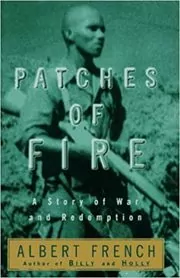
For readers seeking a Black Marine's account that continues into civilian life. Its attention to recovery and creative work extends beyond combat recollection, though its individual path offers a narrower view than the multiple voices in Bloods.
What it's about
Albert French recalls serving as a young Black Marine in Vietnam, being wounded, and returning to Pittsburgh. His memoir connects combat memories with his later work as a photographer and publisher and his search for renewal through writing.

For readers who want to sample different American literary responses before choosing a full book. Its mixture of genres makes comparison easier than a single narrative, though excerpts interrupt continuity and Vietnamese perspectives need additional reading.
What it's about
Edited by Stewart O'Nan, this anthology gathers American fiction, memoir, poetry, drama, and other cultural responses to the Vietnam War. Contrasting perspectives explore combat and its aftermath, while introductions and reading questions help readers examine how the war was represented.
Sources
- 1
14 of the Best Books on the Vietnam War
mentalfloss.com
- 2
The 25 Best of Vietnam War Literature
lopezbooks.com
- 3
Ten Vietnam War Novels to Read
cfr.org
- 4
Vietnam War Books
goodreads.com
- 5
The Top 30 Vietnam War Books to Read This Winter
historynet.com
- 6
Book Recommendations
reddit.com
- 7
The Best Vietnam War Books
fivebooks.com
- 8
My Vietnam War books, any suggestions as to others I should read?
reddit.com
- 9
The Best Vietnam War Books
penguinrandomhouse.com






Edited by
Software engineer whose passion for tracking book recommendations from podcasts inspired the creation of MRB.
Lead investor at 3one4 Capital whose startup expertise and love for books helped shape MRB and its growth.
Comments
Did we miss something? Have feedback?
Help us improve this page by sharing your thoughts