
11 Best TCP/IP Books
The best TCP/IP books, ranked by how many expert sources recommend each one, with notes for networking students, programmers, and system administrators.
Our take
TCP/IP books can explain how Internet protocols fit together, show what happens to packets, or help you write and administer networked systems. Those are related but different tasks. A protocol reference is useful when you need to understand behavior; an implementation volume asks you to follow code, while an administration guide connects concepts with operational work.
Internetworking with TCP/IP builds a systematic architectural foundation. TCP/IP Illustrated follows protocol behavior in detail, and The TCP/IP Guide offers a broad visual reference. The Illustrated Network connects those ideas through examples from a complete network. Programmers can go further into implementation and sockets, while routing and administration books concentrate on particular responsibilities. Many useful texts are older, so their explanations may remain valuable even when commands, equipment, and implementation details need checking against current documentation.
Start with an overview that matches your technical background, then choose the book closest to what you want to inspect: packets, source code, application behavior, or an operating network.
11 books · 8 sources · Last updated
As an Amazon Associate, we earn from qualifying purchases (at no extra cost to you).
How to choose from this list
Skip to the full rankingIf you're building an architectural foundation: Internetworking with TCP/IP → TCP/IP Illustrated
If you want a broad illustrated reference: The TCP/IP Guide → The Illustrated Network
If you want to read implementation code: TCP/IP Illustrated → TCP/IP Illustrated, Volume 2: The Implementation
If you want client-server programming: Internetworking with TCP/IP, Volume III: Client-Server Programming and Applications, BSD Socket Version
If you administer networks: TCP/IP Network Administration → Network Warrior
If you need detailed routing study: Routing TCP/IP, Volume 1
The 11 books, ranked
Ranked by how many expert sources name each book. Ties go to the book more people recommend.

For readers who want the architecture and design principles behind the protocol suite. Comer connects the components more systematically than an administration manual, though understanding the models still requires technical reading and attention to detail.
What it's about
Douglas Comer explains the principles and architecture of TCP/IP internetworking, organizing protocols within a layered model. Discussions of addressing, routing, transport, and network interconnection connect the suite's individual mechanisms with an understanding of how the Internet operates.

For readers ready to examine protocol behavior in detail rather than memorize layer names. The illustrated explanations reward careful study, though even the updated edition is a substantial reference and won't cover every subsequent Internet development.
What it's about
Kevin R. Fall updates W. Richard Stevens's guide to the TCP/IP protocol suite. The volume combines detailed explanations with a visual approach, providing a reference for readers studying Internet protocols and investigating the behavior of network communication.
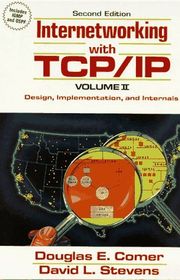
For programmers who want to examine protocol design through working source code. Comer connects implementation choices with the architecture of a stack, though the historical code and systems context make it a study text rather than a modern deployment guide.
What it's about
Douglas E. Comer and David L. Stevens examine the design and implementation of a working TCP/IP stack. Source code illustrates protocol behavior, interactions among components, and engineering decisions involving addressing, routing, transport, and network management.
Network Warrior
For readers who know basic networking and want a practical infrastructure companion. Donahue connects equipment and operational decisions with field experience, though the Cisco emphasis and aging configurations make it broader and more vendor-specific than a protocol reference.
What it's about
Gary A. Donahue examines practical network infrastructure, including switching, routing, firewalls, address allocation, and service configuration. The second edition uses Cisco equipment examples and field experience to connect certification-level concepts with operational problems and design decisions.
TCP/IP Illustrated, Volume 2: The Implementation
For programmers who want to connect protocol explanations with real implementation code. The close reading of a working stack gives unusual depth, though it assumes C fluency and studies historical BSD rather than a current Linux kernel.
What it's about
Gary R. Wright and W. Richard Stevens explain the TCP/IP implementation in 4.4BSD-Lite through source code and illustrations. The volume connects sockets, protocol processing, routing, and transport behavior with the details of a working networking stack.
TCP/IP Network Administration
For administrators who want protocol theory connected with configuring network services. Hunt covers practical tasks more directly than the architectural texts, though many commands, packages, and security examples reflect older Unix systems and need current documentation.
What it's about
Craig Hunt explains TCP/IP fundamentals alongside the setup and operation of Unix-based networks. Chapters examine addressing, routing, network interfaces, name services, servers, troubleshooting, and security, combining conceptual explanations with configuration examples and command references.
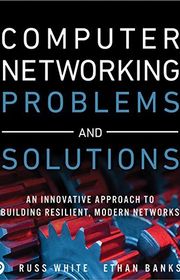
Computer Networking Problems and Solutions
For readers who want to understand why network designs solve recurring problems. White and Banks compare approaches across protocols and architectures, though the conceptual breadth makes this a demanding companion rather than a detailed TCP-only tutorial.
What it's about
Russ White and Ethan Banks organize networking around problems shared by protocols and systems. They examine data transport, topology and reachability, and network architectures, explaining alternative solutions and the tradeoffs behind designs used in contemporary networks.
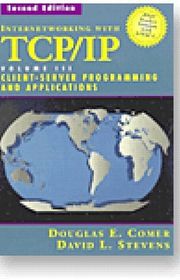
Internetworking with TCP/IP, Volume III: Client-Server Programming and Applications, BSD Socket Version
For programmers who want to use TCP/IP through client-server software rather than inspect kernel internals. Its comparative server designs explain enduring choices, though the BSD-specific edition and historical examples require adaptation to current systems.
What it's about
Douglas E. Comer and David L. Stevens introduce client-server programming through the BSD sockets interface. Working examples examine client and server designs, concurrency, and remote procedure calls, connecting network APIs with the architecture of distributed applications.
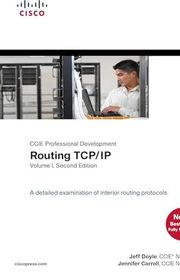
Routing TCP/IP, Volume 1
For network engineers ready to study interior routing protocols in depth. The configuration and troubleshooting examples give routing a practical focus, though the Cisco-specific material and older edition need supplementing for current platforms and features.
What it's about
Jeff Doyle and Jennifer Carroll explain IP interior gateway protocols through theory, configuration examples, and troubleshooting. The second edition examines routing behavior and Cisco implementations, providing a detailed reference for engineers studying how routers exchange and use reachability information.
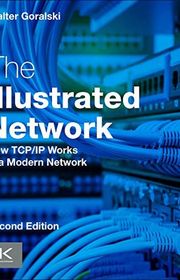
The Illustrated Network
For readers who learn by following a complete working network. The repeated configuration and diagnostic traces connect protocols across layers, though the substantial scope and older equipment examples make this more demanding than a brief introduction.
What it's about
Walter Goralski explains TCP/IP through a working configuration of servers, routers, and workstations. Diagrams, screenshots, and diagnostic traces follow network activity across layers, connecting protocol behavior with the components and services that make a network function.

For readers who want a broad illustrated reference they can consult by topic. The diagrams and integrated coverage help connect unfamiliar protocols, though its size and publication era make it a reference to supplement rather than a current operations manual.
What it's about
Charles M. Kozierok surveys the TCP/IP protocol suite through hundreds of illustrations and tables. The reference covers networking fundamentals, core protocols, and Internet applications, integrating IPv6 with discussions of addressing, routing, transport, configuration, and related technologies.
Sources
- 1
Top 3 Books to Learn TCP/IP, UDP and Computer Networking Protocols - Best of Lot
javarevisited.blogspot.com
- 2
Recommended Books - www.ipSpace.net
ipspace.net
- 3
Books On Computer Networking
cs.purdue.edu
- 4
TCP/IP protocols
savetz.com
- 5
Tcp Ip Books
goodreads.com
- 6
Good books on TCP?
reddit.com
- 7
Picked up some networking books to sharpen my knowledge. What order should I read them?
reddit.com
- 8
Computer Books About TCP/IP (System Administration Guide: IP Services)
docs.oracle.com









Edited by
Software engineer whose passion for tracking book recommendations from podcasts inspired the creation of MRB.
Lead investor at 3one4 Capital whose startup expertise and love for books helped shape MRB and its growth.
Comments
Spotted a missing book, a wrong order or a mistake? Tell us and we'll fix this page.
We're a reading guide, not the author or publisher, so we can't send books or pass on messages.