
24 Best Fiction Writing Books
The best fiction writing books, ranked by how many expert sources recommend each one, with notes on who they suit, from first drafts to detailed revision.
Our take
Fiction-writing books help with different stages of the work. Some offer encouragement and routines for getting a draft onto the page. Others concentrate on sentences, character, structure, or revision. Memoirs and collections of writers’ reflections can provide perspective without supplying a course. Choosing a book that addresses your current difficulty makes it easier to turn reading into actual writing.
Bird by Bird and On Writing combine practical advice with personal experience. Steering The Craft asks you to experiment with prose, while The Art of Fiction gives narrative technique a more demanding examination. For planning, consider Plot & Structure, Structuring Your Novel, or the character-centered process in Story Genius. Once you have a draft, Self-Editing for Fiction Writers and Stein On Writing offer ways to assess it. Writing Down the Bones and Zen in the Art of Writing focus more on sustaining a creative practice. Start with the next task in your own manuscript, then try the exercises before adding another guide.
24 books · 13 sources · Last updated
As an Amazon Associate, we earn from qualifying purchases (at no extra cost to you).
How to choose from this list
Skip to the full rankingIf you need help beginning and persisting: Bird by Bird → On Writing
If you want to work closely on prose: Steering The Craft → The Art of Fiction
If you want a clearer plot framework: Plot & Structure → Structuring Your Novel
If you want stronger character motivation: Getting Into Character → Story Genius
If you have a draft to revise: Self-Editing for Fiction Writers → Stein On Writing
If you want a steadier creative practice: Writing Down the Bones → Zen in the Art of Writing
The 24 books, ranked
Ranked by how many expert sources name each book. Ties go to the book more people recommend.

For readers who want craft advice connected with a working novelist’s life. King makes habits, revision, and persistence feel concrete, though the memoir occupies substantial space and his preferred process will not suit every writer.
What it's about
King combines memories of childhood, early publication, and personal setbacks with practical advice about storytelling and revision. He considers the tools and habits of a writer's work, including the role writing played in recovering from his near-fatal accident.
Also recommended by
4 people Jason Calacanis recommended this book
Jason Calacanis
"Got me jazzed up about writing and reading more." - Jason Calacanis
Jason Calacanis's recommendation of this book  Brian Koppelman recommended this book
Brian Koppelman
"Still the gold standard." - Brian Koppelman
Brian Koppelman's recommendation of this book  Edgar Wright recommended this book
Edgar Wright
Edgar Wright recommended this book on Twitter.
Edgar Wright's recommendation of this book  Russell Moore recommended this book
Russell Moore
"Really helpful." - Russell Moore
Russell Moore's recommendation of this book

The Elements of Style
For writers who want a compact reference on economy, usage, and clear presentation. Strunk and White offer memorable principles that are easy to revisit, though some prescriptions reflect older preferences rather than universal rules for fiction.
What it's about
William Strunk Jr.’s concise writing guide presents principles for clearer prose alongside rules of usage and composition. It addresses common errors, word choice, and unnecessary language, offering a compact reference for writers seeking greater precision and economy.
Also recommended by
3 people Tobi Lütke recommended this book
Tobi Lütke
"[My] most frequently gifted book is [this book] because I like good writing." - Tobi Lütke
Tobi Lütke's recommendation of this book  Kara Swisher recommended this book
Kara Swisher
"I reread it every year. It’s a great book." - Kara Swisher
Kara Swisher's recommendation of this book  Bill Nye recommended this book
Bill Nye
"This is my guide. I accept that I’ll never write anything as good as the introductory essay by [the author]. It’s brilliant." - Bill Nye
Bill Nye's recommendation of this book

For writers who need help beginning, persisting, and tolerating an imperfect draft. Lamott makes the emotional side of writing unusually approachable, though the personal stories offer less systematic instruction on plot or scene mechanics.
What it's about
A modern classic on writing and life, filled with practical advice on how to tackle large tasks by breaking them down into small, manageable pieces. Lamott shares stories from her own creative struggles, offering encouragement to anyone who battles perfectionism or writer's block.
Also recommended by
10 people Tim Ferriss recommended this book
Tim Ferriss
"Fantastic book." - Tim Ferriss
Tim Ferriss's recommendation of this book  Daniel Pink recommended this book
Daniel Pink
"One of the greatest things ever." - Daniel Pink
Daniel Pink's recommendation of this book  Susan Cain recommended this book
Susan Cain
"I love [this book]. Such a good book." - Susan Cain
Susan Cain's recommendation of this book  Ryan Holiday recommended this book
Ryan Holiday
"Ostensibly about the art of writing, but really it too is about life and how to tackle the problems, temptations and opportunities life throws at us." - Ryan Holiday
Ryan Holiday's recommendation of this book  Matt Mullenweg recommended this book
Matt Mullenweg
"I love reading about writers and the process of writing." - Matt Mullenweg
Matt Mullenweg's recommendation of this book  Ramit Sethi recommended this book
Ramit Sethi
Ramit Sethi mentioned this book on "The Tim Ferriss Show" podcast.
Ramit Sethi's recommendation of this book +4
More recommendations
- Brian Koppelman
"Great." - Brian Koppelman
- Mark Bittman
"A really great writing book and it’s a good read." - Mark Bittman
- Mike Birbiglia
"I really like [this book]." - Mike Birbiglia
- Matt Haig
"My go-to gift or recommendation for anyone interested in writing, though it is as much a treatise on life as it is a creative-writing primer." - Matt Haig
- Brian Koppelman

For fiction writers who want to examine clarity and unnecessary wording at sentence level. Zinsser’s readable discussion offers useful habits, though the examples and larger organizational advice concentrate on nonfiction rather than inventing characters and plots.
What it's about
William Zinsser offers guidance on writing nonfiction with clarity and effective structure. He addresses common problems in style and wording, then applies his principles to interviews, travel, science, sports, criticism, and other forms of nonfiction.
Also recommended by
4 people- Tim Ferriss recommended this book
Tim Ferriss
"I have read this book more than a dozen times, more often for thinking than for writing." - Tim Ferriss
Tim Ferriss's recommendation of this book - Matt Mullenweg recommended this book
Matt Mullenweg
"I love reading about writers and the process of writing." - Matt Mullenweg
Matt Mullenweg's recommendation of this book  Derek Sivers recommended this book
Derek Sivers
"Great blunt advice about writing better non-fiction. So inspiring." - Derek Sivers
Derek Sivers's recommendation of this book  Jodie Cook recommended this book
Jodie Cook
"A fascinating exploration of writing for different genres." - Jodie Cook
Jodie Cook's recommendation of this book

The Writing Life
For readers who want a candid meditation on the demands and uncertainty of writing. Dillard’s images and stories illuminate artistic attention, though the reflective, sometimes severe tone supplies little of the step-by-step guidance a beginner may need.
What it's about
Annie Dillard reflects on the creative process through experiences from her own writing life. She examines inspiration, determination and the sacrifices involved in making art, using stories and metaphors to explore the demands and uncertainties of a writer's work.
Also recommended by
2 people Patrick O'Shaughnessy recommended this book
Patrick O'Shaughnessy
"My favorite book about writing." - Patrick O'Shaughnessy
Patrick O'Shaughnessy's recommendation of this book - Russell Moore recommended this book
Russell Moore
"If you're one of those people gifted to writing, this will give you motivation." - Russell Moore
Russell Moore's recommendation of this book

For writers who want a novel’s external events anchored in a protagonist’s internal struggle. Cron provides a detailed development process, though the extensive prewriting and scientific framing may feel restrictive beside a more exploratory drafting method.
What it's about
Lisa Cron presents a scene-by-scene method for developing a novel around a protagonist's internal struggle. Exercises guide writers from an initial idea to a detailed blueprint, connecting events, motivations, and emotional stakes before drafting the manuscript.

For readers who want enthusiasm and personal reflection from a prolific storyteller. Bradbury makes writing feel connected to curiosity and lived experience, though the essays inspire more readily than they provide a structured course in technique.
What it's about
Eleven essays draw on Bradbury's experiences writing stories, novels, plays, poetry, and scripts. He discusses inspiration, enthusiasm, and the pleasure of creation, describing the habits and discoveries that shaped his working life rather than prescribing a technical writing system.
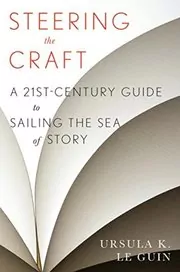
For writers who learn by experimenting with sound, viewpoint, and sentence choices. Le Guin’s exercises make close attention to prose central, though the book asks for active practice rather than providing a complete blueprint for a novel.
What it's about
A practical guide to fiction writing that breaks craft into usable parts, from sound and syntax to point of view, with exercises all along the way.

For writers who want a short prompt to learn from influences and keep making work. Kleon’s visual format makes it easy to browse for encouragement, though it offers little detailed instruction in fictional scenes, characters, or prose.
What it's about
Austin Kleon offers ten lessons for developing a creative practice, beginning with learning from influences. His illustrated guide encourages making things, pursuing side projects, sharing work, and shaping a distinctive voice through everyday habits.
Also recommended by
1 person Chase Jarvis recommended this book
Chase Jarvis
"Super small, fast read." - Chase Jarvis
Chase Jarvis's recommendation of this book

Plot & Structure
Techniques and Exercises for Crafting a Plot That Grips Readers from Start to Finish
For writers who want plot development explained through practical choices and exercises. Bell gives beginnings, middles, and endings a usable structure, though the emphasis on narrative drive is more suited to some genres than deliberately quiet or experimental fiction.
What it's about
This fiction-writing guide explains how plot and structure work together, with techniques for beginnings, middles, and endings. Diagrams, exercises, examples, and checklists help writers develop story ideas and repair common problems in their manuscripts.
Also recommended by
1 person Donald Miller recommended this book
Donald Miller
Donald Miller recommended this book on Twitter.
Donald Miller's recommendation of this book

For writers who want short exercises that help them notice details and put words down regularly. Goldberg combines practice with a contemplative outlook, though the freewriting emphasis provides less help with shaping and revising a finished story.
What it's about
Natalie Goldberg combines writing exercises with reflections informed by Zen practice. Her short chapters encourage attention to everyday experience, trust in first thoughts, and regular practice, addressing the doubts and habits that can prevent writers from getting words onto paper.
Also recommended by
1 person- Tim Ferriss recommended this book
Tim Ferriss
"A great book." - Tim Ferriss
Tim Ferriss's recommendation of this book

For novelists who want another route into motivation, behavior, and emotional credibility. Collins adapts acting techniques into writing exercises, though translating performance concepts onto the page may feel less direct than a conventional character-development guide.
What it's about
Collins adapts ideas from method acting into a practical guide for novelists. The book focuses on seven techniques for creating characters who feel vivid, motivated, and emotionally real on the page.

How to Write Best Selling Fiction
For readers interested in a successful novelist’s early practical account of commercial storytelling. Koontz emphasizes momentum and workable craft, though the out-of-print book can be difficult to obtain and its publishing assumptions belong to an earlier period.
What it's about
A practical, no-nonsense guide from Koontz’s early career, focused on plotting, pace, character, and the habits that help you finish drafts. It’s less about theory and more about craft you can apply on the next page.

Save the Cat! Writes a Novel
For beginners who need a visible plan for a full-length story. Brody's beat sheet makes plot structure easier to diagnose than the memoirs here, though following its timing too rigidly can make a novel feel formulaic.
What it's about
Jessica Brody adapts Blake Snyder's screenwriting method for novelists, explaining fifteen plot beats and ten story genres. Examples and structural tools help writers connect character development with a story's progression from opening image to finale.

For writers with a draft who want to identify problems in dialogue, viewpoint, and narrative presentation. Renni Browne and Dave King make revision concrete through examples and exercises, though applying every preference rigidly can flatten a distinctive voice.
What it's about
Renni Browne and Dave King teach writers to apply professional editing techniques to their own fiction. Explanations, examples, and exercises address dialogue, point of view, narrative presentation, and voice, helping authors identify weaknesses and revise promising manuscripts.
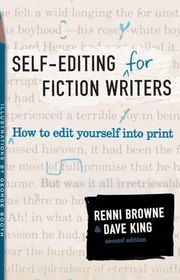
Self-Editing for Fiction Writers: How to Edit Yourself Into Print
For writers with a draft ready for close revision. Browne and King make dialogue, viewpoint, and narrative distance concrete through examples and exercises, though this focus on execution offers less help with inventing the overall plot.
What it's about
Renni Browne and Dave King explain how writers can apply editorial techniques to their own fiction. The revised second edition addresses dialogue, exposition, point of view, interior monologue, and other craft choices through examples and exercises.

Stein On Writing
For writers who want an editor’s perspective on making prose and scenes more engaging. Stein offers concrete diagnostic techniques across fiction and nonfiction, though his strong preferences and selected examples should be tested against the effect you want.
What it's about
Sol Stein offers practical techniques for creating and revising fiction and nonfiction. Drawing on his experience as an editor and teacher, he examines characterization, conflict, and reader engagement, explaining how writers can diagnose flaws and strengthen their work.

For writers who want a clear model for arranging major events and strengthening scene progression. Weiland makes structural choices easy to discuss, though applying the model mechanically can force a story into a shape it does not need.
What it's about
K. M. Weiland examines story and scene structure as foundations for a novel's pacing and progression. The guide explains how to place major events, recognize structural weaknesses, strengthen a sagging middle, and shape questions that keep readers engaged.
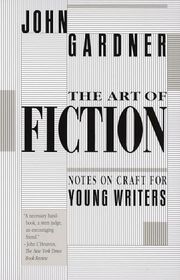
The Art of Fiction
For writers ready to study narrative technique and the effects prose creates in a reader’s mind. Gardner combines close analysis with exercises, though the demanding explanations and strongly stated literary preferences make it less inviting as a first encouragement book.
What it's about
Gardner examines the craft of fiction through discussions of narrative, sentence construction, character, and common technical problems. Examples and exercises connect broader ideas about literary art with the decisions a writer makes while composing and revising prose.

For writers who need prompts when emotional reactions become repetitive or vague. Angela Ackerman and Becca Puglisi provide a convenient reference, though selecting gestures from a list can produce stock responses unless grounded in the particular character and scene.
What it's about
Puglisi and Angela Ackerman organize emotional expression into a reference for fiction writers. Entries suggest body language, thoughts and internal sensations at different intensities, while accompanying guidance addresses repetition and other difficulties in depicting characters' feelings.

For writers trying to understand their own habits and an editor's perspective. Lerner connects creative anxieties with publishing realities more directly than the exercise books, though it won't supply a stepwise plan for drafting a novel.
What it's about
Editor and literary agent Betsy Lerner explores the emotional life of writers and the workings of publishing. Her advice addresses creative habits, stalled projects, self-promotion and the difficult relationship between artistic ambition and commercial expectations.

For readers who want to compare how many different writers think about their work. Arana’s anthology offers a wider range of voices than a single-author memoir, though the short reflections do not form a continuous fiction-writing course.
What it's about
Arana gathers essays from more than fifty writers originally published in the Washington Post's column. Contributors describe discovering their vocation, working habits, frustrations and rewards, with introductory biographies framing their reflections on the creative process.

Writing the Breakout Novel
Winning Advice from a Top Agent and His Best-Selling Client
For novelists who want to reconsider stakes, characterization, and the reach of a premise. Maass offers an agent’s perspective on strengthening a manuscript, though the commercial emphasis cannot guarantee sales or fit every literary ambition.
What it's about
Literary agent Maass examines elements shared by commercially successful novels across genres. Examples and techniques address distinctive premises, vivid settings, memorable characters, interconnected subplots, broad themes and sustained tension, helping writers reconsider the construction of their fiction.

The Kick-Ass Writer
1001 Ways to Write Great Fiction, Get Published, and Earn Your Audience
For writers who prefer blunt prompts and short bursts of practical advice. Wendig spans craft and building an audience more broadly than the quieter memoirs, though the profanity and list format can become tiring.
What it's about
A big, funny craft guide about writing good fiction, building a career, and not losing your mind along the way. Wendig mixes hard-earned advice with a lot of straight talk.
Sources
- 1
The 12 Best Books on Writing I’ve Ever Read
jerryjenkins.com
- 2
25 Best Books on Writing Fiction
prowritingaid.com
- 3
34 of the Best Books on Writing
thewritelife.com
- 4
Essential Books for Writers
centerforfiction.org
- 5
The best books to help you write your novel
penguin.co.uk
- 6
The 40 Best Books About Writing: A Reading List for Authors
reedsy.com
- 7
Best Books on Writing Fiction (165 books)
goodreads.com
- 8
Best "classic" books on writing?
reddit.com
- 9
Give me writing books to learn how to write properly. I want to take writing stories seriously
reddit.com
- 10
Over 70 of the Best Books for Writers (2026)
thewritepractice.com
- 11
23 Best Books for Learning to Write Fiction
writersedit.com
- 12
Best Books on the Craft of Writing and Editing Fiction
goodreads.com
- 13
100 Best Fiction Writing Books of All Time
shortform.com





Edited by
Software engineer whose passion for tracking book recommendations from podcasts inspired the creation of MRB.
Lead investor at 3one4 Capital whose startup expertise and love for books helped shape MRB and its growth.
Comments
Did we miss something? Have feedback?
Help us improve this page by sharing your thoughts