
20 Best Magic Books
The best magic books, ranked by how many expert sources recommend each one, with notes on beginner courses, card tricks, mentalism, and performing.
Our take
Learning magic means more than finding out how a trick works. A convincing performance depends on clear handling, practice, timing, and knowing what an audience will notice. These books cover that range, from first tricks with familiar objects to specialist card work, coin magic, mentalism, and the construction of a complete act.
Mark Wilson's Complete Course in Magic and Magic: The Complete Course offer broad introductions. The Royal Road to Card Magic provides a focused progression with a deck, while Modern Coin Magic rewards readers who prefer working with coins. Once you have material you can perform reliably, Strong Magic, Maximum Entertainment, and Scripting Magic help you improve how it reaches an audience. Several classics use older language and examples, so expect to adapt their presentation. Start with one beginner course and practice a small repertoire before moving into specialist methods or performance theory.
20 books · 8 sources · Last updated
As an Amazon Associate, we earn from qualifying purchases (at no extra cost to you).
How to choose from this list
Skip to the full rankingIf you're new to magic: Mark Wilson's Complete Course in Magic
If you want to learn card magic: The Royal Road to Card Magic → Expert Card Technique
If you want to work with coins: Modern Coin Magic
If you want to learn mentalism: 13 Steps to Mentalism → Practical Mental Magic
If you want stronger performances: Strong Magic → Scripting Magic → Maximum Entertainment
The 20 books, ranked
Ranked by how many expert sources name each book. Ties go to the book more people recommend.

The Royal Road to Card Magic
For beginners seeking an inexpensive, progressive route into card sleights and routines. It builds skills through tricks that use them, though the older illustrations and prose may need supplementing with demonstrations of difficult moves.
What it's about
Jean Hugard and Frederick Braue introduce card magic through illustrated explanations of shuffles, cuts, forces, flourishes, and other sleights. The techniques lead into a repertoire of more than one hundred tricks, allowing beginners to build skills through progressively demanding effects.

For beginners who want precise instruction in card handling from the ground up. Giobbi supplies useful detail and checkpoints, though progress requires repeated practice and this volume starts a much larger course.
What it's about
The first Card College volume establishes terminology and fundamental card handling before introducing core sleights. Roberto Giobbi explains shuffles, controls, forces, false cuts, and the double lift through detailed instruction and drawings, laying a foundation for further study.
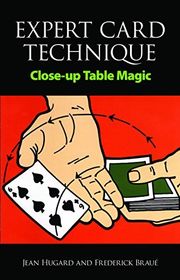
Expert Card Technique: Close-Up Table Magic
For card magicians who have outgrown an introductory course and want a deeper technical reference. Its concentration on handling supports more demanding work, though the dense descriptions assume patience and an existing foundation.
What it's about
Jean Hugard and Frederick Braue explain advanced methods for close-up card magic, including controls, shuffles, palms, and routines. Technical instruction is paired with discussion of presentation, giving experienced readers material for developing a more extensive repertoire.

Mark Wilson's Complete Course in Magic
For beginners who want to try several kinds of magic before specializing. Its illustrated breadth provides a substantial first repertoire, though the older presentation style needs adapting to your own personality and audience.
What it's about
Mark Wilson presents an illustrated course in learning and performing magic, moving from basic card tricks to more advanced illusions. Step-by-step techniques are accompanied by advice on planning and staging a show, helping readers assemble and present a varied repertoire.

For readers who want to specialize in coin work. Its range of foundational sleights makes it a useful long-term reference, though learning small movements from older drawings takes patience and careful practice.
What it's about
J. B. Bobo collects practical methods for coin conjuring, combining traditional techniques with later innovations. Instructions describe sleights and tricks drawn from his own work and that of other magicians, emphasizing effects that can be performed without elaborate stage apparatus.

The Expert at the Card Table
For card enthusiasts ready to study demanding manipulation in detail. Its compact explanations reward close analysis and repeated practice, though the older terminology and difficulty make it a poor first book for most beginners.
What it's about
S. W. Erdnase examines card manipulation as practiced by gamblers and conjurers. Detailed explanations and illustrations describe sleights, deceptive handling, and magical effects, presenting the methods and principles behind skilled work with a deck of cards.

13 Steps to Mentalism
For performers ready to concentrate on mentalism. Its structured survey provides a broader grounding than a collection of isolated mind-reading effects, though the dated language and presentation ideas require thoughtful updating for current audiences.
What it's about
Corinda explains the methods behind mentalism through thirteen sections covering predictions, memory demonstrations, blindfold work, billets, book tests, and other effects. Alongside practical routines, he discusses presentation, patter, publicity, and the skills needed to perform convincingly.

For committed students who want an extensive reference across magical disciplines. The multi-volume format supports years of exploration, though its scale, older conventions, and varied apparatus make it a large first investment.
What it's about
Harlan Tarbell's eight-volume course brings together lessons in close-up magic, mentalism, and stage performance. Explanations of methods and routines form a broad training collection, introducing a range of magical disciplines through a sustained sequence of lessons.

For newcomers who prefer photographs and an approachable introduction to varied tricks. Its emphasis on presentation helps readers move toward performing, though specialists will soon want deeper instruction in their chosen branch.
What it's about
Joshua Jay teaches more than one hundred magic effects through photographs and practical instructions. Alongside sleights and methods, he explains direction, timing, and emotional engagement, showing how presentation helps transform a technically successful trick into a convincing magical experience.

Maximum Entertainment
For magicians who already have tricks but need a more convincing show. Its attention to staging and performance decisions makes it especially useful for working acts, though it is not a course in secret methods.
What it's about
Ken Weber examines the performance decisions that shape a magic or mentalism show, including timing, presentation, sound, lighting, and music. His advice focuses on developing stagecraft and arranging the details of a performance to strengthen its effect on an audience.

For close-up performers seeking unusual ideas with everyday objects. Harris encourages a playful approach beyond standard card exercises, though this first volume is a repertoire collection rather than a carefully graded beginner course.
What it's about
Paul Harris combines close-up magic routines with reflections on the experience of astonishment. This first volume gathers card, coin, and everyday-object effects, including revised earlier material, new creations, and contributions from fellow magicians.
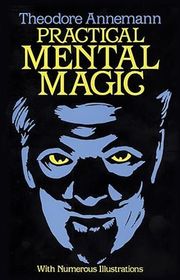
Practical Mental Magic
For mentalists seeking a collection of practical effects to study and adapt. Its range complements the structured lessons in Corinda, though dated presentation styles and uneven difficulty make it better for selective exploration.
What it's about
Theodore Annemann collects mentalism effects involving predictions, thought reading, cards, and other demonstrations. Detailed methods give performers a reservoir of routines to adapt, with an emphasis on producing convincing effects through practical rather than elaborate means.

Strong Magic
For close-up magicians who want stronger audience reactions from material they already perform. Its detailed presentation theory helps diagnose weak routines, though it demands reflection and rehearsal rather than offering quick new tricks.
What it's about
Darwin Ortiz examines how close-up magicians can make their performances more engaging and convincing. Using concrete examples, he explores showmanship, presentation, and audience reactions, connecting the execution of a routine with the experience it creates for spectators.

Scripting Magic
For magicians who struggle to decide what to say during a routine. Worked scripts and performance thinking offer a practical alternative to improvising every line, though adapting the material requires developing your own voice.
What it's about
Pete McCabe shows magicians how to write and revise scripts that give their performances clearer structure and stronger presentation. Examples and contributions from experienced performers explore how spoken words, character, and dramatic choices can support a magic routine.

The Magic Way
For experienced magicians who want spectators to stop explaining away an effect. Tamariz connects routine construction with audience reasoning, though readers need practical experience to turn the theory into convincing performances.
What it's about
Juan Tamariz explores how magicians can make effects more convincing by anticipating and eliminating spectators' explanations. His theory of false solutions is applied to practical routines, showing how method and presentation work together to preserve the experience of impossibility.

For readers interested in the life and self-image of an influential stage magician. The personal voice offers something technical manuals cannot, though its colorful recollections and colonial perspective need a critical reading.
What it's about
Robert-Houdin recounts his training, career, travels, and performances as a magician in this autobiography. His narrative follows appearances before European audiences and courts, and includes his account of a mission to Algeria involving demonstrations of his art.

For performers interested in the principles behind a coherent magic act. Its theatrical perspective adds depth beyond individual methods, though the period language and stage conventions make it slower reading than newer performance guides.
What it's about
David Devant and Nevil Maskelyne discuss magic as a performing art, examining presentation, rehearsal, patter, character, and the construction of an act. Their account considers how individual tricks and transitions can be shaped into a coherent experience for an audience.

The Amateur Magicians Handbook
For beginners interested in disciplined sleight of hand and the thinking behind performance. Its substantial instruction rewards sustained study, though the older prose and illustrations are less immediately inviting than a modern photographic course.
What it's about
Henry Hay introduces conjuring through sleight of hand, mental methods, and apparatus-based effects. Lessons cover cards, coins, balls, and other props, combining practical techniques with attention to the performer's approach and the preparation needed for a successful magic show.

For visual learners who want a drawn breakdown of basic sleight of hand. Its close attention to movements helps with physical practice, though the older style and sustained drills may frustrate readers seeking instant tricks.
What it's about
Bill Tarr teaches sleight of hand through step-by-step instructions and detailed drawings. Lessons use ordinary cards, coins, balls, and rope to explain basic manipulations and classic effects, guiding beginners from simple moves toward more demanding routines.

The Complete Idiot's Guide to Magic Tricks
For casual beginners who want a friendly introduction to tricks and performing. Its accessible approach makes the subject less intimidating, though the broad coverage offers less technical depth than a dedicated card or coin course.
What it's about
Tom Ogden introduces magic tricks and the skills needed to present them effectively. Practical instruction covers working with familiar props such as cards and coins, while advice on polishing an act helps beginners turn individual tricks into entertaining performances.
Sources
- 1
10 Books Every Magician Should Read
vanishingincmagic.com
- 2
10 Magic Books Every Magician Should Read
blog.magicshop.co.uk
- 3
100 Books Every Magician Should Read (Don't Learn Magic Anywhere Else)
thedailymagician.com
- 4
What are the best magic books for beginners?
lybrary.com
- 5
Conjuring Books
goodreads.com
- 6
Beginner Advice
reddit.com
- 7
Recommended Resources for Beginners in Card Magic
reddit.com
- 8
Best Magic Books for Beginners: Part 1
johnconstantine.co.uk




Edited by
Software engineer whose passion for tracking book recommendations from podcasts inspired the creation of MRB.
Lead investor at 3one4 Capital whose startup expertise and love for books helped shape MRB and its growth.
Comments
Spotted a missing book, a wrong order or a mistake? Tell us and we'll fix this page.
We're a reading guide, not the author or publisher, so we can't send books or pass on messages.