
19 Best Kurt Vonnegut Books
The best Kurt Vonnegut books, ranked by how many expert sources recommend each one, with notes on his novels, stories, essays, and the right place to start.
Our take
Kurt Vonnegut uses plain sentences, strange inventions, and dark jokes to ask how people can remain decent in a destructive world. War, technology, money, and the need for belonging recur throughout his work. Some books travel through space or imagine humanity’s distant future; others stay close to American towns, institutions, and family life. His humor can be welcoming even when the implications are bleak.
Slaughterhouse-Five brings wartime experience together with a fractured sense of time. Cat's Cradle is a compact satire of science and belief, while Mother Night concentrates on guilt and the roles people perform. For a broader speculative adventure, try The Sirens of Titan. The later novels often become more openly digressive, and Letters or A Man Without a Country offer his voice outside fiction. Recurring characters connect some books, but the novels stand alone. Start with Slaughterhouse-Five or Cat's Cradle, then follow whichever balance of social satire and invention appeals to you.
19 books · 8 sources · Last updated
As an Amazon Associate, we earn from qualifying purchases (at no extra cost to you).
Reading Kurt Vonnegut in order? See all Kurt Vonnegut books in order
How to choose from this list
Skip to the full rankingIf you’re new to Vonnegut: Slaughterhouse-Five → Cat's Cradle
If you want moral ambiguity: Mother Night
If you like speculative social satire: The Sirens of Titan → Player Piano
If you prefer short fiction: Welcome to the Monkey House → While Mortals Sleep
If you want his nonfiction voice: A Man Without a Country → Letters
If you’re ready for formal experiments: Breakfast of Champions → Timequake
The 19 books, ranked
Ranked by how many expert sources name each book. Ties go to the book more people recommend.
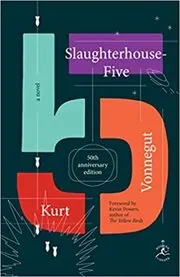
For newcomers who want Vonnegut’s humor and grief working together at their strongest. The fractured treatment of wartime trauma gives its science fiction emotional weight, though the shifting chronology resists a conventional narrative.
What it's about
Billy Pilgrim becomes "unstuck in time," flashing between his boyhood, his World War II captivity in Dresden, his suburban American life, and an alien zoo on Tralfamadore. The novel blends trauma, absurdity, and fatalism into a fierce, strangely tender anti war story.
Also recommended by
3 people Alexis Ohanian recommended this book
Alexis Ohanian
"ONE OF MY FAVORITE BOOKS." - Alexis Ohanian
Alexis Ohanian's recommendation of this book  Ryan Shea recommended this book
Ryan Shea
Ryan Shea recommended this book on his website.
Ryan Shea's recommendation of this book  Jack Edwards recommended this book
Jack Edwards
"About [the author's] own experience of being a prisoner of war in Dresden." - Jack Edwards
Jack Edwards's recommendation of this book
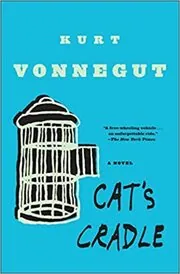
For readers who enjoy compact satire about science, religion, and collective foolishness. Its brisk chapters make the ideas easier to enter than the sprawling later novels, though the comic surface carries a deeply bleak outlook.
What it's about
A writer researching the day the atomic bomb fell is drawn into the strange legacy of scientist Felix Hoenikker and his deadly invention, ice nine. The trail leads to a Caribbean island, an outlaw religion, and an apocalyptic joke about science, faith, and human folly.
Also recommended by
1 person Ev Williams recommended this book
Ev Williams
On the "books read" section of Ev Williams' GoodReads profile.
Ev Williams's recommendation of this book
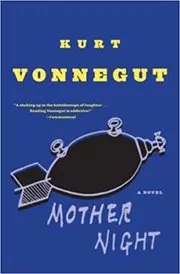
Mother Night
For readers interested in complicity, performance, and moral responsibility. The comparatively restrained structure keeps the ethical questions sharper than the cosmic satires, though the narrator’s self-justification demands suspicion rather than easy sympathy.
What it's about
Told as the prison memoirs of Howard W. Campbell Jr., an American who became a notorious Nazi broadcaster and secret Allied spy, this novel probes how far a person can hide behind a role. It is a dark, uneasy story about guilt, self deception, and responsibility.
Also recommended by
1 person Derek Sivers recommended this book
Derek Sivers
Derek Sivers recommended this book in the "Tools of Titans" book.
Derek Sivers's recommendation of this book
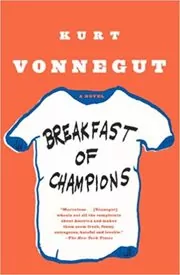
For readers ready for an intrusive narrator, drawings, and open attacks on American habits. Its formal play is more confrontational than the earlier novels, though crude language and deliberate disruption can overwhelm the story.
What it's about
Car dealer Dwayne Hoover is sliding into madness when he meets obscure science fiction writer Kilgore Trout at an arts festival in a dying midwestern town. Their collision, narrated by an intrusive author figure, becomes a chaotic send up of advertising, racism, free will, and the stories a country tells itself.
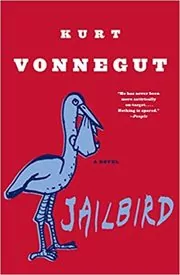
For readers interested in American labor history and failed political ideals. Its Watergate-adjacent narrator brings the satire closer to recognizable institutions than the space novels, though the historical digressions and rambling structure slow its movement.
What it's about
Walter F. Starbuck, a minor figure in the Watergate scandal, leaves a minimum security prison and wanders through New York City, crossing paths with old comrades and enemies. His rambling memoir touches on labor history, corporate power, and the gap between political ideals and how people actually live.
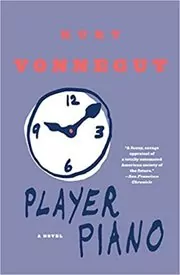
For readers interested in automation, work, and the social cost of efficiency. The more conventional early structure makes its dystopia accessible, though the sustained technical and institutional detail lacks the brevity of Vonnegut’s later voice.
What it's about
In a near future America where machines do nearly all the work, engineer Paul Proteus enjoys elite status while the displaced majority languishes in company housing. Torn between comfort and conscience, he drifts toward a half serious rebellion that exposes how automation can hollow out purpose as well as jobs.
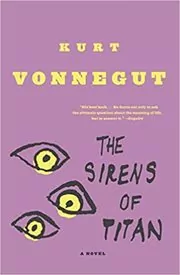
For readers who want the most expansive space adventure among these satires. The cosmic scale gives questions of purpose and free will an imaginative setting, though the elaborate machinery can distance readers from the characters.
What it's about
Malachi Constant, the richest man in America, is swept into a cosmic storyline involving a chrono synclastic infundibulum, a Martian army, and a stranded alien messenger on Titan. This far ranging satire turns questions about free will and the purpose of history into a strange interplanetary adventure.
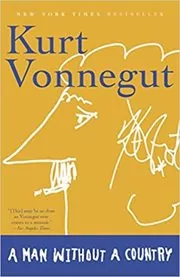
A Man Without a Country
For readers who want direct access to Vonnegut’s late political and humanist views. The short pieces are easier to sample than the novels, though the topical anger and recurring observations offer less narrative complexity.
What it's about
In these late life sketches, essays, and squibs, Vonnegut writes directly about politics, technology, aging, writing, and what he still loves about America. The tone swings from bitter to playful, but always comes back to basic decency, dark jokes, and the value of paying attention.
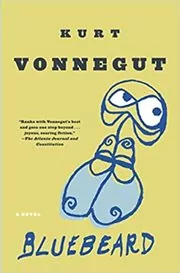
For readers who want a reflective novel about art, memory, and survival. The painter’s perspective gives its arguments about creativity a personal grounding, though the retrospective storytelling develops more slowly than the sharper early satires.
What it's about
Retired abstract painter Rabo Karabekian is cajoled by an intrusive houseguest into writing his life story and revealing the secret locked in his potato barn. As he looks back on war, art, and lost loves, the novel becomes a wry meditation on failure, memory, and what counts as "real" painting.
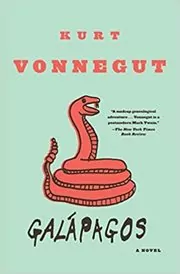
For readers who like evolution used as a framework for social satire. Its immense future perspective gives human intelligence a stranger treatment than the political novels, though the detached narrator and forewarnings reduce conventional suspense.
What it's about
Narrated by a ghost a million years in the future, this novel follows a misfit group of people stranded on a Galapagos island after a global collapse. Their descendants slowly evolve into sleek, seal like creatures, and Vonnegut uses the long view to poke fun at big brains and human self importance.
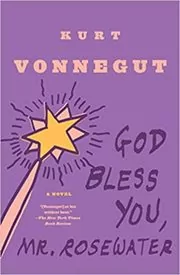
For readers drawn to wealth, charity, and the dignity of overlooked people. Eliot Rosewater gives Vonnegut’s humanism a warmer center than the apocalyptic novels, though the loose plot matters less than its moral argument.
What it's about
Millionaire Eliot Rosewater moves to a run down Indiana town and starts giving away his fortune to anyone who asks, horrifying his family and delighting the people he helps. As a greedy lawyer schemes to prove him insane, the book skewers wealth, charity, and American notions of success.
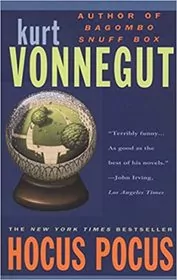
Hocus Pocus
For readers who like fragmented accounts of class, war, and institutional failure. Its prison-and-college setting concentrates Vonnegut’s American social criticism, though the deliberately scattered presentation requires patience with repeated observations and abrupt changes.
What it's about
Eugene Debs Hartke, a Vietnam veteran and college professor turned prison teacher, is accused of masterminding a massive breakout at a privately run prison. Jotting notes on scrap paper, he tells a fractured story about war, class, race, and a divided America obsessed with winning and losing.
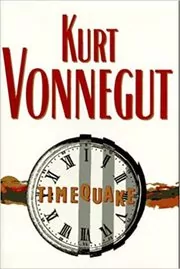
Timequake
For established fans who enjoy Vonnegut’s digressions as much as his fiction. The mixture of memoir and an abandoned novel exposes his conversational voice, though readers expecting a fully developed time-travel story may feel shortchanged.
What it's about
A cosmic glitch snaps the world back to 1991 and forces everyone to relive the next ten years exactly as before, without free will. When normal time resumes in 2001, only Kilgore Trout feels capable of rallying people out of their daze, while Vonnegut folds in memories, jokes, and laments about his own life.
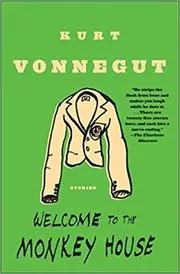
For readers who want to sample Vonnegut without committing to a novel. The range of speculative and realist stories reveals different sides of his craft, though the collection is less unified than his strongest longer works.
What it's about
This collection gathers some of Vonnegut's best known short stories, including the title tale about state enforced numbness and the classic "Harrison Bergeron." The pieces roam from science fiction to small town realism, always circling questions of freedom, dignity, and what makes a life meaningful.
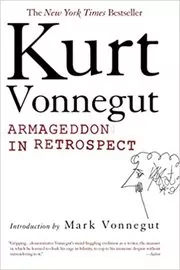
Armageddon in Retrospect
For readers interested in the war experiences behind Vonnegut’s fiction. Combining testimony with stories gives the antiwar outlook a more immediate setting than the cosmic satires, though the posthumous selection has an uneven, miscellaneous shape.
What it's about
Published after his death, this volume collects stories and essays about war, including a moving letter home describing the firebombing of Dresden. It mixes grim satire with firsthand testimony, offering a concentrated look at the experiences and convictions that shaped Vonnegut's anti war stance.
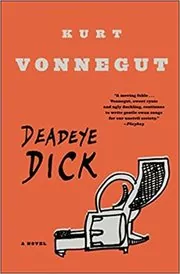
For readers interested in guilt that persists through an ordinary life. The personal scale makes responsibility more intimate than in the sweeping apocalyptic novels, though the flat narration and digressive episodes can blunt emotional engagement.
What it's about
Rudy Waltz accidentally kills a pregnant woman with a high powered rifle when he is twelve and spends the rest of his life in the shadow of that act. Told in a flat, rueful voice, the book drifts through midwestern life, nuclear disaster, and the absurd weight of an unforgivable mistake.
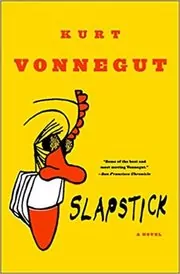
For readers willing to follow bizarre invention toward questions of loneliness and belonging. Its imagined family system gives the satire a distinctive emotional concern, though grotesque characters and episodic events make it an uneven introduction.
What it's about
Written as the memoir of aging President Wilbur Swain, this story follows freakish twins who are separated, a collapsing America, and a scheme to end loneliness by assigning everyone vast new families. It is a messy, mournful comedy about siblings, grief, and the human hunger for belonging.
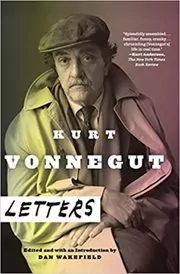
Letters
For established readers curious about Vonnegut’s working life and private voice. The correspondence offers more personal immediacy than the essays, though scattered occasions and incomplete context make it less coherent than a continuous biography.
What it's about
This collection gathers Vonnegut's letters from his youth through his final years, including wartime dispatches, notes to editors, and cranky, funny exchanges with friends. Read together, they trace his development as a writer, father, and citizen in his own unpolished voice.
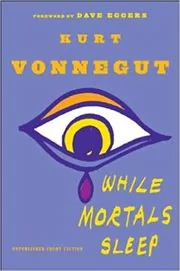
For readers who want more of Vonnegut’s early, relatively conventional storytelling. These previously unpublished pieces emphasize everyday choices and ordinary people, though the posthumous collection offers less of the distinctive experimental voice found in his major novels.
What it's about
Another posthumous collection, this book gathers mostly unpublished magazine era stories about salesmen, inventors, holiday contests, and stubborn dreamers. The pieces show how closely Vonnegut watched ordinary jobs and marriages, and how quickly he could turn a simple premise into a moral tangle.
Sources
- 1
Where to start reading Kurt Vonnegut’s books
penguin.co.uk
- 2
The 10 Best Kurt Vonnegut Books
publishersweekly.com
- 3
12 Best Kurt Vonnegut Books, Ranked By Reading Order
reedsy.com
- 4
Vonnegut's Best (37 books)
goodreads.com
- 5
Kurt Vonnegut
penguinrandomhouse.com
- 6
The 29 Best Kurt Vonnegut Books [Everyone Should Read]
chattersource.com
- 7
Ranking Books
reddit.com
- 8
I read all 14 of Kurt Vonnegut's novels for the first time in 2025. This is my formal "First Impression Power Rankings"
reddit.com







Edited by
Software engineer whose passion for tracking book recommendations from podcasts inspired the creation of MRB.
Lead investor at 3one4 Capital whose startup expertise and love for books helped shape MRB and its growth.
Comments
Did we miss something? Have feedback?
Help us improve this page by sharing your thoughts