
10 Best Introvert Books
The best introvert books, ranked by how many expert sources recommend each one, with notes on self-understanding, relationships, work and where to start.
Our take
Introversion can shape how you approach social activity, concentration and time alone. Books on the subject range from explanations of temperament to practical guidance for relationships, workplaces and running a business. They can help quieter readers describe their needs and help partners, parents or colleagues understand them. Introversion is different from shyness, anxiety or high sensitivity, even when those experiences overlap in one person's life.
Quiet examines the cultural preference for outgoing behavior, while The Introvert Advantage offers suggestions across everyday situations. The Awakened Introvert puts more emphasis on practices and exercises. For a specific goal, Quiet Influence addresses professional communication and Introverts in Love concentrates on romantic relationships. Quiet Power brings the discussion into the world of school and friendship for younger readers. Start with Quiet for the broader picture, or choose the book closest to the situation you want to handle differently.
10 books · 7 sources · Last updated
As an Amazon Associate, we earn from qualifying purchases (at no extra cost to you).
How to choose from this list
Skip to the full rankingIf you want to understand introversion: Quiet → The Introvert Advantage
If you want to protect restorative time: Introvert Power → The Awakened Introvert
If you want to communicate at work: Quiet Influence → The Introvert Entrepreneur
If you want relationship guidance: Introverts in Love
If you're choosing for a young reader: Quiet Power
The 10 books, ranked
Ranked by how many expert sources name each book. Ties go to the book more people recommend.

For readers who want a broad explanation of why quieter temperaments can be undervalued. Cain connects personal stories with cultural expectations, though readers seeking a step-by-step workbook will find more argument and illustration than exercises.
What it's about
Susan Cain argues that cultures favoring extroversion often overlook the strengths of introverts. Drawing on research and individual stories, she examines solitude, listening, creativity, and the contributions quieter people make in work and society.
Also recommended by
6 people Emma Watson recommended this book
Emma Watson
"Discusses how extroverts in our society are bigged up so much, and if you’re anything other than an extrovert you’re made to think there’s something wrong with you. That’s like the story of my life." - Emma Watson
Emma Watson's recommendation of this book  Simon Sinek recommended this book
Simon Sinek
"Affirms to a good many of us who are introverts by nature that we needn’t try to be extroverts if we want to lead." - Simon Sinek
Simon Sinek's recommendation of this book  Tom Peters recommended this book
Tom Peters
"[This book] embarrassed me. It suggests that most of us undervalue introverts and, thus, effectively take a pass on about 40 percent of the population. In particular, introverts tend to be more thoughtful and deliberate." - Tom Peters
Tom Peters's recommendation of this book  Laurie Halse Anderson recommended this book
Laurie Halse Anderson
"I have rarely cried about a book as much as I did this one." - Laurie Halse Anderson
Laurie Halse Anderson's recommendation of this book  Jason Fried recommended this book
Jason Fried
"A good book I'd recommend." - Jason Fried
Jason Fried's recommendation of this book  Jim Kwik recommended this book
Jim Kwik
"Love [this author] and her book." - Jim Kwik
Jim Kwik's recommendation of this book

For readers who want practical suggestions across work, relationships and everyday social demands. Laney's broad coverage makes this a useful general starting point, though some explanations and examples reflect the book's earlier publication period.
What it's about
Marti Olsen Laney explains introverted temperament and the strengths that accompany it. Practical advice covers relationships, parenting, social situations, and work, with strategies for conserving energy and managing environments that favor extroverted behavior.

For readers whose main concern is overstimulation and sensitivity rather than quietness alone. Aron gives those experiences a focused framework, though high sensitivity and introversion are different traits, so some introverts will find it a less direct fit.
What it's about
Elaine Aron explores heightened sensitivity to surroundings and emotional experience. Her guide helps readers understand the trait she studies and consider ways to manage overstimulation, develop self-understanding, and approach daily life with greater confidence.
Also recommended by
2 people Graham Duncan recommended this book
Graham Duncan
Graham Duncan mentioned this book on "The Tim Ferriss Show" podcast.
Graham Duncan's recommendation of this book  Alanis Morissette recommended this book
Alanis Morissette
"Changed my life." - Alanis Morissette
Alanis Morissette's recommendation of this book

For readers who want permission to protect solitude and value an active inner life. Helgoe emphasizes self-understanding more than performance in social settings, though the affirming tone may suit readers seeking recognition better than detailed exercises.
What it's about
Laurie Helgoe explores how introverts can draw strength from reflection, solitude, and an active inner life. She offers ways to protect restorative time, handle social demands, and build routines that fit an inward-focused temperament.
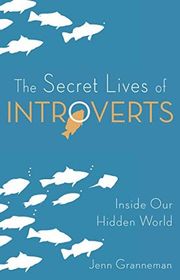
The Secret Lives of Introverts
For readers who want recognizable accounts of introverted life alongside explanations of temperament. Granneman combines personal experience with interviews and research, though the emphasis on understanding and validation offers less structure than an exercise-based guide.
What it's about
Granneman examines introverts' inner lives through personal experience, interviews and research. She discusses relationships, work, social expectations and the need for solitude, helping readers describe their temperament and consider ways to build daily routines around it.
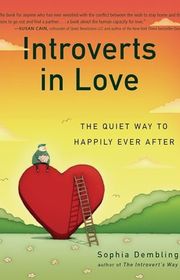
Introverts in Love
For readers whose main questions involve dating and romantic relationships. Dembling focuses on practical situations such as meeting people and negotiating different social needs, though readers seeking wider workplace or family guidance should start elsewhere.
What it's about
Dembling explores dating and romantic relationships from an introvert's perspective. The guide discusses meeting potential partners, conversation, compatibility and relationships with extroverts, offering ways to navigate romance while recognizing a need for quieter connection and personal space.

For professionals who want to influence decisions without adopting a louder persona. Kahnweiler turns preparation, listening and other quieter strengths into workplace practices, though the examples are less useful for readers primarily concerned with home or dating.
What it's about
Jennifer Kahnweiler shows how introverts can influence others through six characteristic strengths. Workplace examples, exercises, and a self-assessment help readers use their natural approaches to communication, preparation, and relationships more effectively.

For younger readers who want help understanding quietness at school, with friends and at home. The real-life examples make Cain's ideas easier to apply to childhood, though adults seeking workplace detail should choose Quiet instead.
What it's about
Susan Cain adapts her ideas about introversion for children and teenagers. Stories and practical suggestions address school, friendships, activities, and family life, helping young readers recognize their strengths while offering guidance for parents and teachers.

The Awakened Introvert
For introverts who prefer exercises to general reassurance. Kozak brings mindfulness and cognitive tools to worries and energy management, though the practices require repetition and should not be treated as a solution to every source of distress.
What it's about
Arnie Kozak combines mindfulness practices with cognitive behavioral tools for introverts. Exercises address worry, rumination, communication, and energy management, helping readers use quiet reflection while responding more comfortably to the demands of daily life.

The Introvert Entrepreneur
Amplify Your Strengths and Create Success on Your Own Terms
For introverts building a business who want practical ways to handle visibility and networking. Buelow connects temperament with entrepreneurial decisions, though readers looking for a complete business operations manual will need more specialized guidance.
What it's about
Beth Buelow examines entrepreneurship through the strengths and challenges of introversion. Interviews and practical guidance address networking, marketing, leadership, and business growth, helping readers work with their temperament while managing fear and expectations.
Sources
- 1
21 Best Books for Introverts
choosingtherapy.com
- 2
10 Life-Changing Books for Introverts
bookriot.com
- 3
13 Books Every Introvert Should Have on Their List
themuse.com
- 4
Best Introversion Books
goodreads.com
- 5
4 Books Every Introvert and Overthinker Must Read
nextbigideaclub.com
- 6
89 Best Introvert Books of All Time
shortform.com
- 7
Dear Introverts, please recommend some books on self-improvement
reddit.com


Edited by
Software engineer whose passion for tracking book recommendations from podcasts inspired the creation of MRB.
Lead investor at 3one4 Capital whose startup expertise and love for books helped shape MRB and its growth.
Comments
Spotted a missing book, a wrong order or a mistake? Tell us and we'll fix this page.
We're a reading guide, not the author or publisher, so we can't send books or pass on messages.