
26 Best Hypnosis Books
The best hypnosis books, ranked by how many expert sources recommend each one, with notes for curious beginners, self-practice readers, and clinicians.
Our take
Books on hypnosis address several different interests: understanding the research, learning about clinical practice, exploring self-hypnosis, or studying performance techniques. Some are substantial professional references, while others offer scripts, exercises, stories, or one practitioner's approach. The distinction matters because an approachable book of suggestions serves a different purpose from a clinical textbook.
Trancework gives healthcare professionals a broad foundation, and Essentials of Hypnosis offers a shorter orientation. Research handbooks provide more room for theories, evidence, and competing explanations. My Voice Will Go with You introduces Erickson's style through annotated teaching tales, while the casebooks and collected papers invite closer historical study. For general readers, self-hypnosis books describe personal practice; Reality is Plastic concentrates on impromptu hypnosis rather than clinical treatment.
Start by deciding whether you want explanation, professional study, or a simple introduction to self-practice. Choose a current clinical text for professional learning, and read older accounts as particular approaches shaped by their authors and time.
26 books · 9 sources · Last updated
As an Amazon Associate, we earn from qualifying purchases (at no extra cost to you).
How to choose from this list
Skip to the full rankingIf you're curious about self-practice: Instant Self-Hypnosis → A Practical Guide to Self-Hypnosis
If you're a clinician seeking an introduction: Essentials of Hypnosis → Trancework
If you want research and theory: Essentials of Clinical Hypnosis → The Oxford Handbook of Hypnosis
If you're studying Ericksonian communication: My Voice Will Go with You → Taproots → Hypnotic Realities
If you need a clinical reference: Handbook of Clinical Hypnosis → Handbook of Hypnotic Suggestions and Metaphors
If you're interested in impromptu performance: Reality is Plastic
The 26 books, ranked
Ranked by how many expert sources name each book. Ties go to the book more people recommend.

For healthcare professionals who want a broad teaching text connecting research with clinical practice. Its organized coverage offers more foundation than a script collection, though it requires sustained study and edition choice matters for current material.
What it's about
Michael Yapko surveys clinical hypnosis and its applications in medical and psychological treatment. This fifth edition combines research, practical strategies, and discussion of clinical practice, including material on depression and the construction of process-oriented interventions.

For readers interested in impromptu and performance-oriented hypnosis. Jacquin's practical sequence offers a different emphasis from the therapy textbooks, though it doesn't provide the clinical foundation needed to assess or treat health concerns.
What it's about
Anthony Jacquin introduces impromptu hypnosis through practical explanations of his approach. The guide presents techniques for developing hypnotic skills outside formal clinical sessions, drawing on his experience as a hypnotist and trainer.

Hypnotherapy
For readers studying the history of direct, structured hypnotic induction. Elman's teaching examples provide a useful contrast with Ericksonian storytelling, though the older clinical assumptions need context and this isn't a current research overview.
What it's about
Dave Elman draws on his experience teaching hypnosis to doctors and dentists to present practical methods for clinical use. Classroom experiences and explanations describe his approach to hypnotic induction and the application of hypnosis in professional settings.

For readers interested in flexible communication and examples that challenge rigid ideas of trance. Its conversational style is approachable, though the NLP-influenced framework and anecdotal illustrations differ from a research-led account of hypnosis.
What it's about
Psychologist Steven Heller and Terry Steele explore hypnosis through an adaptable approach influenced by Milton Erickson and neurolinguistic programming. Examples and exercises emphasize recognizing individual patterns of perception and responding creatively rather than following rigid therapeutic scripts.

For readers interested in therapeutic storytelling and indirect communication. The annotated tales make Erickson's style easier to encounter than his collected papers, though examples from one practitioner's work aren't a systematic guide to clinical decision-making.
What it's about
Sidney Rosen assembles Milton Erickson's therapeutic teaching stories and explains their context and possible meanings. The tales illustrate Erickson's use of humor, surprise, and indirect communication to encourage people to reconsider familiar problems.

For readers who want to study hypnosis through Bandler and Grinder's NLP framework. The demonstration-based format makes language patterns concrete, though the theoretical claims belong to that approach and differ from a contemporary clinical research survey.
What it's about
John Grinder and Richard Bandler examine hypnosis through the framework of neuro-linguistic programming. They present induction techniques and explore how language, nonverbal responses, rapport, and suggestion can be used within their approach to therapeutic communication.

Handbook of Hypnotic Suggestions and Metaphors
For trained clinicians who want a reference for phrasing suggestions and metaphors. Its application-based organization supports selective consultation, though borrowed language still requires individual judgment and it offers less introductory structure than a teaching textbook.
What it's about
D. Corydon Hammond compiles hypnotic suggestions and metaphors contributed by clinicians for use in therapeutic settings. Organized by applications, the reference includes examples addressing pain, anxiety, self-esteem, and other concerns, with guidance for adapting language.
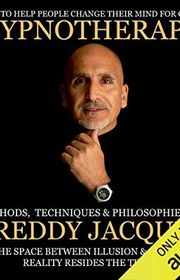
Hypnotherapy
For readers who want a modern practitioner's explanation of his methods and working assumptions. The simple descriptions and examples make the approach accessible, though it centers on Jacquin's own techniques and philosophy rather than surveying the whole field.
What it's about
Freddy Jacquin describes hypnosis methods he has developed and the beliefs behind his approach. Explanations of individual techniques sit alongside examples of their use, presenting his perspective on learning hypnosis and applying it in practice.

For beginners who prefer reading scripts to memorizing an induction. The eyes-open format gives self-practice a simple structure, though the collection's wide range of promises is less carefully differentiated than a focused clinical text.
What it's about
Forbes Robbins Blair presents a method of self-hypnosis performed while reading with the eyes open. Instructions, scripts, and a template for personalized suggestions guide readers through his approach to relaxation, habit change, and personal goals.

Richard Bandler's Guide to Trance-formation
How to Harness the Power of Hypnosis to Ignite Effortless and Lasting Change
For readers interested in Bandler's demonstrations and language-based approach to change. The stories and exercises offer a direct encounter with his style, though the broad promises and NLP framework call for comparison with research-focused texts.
What it's about
Richard Bandler presents his approach to hypnosis and personal change through examples, stories, and exercises. He examines everyday trance states and language patterns, proposing ways readers can reconsider habits, responses, and the possibilities they perceive.

How To Master Self-Hypnosis In A Weekend
The Simple, Systematic and Successful Way to Get Everything You Want
For readers who prefer a short, sequential introduction to self-practice. The guided-session structure is easy to follow, though the weekend timetable and expansive title shouldn't be mistaken for guaranteed results or professional preparation.
What it's about
Rick Smith presents a sequential system for learning self-hypnosis through three guided sessions. Instructions and explanations address preparation, the experience of trance, and ways he proposes applying the practice to relaxation, habits, motivation, and focus.

For readers ready to study Erickson's clinical work through cases and commentary. The detailed examples show an individualized style more closely than a general overview, though they are historically situated accounts rather than universal instructions.
What it's about
Milton Erickson and Ernest Rossi examine therapeutic hypnosis through clinical cases and explanatory commentary. They explore induction, the use of a patient's own experiences and responses, and ways of encouraging and evaluating therapeutic change.

Hypnotic Realities
The Induction of Clinical Hypnosis and Forms of Indirect Suggestion
For readers interested in close analysis of Erickson's induction and indirect suggestion. Transcripts make the communication available for study, though the technical commentary and historical setting make this less convenient as a first introduction.
What it's about
Milton Erickson, Ernest Rossi, and Sheila Rossi present clinical hypnosis sessions with explanations of induction and indirect suggestion. Transcripts and commentary examine how Erickson responds to individual subjects and connects his methods with broader theoretical questions.

For readers who learn from demonstration transcripts and explanations of therapeutic language. The seminar style makes communication patterns easier to examine, though the NLP and Ericksonian framework is narrower than a general clinical training text.
What it's about
John Overdurf and Julie Silverthorn combine Ericksonian techniques with traditional hypnotherapy models. Demonstration transcripts explore induction, hypnotic interviews, metaphoric stories, and posthypnotic suggestion, providing material for therapists and trainers studying therapeutic communication.

Trance And Treatment
For clinicians interested in assessing hypnotic responsiveness and planning interventions. The structured approach gives individual differences more attention than a script collection, though the clinical emphasis and assessment framework assume relevant professional background.
What it's about
Herbert and David Spiegel describe clinical hypnosis with emphasis on systematic assessment through the Hypnotic Induction Profile. Case examples and research discussions examine hypnotizability, treatment planning, practical applications, and the limits of hypnosis.
A Practical Guide to Self-Hypnosis
For readers who want an older, straightforward introduction to self-practice and suggestion. Its step-by-step format gives beginners a manageable entry, though the historical assumptions and broad applications need distinguishing from a current review of evidence.
What it's about
Melvin Powers explains self-hypnosis through suggestion, visualization, conditioning, and repeated practice. His introductory guide considers preparation and ways of forming personal suggestions, presenting self-directed exercises in a sequence intended for readers learning the basic approach.

Close Your Eyes, Get Free
Use Self-Hypnosis to Reduce Stress, Quit Bad Habits, and Achieve Greater Relaxation and Focus
For general readers who want an accessible introduction with exercises for personal practice. Its everyday tone is less technical than the clinical books here, though the broad personal-change framing offers limited depth on research or professional assessment.
What it's about
Grace Smith introduces self-hypnosis through explanations and exercises intended for everyday personal change. She presents techniques for relaxation, focus, confidence, and changing habits, connecting hypnotic practice with meditation and individual goals.
Essentials of Clinical Hypnosis
For clinicians who want an introduction that explicitly connects research with practice. Lynn and Kirsch organize methods within an evidence-focused framework, though the professional emphasis makes this a different choice from a general self-hypnosis manual.
What it's about
Steven Jay Lynn and Irving Kirsch seek to bridge laboratory research and clinical practice in hypnosis. They present clinical strategies and techniques alongside their research foundations, discussing ways to incorporate hypnotic methods into psychological work.

Essentials of Hypnosis
For clinicians who want a shorter orientation before a substantial handbook. Yapko connects session structure with concepts and ethics, though the concise coverage leaves less room for research debates and detailed applications than Trancework.
What it's about
Michael Yapko introduces clinical hypnosis, combining conceptual explanations with guidance on constructing sessions. Topics include responsiveness, induction, suggestion, goal-oriented interventions, sample transcripts, and ethical considerations, with applications involving pain and work with young people.
Handbook of Clinical Hypnosis
For clinicians who want theories, techniques, and professional questions brought together in one reference. Its multi-author structure offers breadth beyond a single practitioner's method, though the substantial coverage assumes familiarity with psychological concepts and clinical work.
What it's about
Edited by Steven Jay Lynn, Judith Rhue, and Irving Kirsch, this handbook surveys foundations, theories, techniques, and clinical applications of hypnosis. The second edition also addresses memory, training, and wider conceptions of hypnosis alongside assessment and professional practice.
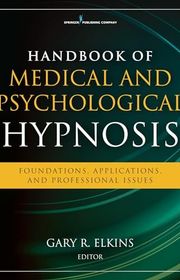
Handbook of Medical and Psychological Hypnosis
For healthcare professionals who want a wide-ranging desk reference across medical and psychological settings. Its coverage connects research, assessment, and professional issues, though the breadth and clinical detail make it unsuitable as a casual self-help introduction.
What it's about
Gary Elkins brings together contributors examining clinical hypnosis in medicine and psychology. The handbook covers theoretical foundations, assessment, professional ethics, and applications, using research discussions, transcripts, and case examples to connect clinical questions with hypnotic practice.
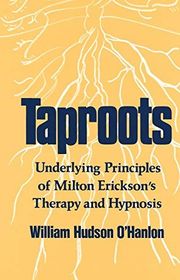
Taproots
For readers who want an organized account of principles behind Erickson's work. O'Hanlon offers a conceptual companion to the story and transcript collections, though the focus remains one therapeutic tradition and assumes interest in clinical communication.
What it's about
Bill O'Hanlon examines underlying principles of Milton Erickson's therapy and hypnosis. The book draws practical patterns from Ericksonian and strategic approaches, offering clinicians a way to think about interventions beyond simply repeating particular stories or scripts.
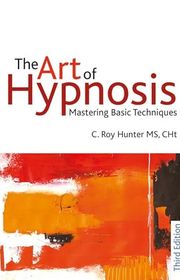
The Art of Hypnosis
For students who want basic techniques organized as a training text. Hunter includes suggestion, induction, testing, and ethical questions, though the Tebbetts-derived approach represents one teaching tradition rather than a comprehensive survey of hypnosis research.
What it's about
C. Roy Hunter presents foundational hypnosis techniques based on Charles Tebbetts's teaching. The guide discusses induction, awakening, deepening, testing, phrasing suggestions, ethics, and self-hypnosis, with attention to adapting an approach to the individual rather than following one fixed sequence.

The Oxford Handbook of Hypnosis
For postgraduate students and researchers who want a substantial account of the field's scientific questions. Its combination of research and clinical chapters supports deeper study, though the academic scope is heavier than a practical beginner's guide.
What it's about
Michael R. Nash and Amanda J. Barnier edit a broad reference on hypnosis theory, research, and practice. Chapters examine the scientific background and clinical applications, combining conceptual discussions with examples intended for researchers, postgraduate students, and clinicians.
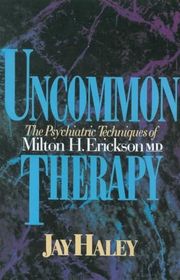
Uncommon Therapy
For readers interested in Erickson's strategic approach through detailed cases. Haley organizes examples around problems across the life cycle, though the narrative case format conveys a practitioner's approach more directly than it evaluates competing explanations.
What it's about
Jay Haley examines Milton Erickson's therapeutic methods through case studies organized around stages of life. The book explores strategic interventions and the use of hypnotic communication, sometimes without formal trance, in responding to people's difficulties and circumstances.

For experienced readers studying Erickson's original contributions across several areas of hypnosis. The four-volume scope makes a substantial historical reference, though the specialist papers and older terminology are demanding and unsuitable as a first practical guide.
What it's about
Edited by Ernest Rossi, this four-volume collection gathers Milton Erickson's papers on hypnosis and psychotherapy. Its topics include suggestion, changes in sensory and perceptual processes, psychodynamic investigations, and innovative approaches to therapeutic practice.
Sources
- 1
The 12 Best Books on Hypnosis and Hypnotherapy (2026) | Freddy Jacquin
freddyjacquinhypnosis.com
- 2
New England Society of Clinical Hypnosis - Clinical Hypnosis Reading List
nesch.org
- 3
Study Hypnosis: The Best Programs, Books, and Ideas | Psychology Today
psychologytoday.com
- 4
100 Best Hypnosis Books of All Time (Updated for 2026)
shortform.com
- 5
Hypnosis Books
goodreads.com
- 6
Looking for book recommendations on hypnosis professional practice
reddit.com
- 7
Any good books on Audible for learning hypnosis?
reddit.com
- 8
10 Hypnosis Books Every Hypnotist Must Read - Mike Mandel Hypnosis
mikemandelhypnosis.com
- 9
11 Best Self Hypnosis Books: Master Your Mind
upjourney.com





Edited by
Software engineer whose passion for tracking book recommendations from podcasts inspired the creation of MRB.
Lead investor at 3one4 Capital whose startup expertise and love for books helped shape MRB and its growth.
Comments
Spotted a missing book, a wrong order or a mistake? Tell us and we'll fix this page.
We're a reading guide, not the author or publisher, so we can't send books or pass on messages.