
10 Best Folklore Books
The best folklore books, ranked by how many expert sources recommend each, with notes for readers choosing traditional tales, cultural context, and analysis.
Our take
Folklore includes the stories, customs, beliefs, and practices that people share and reshape across generations. A collection of tales lets you encounter those narratives directly. A cultural guide explains their settings and uses, while an interpretive study asks what particular patterns might mean. These approaches complement one another, but they are not interchangeable: a medieval literary work differs from a record of living tradition or a modern retelling.
A Treasury of British Folklore offers a broad introduction to customs and legends, and The Book of Yokai places Japanese supernatural beings within a cultural framework. For sustained stories, choose Russian Fairy Tales, Italian Folktales, or the Welsh narratives of The Mabinogion. Sir Gawain and the Green Knight provides a shorter Arthurian encounter, while Le Morte d’Arthur expands the legendary world. Start with a collection from a place or tradition that interests you, then use contextual or interpretive books to ask further questions.
10 books · 7 sources · Last updated
As an Amazon Associate, we earn from qualifying purchases (at no extra cost to you).
How to choose from this list
Skip to the full rankingIf you want an accessible cultural introduction: A Treasury of British Folklore
If you want traditional tale collections: The Complete Grimm's Fairy Tales → Russian Fairy Tales → Italian Folktales
If you want medieval Welsh stories: The Mabinogion
If you want Arthurian literature: Sir Gawain and the Green Knight → Le Morte d'Arthur
If you want Japanese supernatural traditions: The Book of Yokai
If you’re drawn to water legends: Treasury of Folklore Seas and Rivers
The 10 books, ranked
Ranked by how many expert sources name each book. Ties go to the book more people recommend.
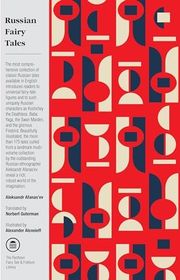
Russian Fairy Tales
For readers who want traditional Russian tales featuring familiar motifs in distinctive local forms. The variety of heroes, household tensions, and supernatural figures supports leisurely exploration, though repeated patterns and older cultural assumptions require some contextual patience.
What it's about
Alexander Afanasyev’s collection brings together Russian folk narratives about clever peasants, princes, magical helpers, dangerous creatures, and difficult journeys. The tales reveal recurring patterns of luck, resourcefulness, family conflict, and encounters with powers beyond ordinary life.
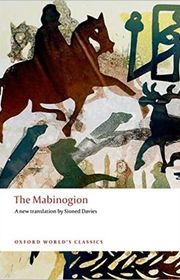
The Mabinogion
For readers who want medieval Welsh tales of transformation, kinship, and extraordinary obligations. The stories open a distinctive legendary world, though abrupt transitions, unfamiliar names, and narrative customs make an annotated translation particularly helpful.
What it's about
This collection of medieval Welsh prose tales brings together rulers, heroes, magical transformations, quests, and encounters with otherworldly powers. Family loyalties and obligations shape narratives that preserve distinctive traditions while also connecting with the wider Arthurian world.
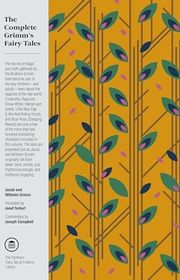
The Complete Grimm's Fairy Tales
For readers who want to encounter a broad collection of influential tales beyond their familiar adaptations. The range invites comparison between recurring motifs, though violence and repetition make it different from a curated children’s storybook.
What it's about
Jacob and Wilhelm Grimm gather fairy tales involving enchanted beings, dangerous bargains, family rivalries, and unexpected transformations. Familiar stories sit alongside less widely known narratives, preserving recurring motifs and moral tensions that have shaped later storytelling.

For readers who want an extensive literary gathering of Arthurian adventures rather than a quick myth handbook. The linked quests reveal competing ideals of loyalty and honor, though the episodic structure and older language require patience.
What it's about
Malory brings together the legends of King Arthur and the Knights of the Round Table. Adventures, enchanted encounters, the Grail quest, and forbidden love test ideals of loyalty and chivalry as betrayal threatens the fellowship and its kingdom.
Also recommended by
1 person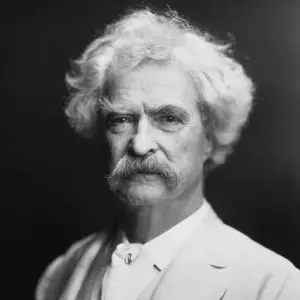 Mark Twain recommended this book
Mark Twain
Mark Twain recommended this book in a letter.
Mark Twain's recommendation of this book

For readers who want an approachable introduction to British customs, beliefs, and local legends. The variety makes it easy to browse by curiosity, though the compact treasury format offers less depth than a dedicated scholarly reference.
What it's about
Dee Dee Chainey collects British customs, superstitions, and legends, exploring how landscape and inherited stories shape culture. Tales of fairy folk, witches, ghostly creatures, and seasonal traditions accompany accounts of festivals and places where folklore remains part of community life.
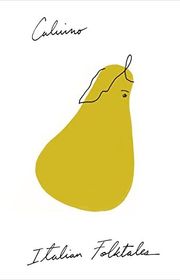
Italian Folktales
For readers who want a wide-ranging tale collection shaped by a novelist’s ear for storytelling. Calvino makes regional variety inviting, though these literary retellings should be distinguished from unedited transcripts of oral performances.
What it's about
Italo Calvino gathers and retells traditional stories from across Italy. Magical journeys, clever bargains, transformations, and ordinary people confronting extraordinary tests reveal regional differences alongside motifs shared with other storytelling traditions, combining narrative variety with attention to local origins.

Sir Gawain and the Green Knight
For readers who want one concentrated medieval encounter with promises, danger, and honor. Armitage’s translation gives the verse an energetic modern voice, though the poem’s unfamiliar customs and layered symbolism reward slower reading.
What it's about
Simon Armitage translates the medieval Arthurian poem about Gawain's encounter with a mysterious Green Knight. After accepting a dangerous wager at Camelot, Gawain undertakes a winter journey that tests his courage, honor, and fidelity to his promises.

For readers who want Japanese supernatural beings placed in cultural and historical context. The combination of creature accounts and interpretation offers more than a monster catalogue, though the discussion is denser than a simple illustrated treasury.
What it's about
Michael Dylan Foster explores the supernatural beings known as yokai in Japanese folklore. Historical and cultural discussion accompanies illustrated accounts of individual creatures, examining how local legends and stories are collected, passed on, and reimagined in popular culture.

For readers interested in a psychoanalytic interpretation of fairy tales and childhood emotions. The sustained close readings offer a distinct theoretical lens, though the arguments should not be treated as settled developmental psychology or universal explanations.
What it's about
Bruno Bettelheim interprets traditional fairy tales through a psychoanalytic account of childhood development. Examining stories such as Hansel and Gretel, The Three Little Pigs, and Sleeping Beauty, he argues that their conflicts help children explore emotions, anxieties, and questions of meaning.

For readers fascinated by water spirits, maritime superstitions, and stories tied to particular places. The thematic arrangement makes connections across traditions easy to explore, though its broad survey provides less context than a collection focused on one culture.
What it's about
Dee Dee Chainey and Willow Winsham explore water folklore from around the world. Illustrated accounts of sailor superstitions, mermaids, selkies, river spirits, ghost ships, and other traditions examine the shared hopes and fears surrounding seas, rivers, and lakes.
Sources
- 1
100 Best Folklore Books of All Time
shortform.com
- 2
Books - Library Research Guide for Folklore and Mythology
guides.library.harvard.edu
- 3
Folklore Books
goodreads.com
- 4
What are some good folklore books?
reddit.com
- 5
12 Best Books about British Folklore, Legends, & Myths
booksandbao.com
- 6
Recommended Folklore Books List
folklorethursday.com
- 7
10 Magical Books About Folklore
bustle.com







Edited by
Software engineer whose passion for tracking book recommendations from podcasts inspired the creation of MRB.
Lead investor at 3one4 Capital whose startup expertise and love for books helped shape MRB and its growth.
Comments
Spotted a missing book, a wrong order or a mistake? Tell us and we'll fix this page.
We're a reading guide, not the author or publisher, so we can't send books or pass on messages.